Bezos’s famous quote isn’t a hustle hack—it’s a blueprint for bold, regret‑proof choices that can also turbo‑charge planet‑first innovation.
It started with a clipped headline floating around business‑meme accounts: “I got rich when I understood this.”
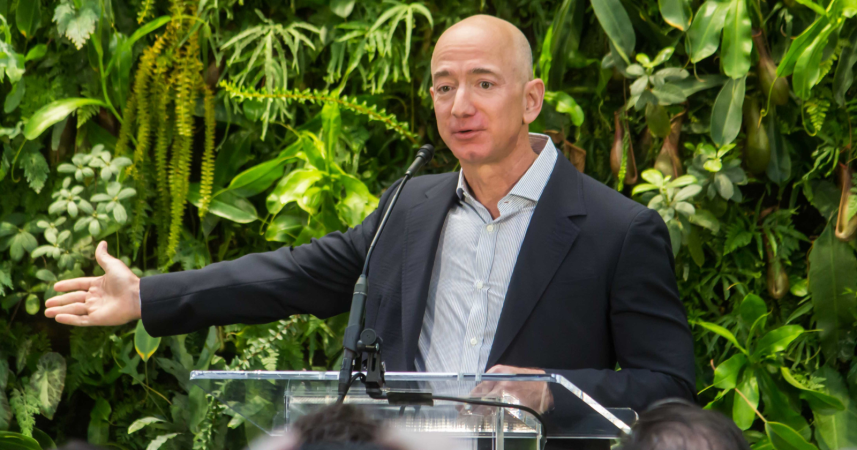
The post shows Jeff Bezos onstage, sleeves rolled, fingers pinched together as if revealing some secret seasoning. Two million likes later, everyone from crypto bros to #GirlBoss TikTokers was parroting the line — usually without context, sometimes with dubious “mind‑hack” overlays.
But the phrase isn’t new. It traces back to a 2025 GoBankingRates explainer that unpacked Bezos’s favorite decision‑making tool: the regret‑minimization framework.
In other words, the Amazon founder didn’t wake up rich because of a single morning routine or productivity hack. He got rich when he learned to make bets that his future self wouldn’t regret—even if they felt risky in the present. That distinction matters for everyone building planet‑first ventures today, from vegan snack start‑ups to climate‑tech accelerators.
Decoding the framework: Why regret minimization beats fear minimization
Bezos coined the framework in 1994 while weighing whether to quit a cushy Wall Street VP gig to sell books online. He projected himself to age 80, asked which path would spark more “what if?” regret, and chose the garage.
The model reframes choices around future emotion rather than present comfort:
-
Time‑travel mentally. Picture yourself decades out.
-
Look back at today’s fork. Which option makes old‑you proud?
- Act to shrink regret—not risk.
Because regret is a stronger psychological driver than fear, the framework often nudges people toward bold, high‑impact action.
It’s the same logic propelling founders to pitch plant‑based cheese to skeptical investors or climate scientists to leave tenured posts for start‑ups.
The pay‑off isn’t guaranteed, but the potential regret of never trying often outweighs the sting of failure.
Day 1 thinking: the companion principle most people miss
Pop‑culture fixation on Bezos’s fortune sometimes eclipses his deeper operating system: “Day 1” mindset.
In a 2016 shareholder letter, he wrote, “Customers are always beautifully, wonderfully dissatisfied… your desire to delight them will drive you to invent on their behalf.”
The takeaway: act like a scrappy start‑up every day, even inside a trillion‑dollar behemoth.
Day 1 complements regret minimization by keeping teams nimble, curious, and customer‑obsessed long after the initial leap.
For sustainability founders, Day 1 means you never assume the oat‑milk latte is good enough — you iterate to cut water use or improve foamability because tomorrow’s eco‑minded consumer will demand it.
Together, the two principles form a loop: regret minimization gets you to jump; Day 1 prevents you from ossifying once you land.
Why Bezos’s decision model matters for the plant‑forward economy
At first glance, the richest man on Earth doesn’t scream “role model” for values‑driven food entrepreneurs. Amazon’s carbon footprint and packaging waste are real critiques.
Yet Bezos’s mental models are tool‑agnostic — they can supercharge missions aimed at planetary health, not just shareholder wealth.
Plant‑based founders routinely face gnarly decisions:
- Should we scale with a co‑packer that uses plastic tubs?
- Do we invest in precision fermentation R&D now or chase short‑term retail velocity?
Regret minimization reframes those calls:
In 20 years, will you wish you’d prioritized compostable packaging, even if margins shrank this quarter? Will you regret skipping deep tech that could slash emissions because it slowed your Series B timeline?
Meanwhile, Day 1 thinking keeps sustainable brands from resting on the laurels of “better than meat.” Yesterday’s oat bar becomes today’s sugar bomb if you stop iterating.
In that sense, Bezos’s framework is a lens that magnifies long‑term, systems‑level wins—exactly what climate progress demands.
From Prime boxes to plant proteins: Bezos is betting his fortune on food systems
Skeptics love pointing out the irony of a space‑tourism mogul funding climate research, yet the numbers are tangible.
In 2024, the Bezos Earth Fund pledged $60 million to launch Centers for Sustainable Protein; by mid‑2025 that figure ballooned to $100 million, including a $30 million grant to North Carolina State University for alt‑protein R&D.
The initiative aims to cut the taste‑price gap between burgers and black‑bean patties — a swing that could yank gigatons of CO₂ from the food chain.
Whether you dub it philanthropic legacy or strategic hedge, the move shows Bezos applying his own advice: identify high‑impact levers early, then invest before the crowd piles in.
Just as Amazon rode the infant internet, the Earth Fund is wagering that sustainable protein will dominate mid‑century dinner plates.
And that matters for our readers because mainstream capital flowing into alt‑protein research accelerates everything from vegan school lunches to mushroom‑based leather.
Five practical ways to use the Bezos mindset in a planet‑first venture
1. Write your 2050 shareholder letter today.
Even if you’re a five‑person kombucha brand, draft a future recap: What climate metrics did you hit? Which packaging breakthrough saved 10 million bottles? Work backward to set road‑map checkpoints. (That’s regret minimization applied to strategy.)
2. Hold quarterly “Day 1 audits.”
Ask teammates: “If we launched this week, which feature, flavor, or policy would we ditch or revamp?” Ruthlessly sunset anything that feels Day 2.
3. Budget for moon‑shots before marketing splurges.
Amazon plowed early profits into AWS, a bet few analysts understood. Likewise, earmark a slice of revenue for lab‑grown scaffolds, mycelium research, or regenerative‑ag contracts—even if TikTok ads would juice short‑term sales faster.
4. Use customer obsession to green your supply chain.
Instead of guessing what eco‑shoppers want, survey them: Would they pay 30 cents extra for a compostable pouch? Let real data drive R&D, not assumptions or vanity metrics.
5. Track “regret proxies” alongside KPIs.
For every OKR, add a column: “Would failing here haunt Future‑Us?” Missing an Instagram‑follower target probably won’t; ignoring mold‑resistant pea varietals that could half your emissions just might. The exercise forces moral imagination into quarterly dashboards.
The wider ripple: how Wall Street, Washington, and Main Street are listening
Bezos’s frameworks have long shaped tech culture, but their migration into climate finance marks a new phase.
Investors now screen alt‑protein start‑ups by asking how founders mitigate future regret — both ethical and financial. Policymakers drafting 2030 emissions targets cite “Day 1 agility” as a requirement for grant recipients.
Even community gardens borrow the language:
- What decisions today will future volunteers thank us for?
- When mental models jump from boardrooms to backyard compost bins, you’ve got cultural shift, not just corporate dogma.
Whether you admire or distrust Bezos, ignoring the spread of his decision playbook means missing a force that increasingly shapes funding flows, talent recruitment, and consumer expectations in the sustainability arena.
From building fortunes to building futures
Jeff Bezos didn’t promise a shortcut to riches; he offered a compass for navigating choices whose payoffs compound over decades.
Understand regret minimization and Day 1, and you grasp why he left Wall Street for an online bookstore, why Amazon still reinvests staggering sums, and why the Bezos Earth Fund is pouring capital into pea protein while the steakhouse lobby yawns.
For founders, activists, and everyday eaters trying to live lighter on the planet, the lesson is less about getting rich and more about getting aligned: act today so that tomorrow’s version of you—and tomorrow’s atmosphere—won’t ask, “Why didn’t we?”
What’s Your Plant-Powered Archetype?
Ever wonder what your everyday habits say about your deeper purpose—and how they ripple out to impact the planet?
This 90-second quiz reveals the plant-powered role you’re here to play, and the tiny shift that makes it even more powerful.
12 fun questions. Instant results. Surprisingly accurate.