After two years of polished video calls with my writing partner, I flew across the country to discover the professional woman in pristine blazers was actually writing in pajama pants from a chaotic Victorian farmhouse filled with chickens—and realizing how wrong I'd been changed everything I thought I knew about success.
Three months ago, I stood at the departure gate at Newark Liberty, clutching my boarding pass like it was a permission slip for an adventure I wasn't quite sure I should be taking. At 70, I've traveled plenty, but this felt different. I was about to fly to Seattle to meet someone I'd been video chatting with for nearly two years—my online writing accountability partner who'd become something between a mentor and a dear friend, though we'd never once breathed the same air.
The thing about screens is they show us exactly what fits in the frame. Nothing more, nothing less. And after hundreds of hours looking at someone through that little window, you start to believe you know them. You fill in the gaps with your imagination, paint the rest of their world with assumptions that feel like facts. I was about to discover just how wrong those painted pictures could be.
The person I thought I was meeting
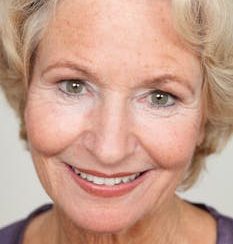
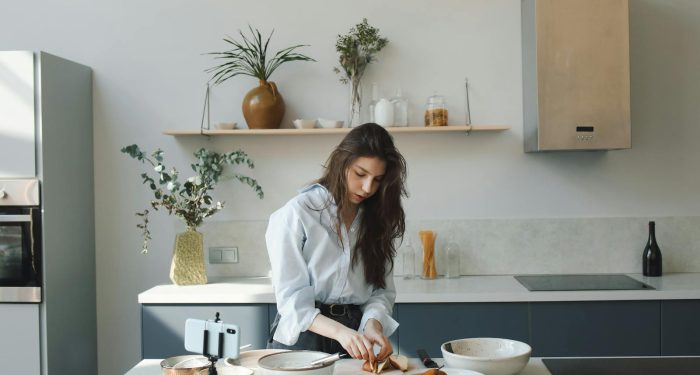
For two years, she'd appeared on my laptop screen every Wednesday afternoon at 3 PM. Always in the same corner of what I assumed was her home office, with built-in bookshelves behind her filled with color-coordinated spines. She wore crisp button-downs, spoke with the measured cadence of someone who'd given corporate presentations for decades, and never once had a hair out of place. When she critiqued my writing, she did it with surgical precision. When she shared her own work, it was polished to a shine before I ever saw it.
I'd constructed an entire life for her based on these glimpses. I pictured her living in one of those pristine Seattle high-rises I'd seen in magazines, probably with a view of the water. I imagined her mornings beginning with yoga and green smoothies, her evenings filled with wine tastings and gallery openings. She struck me as someone who'd never owned a pet because they were too messy, who arranged her closet by season and color, who had her groceries delivered because she couldn't be bothered with the chaos of supermarkets.
Have you ever done this? Built an entire person from fragments? It's like looking at someone's living room through a keyhole and assuming you know what's in their kitchen, their bedroom, their heart.
What the screen never showed me
She picked me up at Sea-Tac in a mud-splattered pickup truck with a bumper sticker that read "My other car is a kayak." The woman who emerged wasn't wearing a button-down but rather faded jeans and a fleece vest over a concert t-shirt from a band I'd never heard of. Her silver hair, always perfectly styled on our calls, was pulled back in a messy bun with what looked like a pencil stuck through it.
"Those video calls?" she laughed when I mentioned her professional appearance. "I keep a blazer on the back of my chair. Takes two seconds to throw on. Below the camera? Usually pajama pants."
The house wasn't a high-rise apartment but a rambling Victorian forty minutes outside the city, complete with chickens in the backyard and what she cheerfully described as "organized chaos" inside. Those pristine bookshelves I'd admired? They were in the only tidy corner of her house, specifically maintained for video calls. The rest of her books were stacked on every available surface, mixed with half-finished art projects and what appeared to be the contents of a hardware store.
But here's what really threw me: this supposedly rigid, perfectionistic writing partner of mine actually wrote her first drafts by hand in composition notebooks—dozens of them scattered throughout her house. She'd wake up at 4 AM not for yoga but to muck out chicken coops before sitting on her porch with coffee to write. The precision I'd seen in her critiques came not from natural perfectionism but from years of fighting against her instinct to be, in her words, "catastrophically disorganized."
Why our assumptions reveal more about us than others
Sitting in her chaotic, beautiful kitchen that first evening, eating takeout Thai food straight from the containers (something I'd never imagined her doing), I had to face an uncomfortable truth. My assumptions about her said far more about me than they ever did about her. I'd projected onto her all the qualities I thought a "serious writer" should have—the discipline I felt I lacked, the organizational skills I'd struggled with since retiring from teaching, the put-together appearance I assumed came naturally to successful people.
In my previous post about finding purpose after retirement, I wrote about the danger of comparing our insides to other people's outsides. But I hadn't realized I was doing exactly that, even with someone I talked to every week. The screen had become a mirror, reflecting back my own insecurities and aspirations.
Virginia Woolf once wrote, "The eyes of others our prisons; their thoughts our cages." But what if we're the ones building those cages, bar by bar, with every assumption we make? What if the prison is of our own construction?
What meeting in person actually taught me
Over those five days in Seattle, I discovered the person I'd been learning from wasn't despite her chaos but because of it. Her feedback was so precise because she'd learned to channel her scattered energy into laser focus when it mattered. Her writing was polished because she gave herself permission to be gloriously messy in the first draft. She'd created systems not to maintain perfection but to work with her natural tendencies rather than against them.
We spent hours talking about things that had never come up on our video calls—her divorce at 45 that led her to buy the Victorian as a project to pour herself into, my late husband's illness and how writing became my lifeline during those dark months, her daughter who'd moved to Japan and mine who still calls every Sunday evening. We walked her property, collected eggs, sat in comfortable silence on her porch watching the rain.
The most profound moment came when she showed me her writing space—not the tidy corner with the bookshelves, but the converted shed in her backyard where she actually worked. Papers everywhere, cups of cold coffee forgotten on various surfaces, Post-it notes covering one entire wall. "This is where the magic happens," she said, and I understood then that magic is rarely tidy.
Final thoughts
I flew home with more than memories. I flew home with permission—permission to be messier in my process, to show up as myself rather than who I think I should be, to trust that the work matters more than the appearance of working. The friend I'd met wasn't the one I'd imagined, and thank goodness for that. She was real and complicated and so much more interesting than the polished character I'd created in my mind.
Sometimes the greatest gift we can give each other is to step out from behind our screens, our carefully curated corners, and show up as our whole, messy, authentic selves. It turns out that's where the real connection lives—not in the frame we present but in everything that spills beyond its borders.
What’s Your Plant-Powered Archetype?
Ever wonder what your everyday habits say about your deeper purpose—and how they ripple out to impact the planet?
This 90-second quiz reveals the plant-powered role you’re here to play, and the tiny shift that makes it even more powerful.
12 fun questions. Instant results. Surprisingly accurate.