The awkward silence, unexpected quirks, and sudden realization that your "perfect" online friend might be a completely different person face-to-face will test everything you thought you knew about your relationship.

Add VegOut to your Google News feed. 
Meeting someone from the internet felt like stepping into a parallel universe where everything was familiar yet completely foreign at the same time.
I'd been chatting with this person for over two years. We'd shared memes at 3 AM, debated the best pasta shapes (they were wrong about fusilli being superior to rigatoni), and even helped each other through career crises. When I finally booked that flight to meet them during my Bangkok years, I thought I was prepared.
I wasn't.
The thing about online friendships is that they exist in this perfect bubble. You control when you respond, how you present yourself, and which parts of your life you share. Meeting in person? That bubble doesn't just pop. It explodes.
Here's what nobody tells you about that first in-person meeting with your internet friend.
1. The first ten seconds will feel like an eternity
You know that moment when you're scanning the coffee shop, looking for someone you've only seen through carefully curated selfies and video calls with perfect lighting?
Your brain goes into overdrive. Is that them? They look different. Not bad different, just... different. Maybe taller, or their voice has a different quality when it's not compressed through your headphones.
I remember standing outside that Bangkok café, watching my friend walk toward me, and my mind just blanked. We'd talked every day for two years, and suddenly I had no idea how to say hello. Do we hug? Handshake? Wave awkwardly?
The weirdest part? You both know it's weird. You can see it in their eyes too. This mutual recognition of "wow, you're a real person" hits differently than you expect.
Those first ten seconds stretch out while your brain recalibrates everything it thought it knew about this person. The good news? Once you push through that initial shock, it usually gets easier.
2. Their mannerisms will throw you off
Online, you don't see how someone fidgets with their coffee cup or notice they talk with their hands like they're conducting an invisible orchestra.
My friend turned out to be a pacer. Couldn't have a serious conversation without walking around. On video calls, they'd seemed so still and focused. In person? Constant motion. It wasn't bad, just unexpected.
These little quirks that would've been endearing if you'd known them from day one suddenly feel jarring. You find yourself cataloging all these new details: the way they laugh is different when it's not through a microphone, they interrupt more (or less) than they did online, or maybe they have this habit of trailing off mid-sentence that somehow never came through in texts.
As psychologist Susan David points out in "Emotional Agility," we often create mental models of people based on limited information, then struggle when reality doesn't match our expectations.
3. Conversation rhythms are completely different
Remember how online you could think about your response, type it out, delete it, rewrite it, then finally hit send?
Yeah, that's gone now.
In-person conversations demand immediate responses. There's no typing indicator to buy you time. No ability to quick Google that reference you want to make. And those comfortable silences you had during video calls? They might feel suffocating when you're sitting across from each other at dinner.
I noticed this hardcore when my friend and I went for street food on our second night. Online, we could multitask during conversations. In person, every pause felt like it needed filling. We actually talked about it later, how we both felt this pressure to be "on" constantly, like we were performing our friendship rather than just being in it.
4. You'll discover deal breakers you never knew existed
This one's rough, but it needs to be said.
Maybe they chew with their mouth open. Perhaps they're rude to service staff (huge red flag, by the way). Or they have this habit of checking their phone mid-conversation that makes you want to throw their device into the Chao Phraya River.
One friend I met turned out to be a chronic over-sharer with strangers. Every taxi driver, every server, every person we met got their entire life story. Online, I'd found their openness refreshing. In person, watching them corner a confused 7-Eleven clerk with tales of their childhood trauma was mortifying.
These aren't necessarily friendship-ending discoveries, but they force you to reassess the relationship in ways you hadn't anticipated.
5. The energy balance might be off
Ever notice how some people seem larger than life online but subdued in person? Or vice versa?
Energy doesn't translate directly from digital to physical spaces. That friend who sends you eighteen voice messages in a row might be surprisingly quiet face-to-face. The one who writes thoughtful paragraph-long responses might talk over you constantly in person.
During my years in hospitality, I learned that people have different energy reserves for different situations. Your online friend might be spending all their social energy on your digital interactions, leaving them drained for in-person meetings. Or they might be conserving energy online and then overwhelming you with their intensity when you meet.
6. Boundaries become incredibly important
When someone's used to having access to you 24/7 through messages, the physical presence can feel invasive if boundaries aren't established.
I had a friend assume that meeting in person meant we'd spend every waking moment together for their entire visit. They'd booked a week. By day three, I was hiding in my apartment, pretending to have food poisoning just to get some alone time.
Online, you can just... not respond for a while. In person, you need actual exit strategies. You need to have conversations about personal space, about needing breaks, about how much togetherness is too much.
These aren't conversations we usually think about having because online friendships naturally have built-in boundaries. The physical separation creates automatic space. Remove that, and you need to consciously rebuild those limits.
7. The friendship might not survive
This is the hardest truth that nobody wants to acknowledge.
Sometimes, amazing online friendships just don't work in person. It's not anyone's fault. The chemistry that sparked through screens might fizzle face-to-face. The person who was your perfect digital companion might be someone you have nothing in common with in the physical world.
I've had online friendships that felt soul-deep until we met, then realized we were better as digital friends. There's grief in that realization. You mourn the friendship you thought you had while trying to figure out if there's something worth salvaging in this new, different dynamic.
8. When it works, it's magic
But here's the thing, and this is important: when it does work, when you push through all the awkwardness and adjustments, it's incredible.
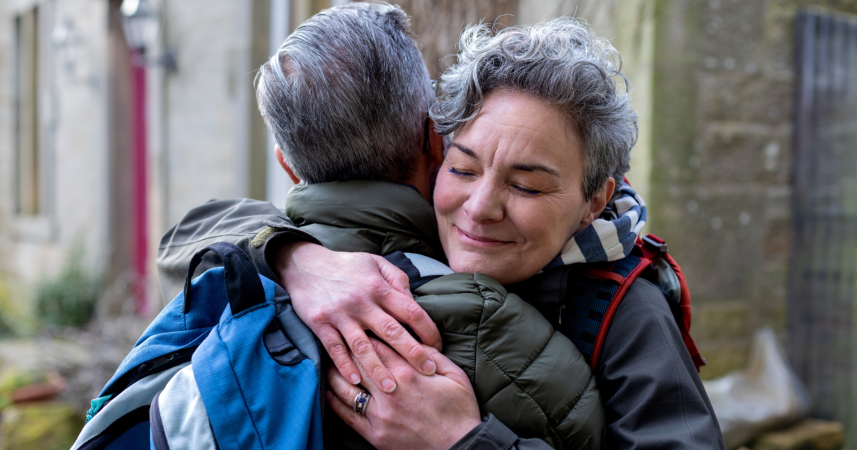
Finally, after all those late-night conversations and shared experiences through screens, you get to create real memories together. You're not just sending food photos; you're arguing over whether to get pad thai or pad see ew from the same vendor. You're not just talking about your lives; you're living moments together.
That friend I met in Bangkok? After we got through the weird adjustment period, we spent an entire day making pasta from scratch in my tiny kitchen, something we'd only talked about online. The flour everywhere, the imperfect shapes, the laughter when we definitely overcooked the first batch. These are memories you can't create through a screen.
Final thoughts
Meeting online friends in person is like translating a book into a movie. Something's always going to be different from how you imagined it. The question isn't whether it'll match your expectations (it won't), but whether you're willing to embrace the new version of your friendship.
My advice? Lower your expectations for perfection and raise your tolerance for awkwardness. Plan for shorter first meetings rather than week-long adventures. Have backup plans and escape routes. Be honest about your needs and boundaries.
Most importantly, give yourself and your friend grace as you navigate this transition. You're essentially rebuilding your friendship from scratch while trying to honor its history. That's not easy.
But when it works? You get the best of both worlds: someone who knows your digital soul and has seen your real-world self, bad table manners and all.