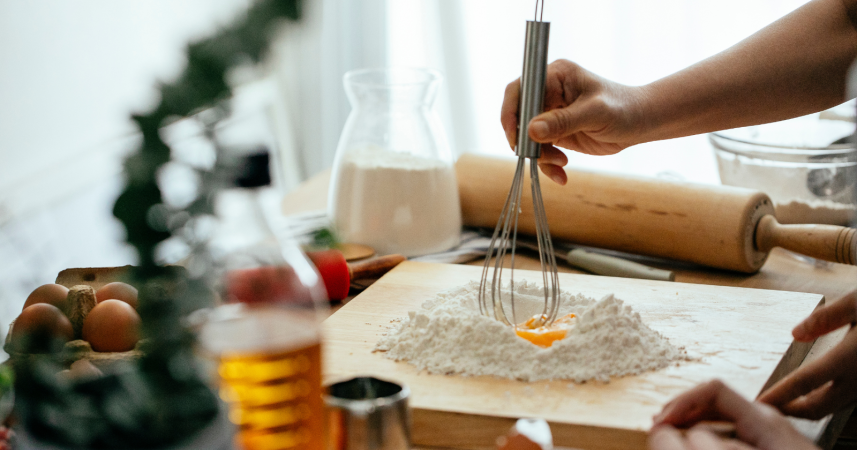
Revive nine time‑tested kitchen habits to cut waste, boost health, and rediscover the joy of cooking in our fast‑forward 2025 lives.
I’d just returned from three months on the road — carry‑on suitcase, laptop, and an ever‑growing collection of spice packets — when I found myself in my grandmother’s New Mexico kitchen.
She was scribbling meal ideas in a dog‑eared notebook, celery leaves drying on the windowsill for soup stock.
In that moment, it struck me: many of the habits that once made home kitchens economical, nourishing, and sustainable have faded in the era of delivery apps and “smart” gadgets.
Yet the data are clear. From soaring grocery prices to the climate cost of wasted food, the way we cook at home matters more than ever.
Below are 9 practical kitchen habits worth reviving this year—each framed by a travel story from my notebooks and grounded in recent research.
1. Map your meals once a week
In Oaxaca, I watched market vendors plan family dinners while tallying pesos on the back of corn‑husks. They bought nothing extra—and never threw anything out.
Why it matters. A 2024 study modeling household diets found that structured weekly meal planning cut food waste by up to 45 percent while keeping nutrition on track.
How to bring it back:
-
Pick a “planning night” (Sunday is classic).
-
Check pantry/freezer first.
-
Plan dishes that cross‑use ingredients (e.g., roast chicken Monday, chicken‑veg soup Wednesday).
-
Shop with a strict list.
2. Practice mise en place—before the heat is on
At a back‑alley cooking class in Lyon, Chef Cloé slammed her palm on the counter: “Knives down until everything is in its place!”
The hour we spent measuring, washing, and chopping meant the coq au vin practically cooked itself.
Why it matters. A 2025 culinary‑science review shows that mise en place improves execution speed by 20 percent and lowers error rates in both professional and home kitchens.
How to bring it back: Lay out bowls for pre‑pped ingredients, prep from “hardest to softest” (onions before herbs), and clear your sink before lighting the burner.
3. Batch‑cook like your Sunday depends on it
While house‑sitting in Copenhagen, I filled the host’s oven with three sheet pans: root‑veg mix, tofu steaks, and granola. Thirty minutes later I had breakfasts and dinners for half the week—plus a lower utility bill.
Why it matters. Recent research on domestic energy efficiency shows that cooking fuller oven loads or large stovetop batches can reduce per‑meal energy use by 15–25%.
Meanwhile, a March 2025 Forbes survey found that bulk cooking is one of the top money‑saving tactics U.S. households plan to adopt this year.
How to bring it back: Choose two proteins, two veggies, and one grain to cook in volume every three–four days. Cool quickly, portion, and refrigerate or freeze.
4. Ferment and pickle for gut and wallet
In Seoul, I tasted kimchi straight from an 80‑year‑old onggi jar. Back home, my mason‑jar kraut only needed salt, cabbage, and four days of patience.
Why it matters. A 2024 randomized controlled trial (the GEEF study) linked a daily serving of fermented foods to significant increases in gut‑microbiome diversity and better immune markers.
How to bring it back: Start with quick pickles (radishes, cucumbers) or a small‑batch sauerkraut. Maintain cleanliness, submerge produce fully, and label the jar with start date and salt ratio.
5. Turn scraps into liquid gold stock
A frugal hostel cook in Helsinki froze onion skins, carrot tops, and chicken bones all week, then simmered them overnight for soup that tasted like Scandinavia in a bowl.
Why it matters. Homemade stock from vegetable trimmings not only diverts perfectly edible nutrients from the trash but also slashes sodium compared with many commercial broths, according to a 2024 culinary‑waste analysis.
How to bring it back: Keep a freezer bag labeled “stock scraps.” When full, dump into a pot, cover with water, add bay leaf and peppercorns, simmer 2–4 hours, strain, and freeze in muffin tins for handy ½‑cup pucks.
6. Build a capsule pantry
Living out of a 45‑liter backpack taught me the joy of minimalism. At home, I extend that philosophy by keeping about 30 staple ingredients that mix and match for hundreds of meals.
Why it matters. Households adopting a “capsule pantry” cut grocery spending by up to 25% and reduce food waste.
How to bring it back. Identify versatile grains (rice, quinoa), proteins (lentils, canned beans), flavor builders (coconut milk, tomato paste), and five herbs/spices you truly use. Buy in bulk where possible and store in transparent jars.
7. Sharpen your knives, avoid the ER
In Osaka’s knife district, an elderly master gave me a 10‑minute tutorial and a water stone. He said a dull blade is an insult to the fish—and to your fingers.
Why it matters. Dull blades slip — sharp ones slice cleanly. Knife injuries send an estimated 350,000 people to U.S. emergency rooms every year, making lacerations the most common kitchen accident.
How to bring it back: Hone before each use, whetstone every few weeks, and test with the “paper trick”: the knife should glide through newsprint without snagging.
8. Compost—because trash cans shouldn’t smell like produce aisles
My Brooklyn sublet came with a humming rooftop tumbler.
Five neighbors fed it coffee grounds and avocado pits — three months later, we harvested soil black as midnight for our fire‑escape herb garden.
Why it matters. The U.S. EPA notes that composting returns nutrients to soil, reduces methane from landfills, and strengthens local ecosystems—benefits multiplied when food scraps are processed close to where they’re generated.
How to bring it back:
City dweller? Try a countertop bokashi bin or community‑drop program.
Suburban? A covered tumbler or classic pile works — balance greens (food scraps) with browns (dry leaves).
9. Revive the neighborhood recipe swap
On a rainy Lisbon evening, a hostel potluck turned strangers into friends when we passed around a grease‑stained notebook for everyone’s family recipes.
I left with five new dishes—and five WhatsApp contacts.
Why it matters. The 2025 World Happiness Report found that people who share meals regularly experience higher life satisfaction and lower negative emotions, with benefits on par with income gains.
Recipe‑sharing groups amplify this effect by creating a sense of collective identity and knowledge exchange.
How to bring it back: Host a monthly “dish & copy” night: each guest brings a favorite recipe and enough food to taste. Photocopy recipes on the spot or snap phone pics.
Conclusion – cook like it’s 2025 (BC: before convenience)
Grandma’s notebook reminded me that sustainability isn’t a gadget — it’s a mindset woven from small, repeatable habits.
Meal planning trims waste, mise en place shrinks stress, batch cooking slashes bills, fermented jars nurture guts, stock pots honor every peel, capsule pantries free time, sharp knives spare fingers, composting feeds soil, and recipe swaps feed souls.
Pick one habit this week, another next month.
By the time 2025’s holiday season rolls around, your kitchen will feel less like a chore station and more like the beating heart of home — exactly as our grandparents intended.
If You Were a Healing Herb, Which Would You Be?
Each herb holds a unique kind of magic — soothing, awakening, grounding, or clarifying.
This 9-question quiz reveals the healing plant that mirrors your energy right now and what it says about your natural rhythm.
✨ Instant results. Deeply insightful.
Maya Flores
Maya Flores is a culinary writer and chef shaped by her family’s multigenerational taquería heritage. She crafts stories that capture the sensory experiences of cooking, exploring food through the lens of tradition and community. When she’s not cooking or writing, Maya loves pottery, hosting dinner gatherings, and exploring local food markets.
More Articles by Maya