Spend less, eat better—tiny systems, smart staples, and built‑in delights that cut costs without killing joy.
We save money the same way we save a good trip: not by cutting all the fun, but by designing the plan so the fun is affordable on repeat.
I think about groceries like I think about carry‑ons — what actually earns its space?
Middle‑class households don’t need extreme couponing or 40‑ingredient recipes; we need small defaults that make dinner cheaper, faster, and still delicious after a long day.
Here are 10 ways to spend less on food without feeling like you’re punishing yourself.
No spreadsheets. No shame. Just habits that pay you back every Tuesday.
1. Set a “capsule pantry” and theme your week
Variety is lovely; chaos is expensive.
Pick 15–20 ingredients you love and actually use (one grain, one bean, one protein, leafy greens, a couple of sturdy veg, eggs or tofu, a sauce rotation).
Then give the week a theme—Mediterranean, Tex‑Mex, Southeast Asian—so herbs and spices overlap.
Result: you finish what you buy, you stop chasing oddball items, and dinner becomes remixable. Monday’s chickpeas are soup, Wednesday they’re smashed on toast, Friday they’re salad protein.
This isn’t boring — it’s fluent. It also kills waste—which is really money going in the bin.
2. Cook once, eat twice (on purpose)
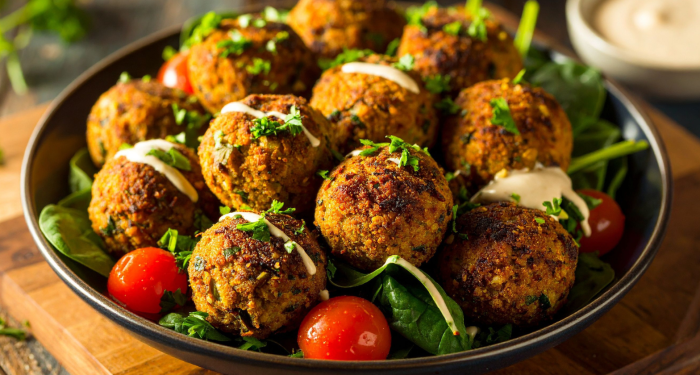
Batch‑cook “building blocks,” not full clones. Make a double tray of roasted veg, an extra pot of rice or quinoa, and a protein base (beans, lentils, tofu, chicken) you can season three ways. Park them in clear containers at eye level.
Night one: bowls with lemon‑tahini.
Night two: tacos with chili‑lime.
Night three: fried rice with the stragglers.
You’re saving money on takeout because the second and third dinners assemble in minutes. You also save your future self from the 6 p.m. spiral.
3. Build a five‑sauce library
Flavor is the cheapest upgrade. Keep five two‑minute sauces on rotation so the same staples never taste the same twice.
-
Chili‑maple soy (soy, maple, chili, splash of vinegar)
-
Lemon‑tahini (tahini, lemon, warm water, cumin)
-
Garlicky yogurt (or coconut yogurt) with lime + paprika
-
Miso‑butter glaze (miso mashed into butter; melt, toss)
-
Herby green (blitz herbs + olive oil + lemon + salt)
Sauces make “cheap” taste like “choice.” They also rescue leftovers from sighs to seconds.
4. Use convenience strategically to prevent the $35 emergency
The rule isn’t “never buy prepped.” It’s “buy the 10% that prevents the 100%.”
Washed greens, cooked lentils, a rotisserie‑adjacent plant protein—if that $3 in convenience stops a $35 delivery when you hit the wall, it’s a win.
Think of it as an ease fund.
You’re not paying to be lazy — you’re paying to make the right choice inevitable on nights when willpower has left the building.
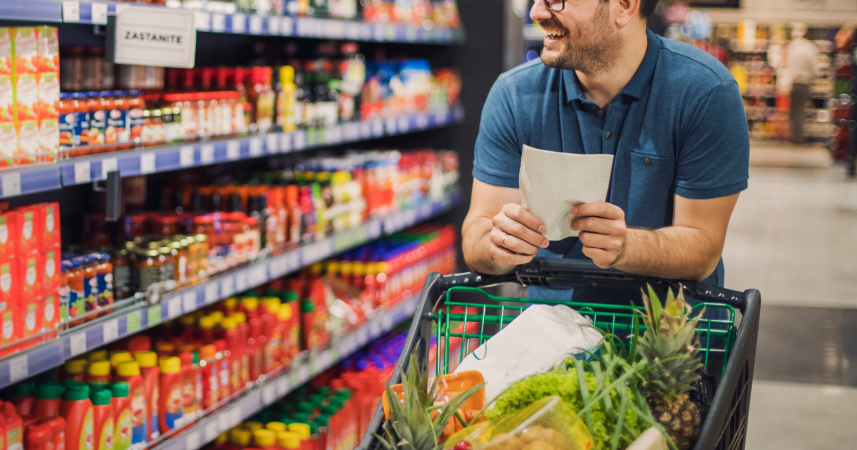
5. Shop like a local: seasonality, global aisle, store brand
Farmers’ markets and seasonal produce taste better and last longer — less waste, more joy.
In regular stores, the “international” aisle is a treasure chest: gochujang, rice noodles, coconut milk, tahini, whole spices—often cheaper and better than wellness‑branded dupes.
Pair that with store brands for basics (beans, oats, canned tomatoes) and unit‑price checks.
If a “deal” requires three extra purchases or a new storage system, it’s not a deal — it’s a hobby.
6. Make your freezer a staging area, not a graveyard
Give the freezer a system: one bin for cooked building blocks (beans, rice, stock, sauce cubes), one for “rescue dinners” (dumplings, veggie burgers, frozen veg), and one for bread ends/tortillas.
Label with masking tape + date.
Flat‑freeze portions in zip bags so they stack like files.
Strategy beats deprivation: on a rough night, you’re ten minutes from dumplings + greens or pasta + sauce cube + peas. That’s the difference between “we caved” and “we ate.”
7. Upgrade the cheap cuts and plant proteins
Beans, lentils, tofu, eggs—these are not consolation prizes. They’re reliable, versatile, and pennies per serving.
Meat can be an accent instead of the main event: a little chorizo crisped into a pot of beans, chicken thigh shredded through a veggie‑heavy soup.
If you eat meat, learn two slow‑cook or pressure‑cook recipes for tougher, cheaper cuts.
Texture and depth do the heavy lifting — your budget quietly exhales.
8. Create “use‑it‑up” rituals that taste intentional
Choose a weekly alchemy night: fried rice, frittata, big salad, quesadillas, or soup.
These formats welcome stragglers—half a pepper, the last broccoli, that awkward bit of cheese—and make them look planned.
Keep a “use‑first” bin in the fridge so the floppy produce stares you down.
Add crunch (nuts, croutons), acid (lemon, pickle juice), and heat (chili crisp) to turn survival meals into something you’d serve friends.
9. Standardize breakfast and lunch; save creativity for dinner
Decision fatigue is a hidden expense. Pick two breakfasts (oats/yogurt; eggs/toast), two lunches (soup/salad; grain bowl/wrap), and rotate.
Prep components on Sunday: washed greens, roasted veg, a pot of grains, jammy eggs, a jar of vinaigrette.
You’ll spend less on midday “I’ll just grab something” and save your cooking spark for the meal people remember.
10. Budget for delight so you don’t rebel later
Deprivation backfires. Give yourself a small, weekly “delight” envelope—a bakery treat, a good cheese, fresh herbs, the fancy chocolate.
When you look forward to little luxuries, you don’t “make it up” by overspending the minute you’re tired or bored.
Also: create a hospitality shelf (sparkling water, olives, crackers, dark chocolate).
When friends drop by, you host without panic or pricey last‑minute buys. Generosity feels rich and somehow makes the rest of the week taste better.
Final thoughts: spend like you want to feel
Travel taught me that locals eat well without theatrics. They build systems, not special occasions: a default market, a pantry that repeats, a few sauces that fix everything.
Saving money on food isn’t about shrinking your life; it’s about shrinking friction.
When dinner is easy and tasty, you don’t outsource it. When your freezer is a plan, not a mystery, you say yes to home. When delight has a line item, you stop raiding the budget out of revenge.
Pick one habit and give it two weeks.
Track how many takeouts you skip, how many minutes you reclaim, and how much calmer 6 p.m. becomes.
That’s not deprivation—that’s design. And design, unlike willpower, works when you’re tired.