Those phrases that seemed limiting at the time were actually teaching us valuable lessons about resourcefulness, patience, and understanding that good things often require planning and sacrifice.
1. "Money doesn't grow on trees"
I must have heard this a thousand times growing up. Every time I asked for the latest video game, wanted name-brand sneakers, or begged to go to the movies with friends, there it was: "Money doesn't grow on trees."
It wasn't said with anger, but with the weight of reality. Our parents weren't being mean – they were being honest about what the family budget could handle.
This phrase taught us early that money was finite. That it came from work, not wishes. That wanting something didn't automatically mean getting it.
Looking back, it was actually valuable training in delayed gratification and understanding value. While other kids might have gotten things on demand, we learned to appreciate what we had and think twice before asking for more.
2. "We have food at home"
Nothing ended a trip to the grocery store faster than asking if we could grab something from the deli or bakery section, only to hear those five dreaded words.
This phrase was the ultimate conversation killer when you spotted friends eating McDonald's or wanted to try that fancy yogurt in the refrigerated section. Your mom would glance at the shopping list, check the cart, and deliver the verdict: "We have food at home."
And technically, she was right. There was food at home. Usually the ingredients to make something perfectly adequate, but rarely the convenient, pre-made, or restaurant-style treats we were craving in the moment.
This wasn't about being cheap – it was about being smart with the grocery budget. Our parents knew that buying lunch meat and bread would feed the family for days, while that rotisserie chicken would be gone in one meal.
The phrase trained us to think ahead and plan meals around what was already in the pantry. It taught us that eating out was a special occasion, not a default solution to hunger.
3. "We can't afford it"
Unlike "money doesn't grow on trees," which had a teaching element to it, this phrase was pure honesty. There was no lesson about saving up or waiting for a special occasion. It was simply the truth: this item, this experience, this want – it wasn't happening.
I remember hearing this about everything from summer camps to brand-name cereals to family vacations. Sometimes it came out frustrated after a long day at work. Other times it was said matter-of-factly, like announcing the weather.
What made this phrase particularly memorable was how it ended conversations immediately. There was no negotiating, no "maybe next time," no false hope. It was final.
As kids, we learned to read the room before even asking. You could sense when money was tighter than usual, when bills had just come in, or when work wasn't going well. Those were definitely not the times to bring up wanting anything extra.
The phrase taught us to be realistic about our family's limitations, even when it stung to hear.
4. "Turn off those lights"
The constant battle cry of parents watching every utility bill like hawks.
You'd walk from the living room to the kitchen and somehow forget to flip the switch, only to hear this phrase echoing through the house moments later. It didn't matter if you were coming right back or just grabbing a glass of water – those lights needed to be off.
Our parents treated electricity like it was liquid gold. Light switches became moral issues. Leaving a room illuminated when nobody was in it wasn't just wasteful, it was practically criminal.
I learned to navigate my house in partial darkness, using hallway lights to see into bedrooms, or keeping just one lamp on instead of overhead lighting. We became experts at timing – turning lights on at the last possible moment and off the second we left.
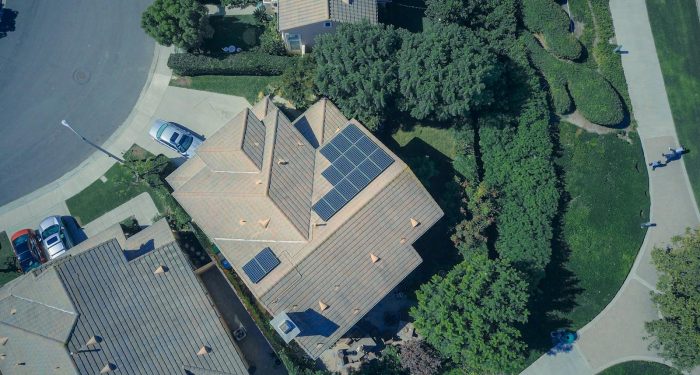
This wasn't about being environmentally conscious, though that was a nice side effect. This was about keeping the electric bill manageable when every extra dollar mattered.
5. "Ask your mom/dad"
The ultimate parental deflection when any request involved spending money or making decisions that affected the family budget.
This phrase created a strategic game of ping-pong between parents. You'd ask Dad for something, and he'd send you to Mom. Mom would inevitably send you back to Dad. Eventually, you'd realize that the back-and-forth wasn't confusion – it was a stalling tactic.
Both parents knew exactly what the other would say, but nobody wanted to be the automatic "no" person. It gave them time to discuss bigger purchases quietly, away from eager ears, and present a united front later.
Sometimes the ping-ponging would go on for days, which was usually a good sign that the answer would eventually be yes. The quick deflections that ended in immediate parental conversations? Those usually meant no.
6. "Maybe for your birthday"
The classic way to acknowledge a want without committing to an immediate purchase.
This phrase bought parents precious time – literally months sometimes – hoping that by the time your birthday or Christmas rolled around, you'd have forgotten about whatever you were begging for in the moment.
Smart parents knew that kid desires had short shelf lives. That action figure you absolutely needed in March might be completely forgotten by June when your birthday actually arrived.
But sometimes we didn't forget. Sometimes we'd bring up that same request weeks later, proving our dedication. Those were the items that might actually make it onto the birthday list, assuming they fit within the gift budget.
The phrase taught us to prioritize our wants and think long-term. If you really wanted something, you had to want it consistently over time, not just in a moment of impulse.
It also made birthdays and Christmas feel more special. These weren't just celebrations – they were the designated times when bigger wishes might actually come true.
7. "Do you think I'm made of money?"
Usually delivered with exasperation after multiple requests in a short period, this phrase signaled that you'd officially crossed the line from asking into pestering.
This was the warning shot that meant you'd better back off before you got into actual trouble. It came out when we'd already been told no but kept pushing, or when we'd made several requests in one shopping trip.
The phrase was particularly effective because it painted a vivid picture. It made us imagine our parents as walking ATMs, dispensing cash on demand, which of course highlighted how ridiculous our constant requests must have seemed.
I learned to space out my asks after hearing this one. There was clearly a limit to how many times you could request things before hitting the parental breaking point.
What struck me later was how this phrase revealed the pressure our parents felt. They wanted to give us things, but they also needed us to understand that resources weren't unlimited. The exasperation wasn't really about us – it was about the frustration of having to say no so often.
The soundtrack of making it work
Looking back, I realize our parents were doing something pretty remarkable. They were raising kids, managing households, and building futures on budgets that required constant creativity and careful choices.
Those phrases that seemed limiting at the time were actually teaching us valuable lessons about resourcefulness, patience, and understanding that good things often require planning and sacrifice.
Do any of these transport you back to your own childhood? Maybe you found yourself nodding along, remembering your own parents saying these exact words in your kitchen or living room.
The funny thing is, I catch myself using some of these phrases now. Not because I have to, but because they represent something important about being thoughtful with resources and appreciating what you have.
That lower-middle class soundtrack taught us lessons that money can't buy.