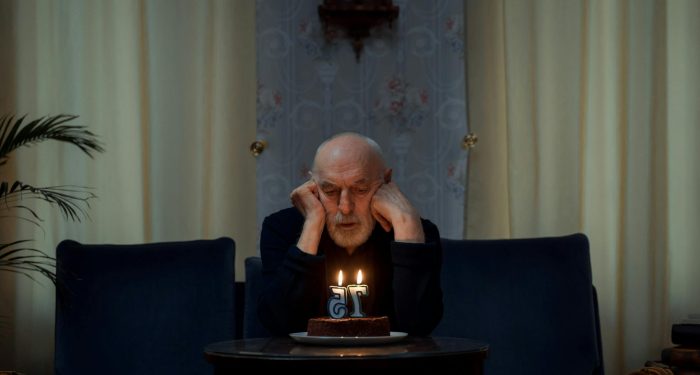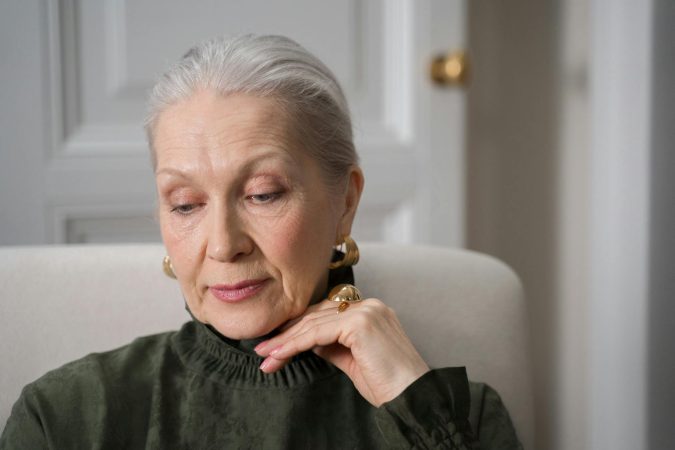
After decades of daily interactions with colleagues and neighbors, retirement strips away the comforting illusion to reveal a harsh truth: you've been confusing convenience with connection, and now the silence is deafening.

Add VegOut to your Google News feed. 
Three months into retirement, I sat in my favorite coffee shop watching former colleagues rush past the window during their lunch break, and it hit me like a cold wave: I didn't miss a single one of them.
It wasn't they weren't good or nice people, but because I suddenly understood that our entire relationship had been built on sharing the same hallways, the same faculty meetings, the same complaints about standardized testing. Remove the workplace, and we had nothing left to say to each other.
This realization haunted me for weeks. After 32 years of teaching high school English, I thought I'd built genuine friendships. I thought retirement would mean leisurely lunches with old colleagues, finally having time for all those "we should get together" promises we'd made over the years.
Instead, I discovered that most of those relationships were like scaffolding around a building – necessary during construction, but completely removable once the work was done.
The uncomfortable truth about work friendships
Have you ever noticed how quickly work friendships fade once someone leaves the job? It's not malicious or intentional. It's just that without the shared context of deadlines, office drama, and water cooler conversations, there's often little holding these relationships together. We mistake frequency for depth, assuming that because we see someone every day, we must be close.
I remember feeling so connected to my teaching colleagues. We'd share lesson plans, vent about difficult parents, celebrate small victories in the teachers' lounge. But once I retired, those daily touchpoints vanished. The group texts slowed to a trickle. The lunch invitations stopped coming. Within six months, I realized I knew more about my former colleagues' classroom management strategies than I did about their dreams, fears, or what made them laugh outside of school.
The same pattern emerged with other relationships I'd thought were solid. The parents I'd chatted with at school events, the neighbors I'd waved to while rushing off to work, even some extended family members I'd seen at obligatory gatherings – without the structure that brought us together, we drifted apart like boats untethered from a dock.
Why proximity feels like connection
There's something seductive about proximity-based relationships. They require so little effort. You show up to work, and there they are. You attend the monthly book club because it's on your calendar. You go to the neighborhood barbecue because it would be awkward not to. These relationships run on autopilot, giving us the comfortable illusion of social connection without demanding much emotional investment.
During my working years, I could easily fill a room with "friends" for a party. But when I needed someone to talk to after my divorce, when couples stopped inviting me to dinners because I no longer fit their seating arrangements, I discovered how few of those relationships could bear any real weight. They were pleasant but hollow, like beautiful shells washed up on the beach – lovely to look at but empty inside.
Psychology Today notes that "Retirement can reduce daily social contact." But what they don't tell you is that this reduction often reveals the quality of your connections, not just the quantity. It's like turning off background music you didn't realize was playing – suddenly the silence is deafening.
The grief of realizing what wasn't there
There's a particular loneliness that comes with this revelation. It's not the loneliness of being physically alone – many of us actually enjoy solitude. It's the loneliness of realizing that what you thought was a rich social life was actually a scheduling coincidence. It's looking at your phone on a random afternoon and realizing you have no one to call just to chat, because all your conversations for the past three decades happened between bells or during prescribed lunch hours.
I went through a period of genuine mourning. Not for the relationships themselves, but for what I'd believed they were. It felt like discovering that money you'd been saving was actually Monopoly currency – worthless outside the game. The grief was compounded by self-blame. How had I let this happen? How had I spent decades surrounded by people yet failed to build real connections?
Finding the courage to build real connections
Rock bottom came about eight months after retirement. I was sitting alone on a Friday night, scrolling through social media, watching former colleagues post about retirement parties I hadn't been invited to. I remember thinking, maybe this feeling means something. Maybe being this lost isn't the end – maybe it's the starting line. I was recently reminded of that moment when I came across a free guide by Jeanette Brown, a retirement coach, who puts it perfectly – she says feeling unsettled during retirement isn't a problem to fix, it's actually where reinvention begins. That's exactly what I'd been sensing but couldn't articulate. I'd been treating my loneliness like a failure rather than an opportunity. (If that resonates with you, her guide is worth a read – it's free and full of moments like that.)
That perspective shift changed everything. Instead of mourning fake friendships, I could focus on building real ones. I joined a widow's support group, thinking I'd just go once or twice. But something magical happened in that room full of strangers who'd experienced real loss. We talked about things that mattered. We showed up for each other not because we had to, but because we wanted to. These women became my closest circle of friends, and our relationships were built on emotional truth, not geographic convenience.
The difference between showing up and being present
Real friendships, I've learned, require intention. They need nurturing beyond the accidental encounters of daily routine. You have to choose to call, choose to visit, choose to remember birthdays and heartaches. You have to be the friend who shows up with soup when someone's sick, not just the friend who texts "thinking of you" with a heart emoji.
This kind of friendship is harder. It demands vulnerability, effort, and the risk of rejection. But it's also infinitely more rewarding. When I call my support group friends, we don't talk about work drama or scheduling conflicts. We talk about our fears of aging, our complicated relationships with our adult children, the books that changed us, the dreams we're still chasing. These conversations leave me feeling seen and known in a way that thirty years of faculty meetings never did.
I've also learned to recognize potential real connections when they appear. The woman at the library who recommended a book that made me cry. The neighbor who noticed I was gardening alone and offered to help. The old student who reached out to thank me and stayed in touch. These are the seeds of genuine friendship, and I tend them carefully now.
Final thoughts
If you're feeling lonely in retirement, or even just contemplating this transition, know that you're not alone in discovering that many of your relationships were held together by nothing more than habit and proximity. This isn't a character flaw or a personal failure. It's a near-universal experience that we rarely talk about.
The good news is that retirement, despite its initial loneliness, offers something precious: the time and clarity to build relationships that actually matter. Without the distraction of obligatory social interactions, you can invest in people who genuinely enrich your life. Yes, your social circle might shrink, but what remains – or what you build anew – will be real. And that authenticity, that genuine connection with even just a few people, is worth more than a hundred proximity friendships could ever be.
What’s Your Plant-Powered Archetype?
Ever wonder what your everyday habits say about your deeper purpose—and how they ripple out to impact the planet?
This 90-second quiz reveals the plant-powered role you’re here to play, and the tiny shift that makes it even more powerful.
12 fun questions. Instant results. Surprisingly accurate.