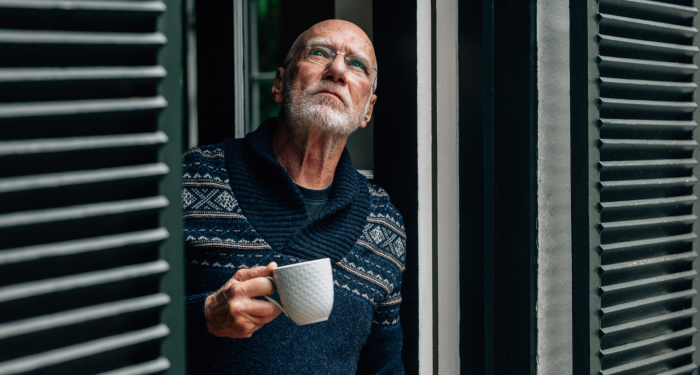
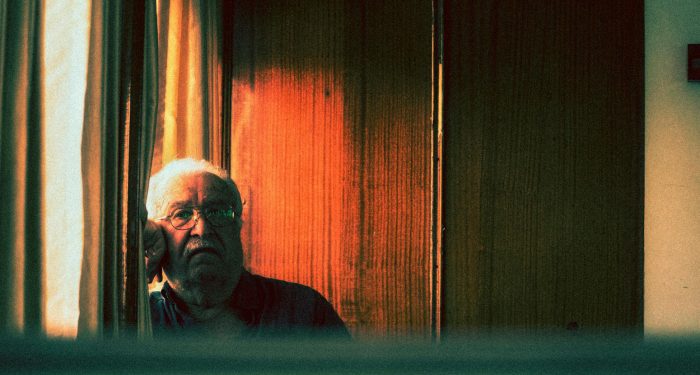
Most of us believe we're in control of our daily choices, but research reveals something that might fundamentally change how you view every "decision" you've made today.
Research from the University of Surrey defines habits as "actions that we are automatically prompted to do when we encounter everyday settings, due to associations that we have learned between those settings and our usual responses to them." Further studies suggest that around 65% of our daily behavior is driven by these automatic patterns rather than conscious choice.
I wanted to test this for myself last week, so I tried tracking every single decision I made in a day. Coffee or tea? Which mug? What podcast while making breakfast? Check email first or shower? Every tiny choice, documented.
By 10 AM, I'd given up — not because I'd made too many decisions, but because the data was right. My morning had unfolded almost exactly like it had for the past several years. Same coffee, same mug from the same shelf, same podcast queue, same shower-then-email sequence.
The illusion of choice had evaporated completely.
Leaving behind something far more interesting: the realization that I'd been sleepwalking through most of my day, confirming what the research already told us.
Your brain's secret autopilot mode
Your brain isn't asking permission every time you reach for your phone when you wake up. It's not consulting you when you take the same route to work. These actions happen because your neural pathways have created shortcuts - associations between environments and behaviors that bypass your conscious decision-making entirely. This isn't laziness. It's efficiency. Your brain has limited processing power for conscious decisions, so it automates everything it can. The same way a computer offloads routine tasks to free up memory, your mind delegates repeated behaviors to deeper, faster neural circuits — circuits that don't require your awareness to fire. The problem? We've lost track of what we're actually choosing versus what's choosing us.
The patterns you never noticed
Remember learning to drive? Every mirror check, every gear shift required intense focus. Now? You probably arrive at destinations with no memory of the journey.
This automation extends far beyond driving. The way you respond to stress, how you interact in meetings, even your reaction to certain foods - these patterns were likely established years ago and now run on repeat without your awareness.
What patterns are running your life without your permission?
Rewiring without the wrestling match
So if two-thirds of our behavior is automatic, does that mean we're stuck with whatever patterns we've accumulated?
Not at all. But changing these patterns requires understanding how they work, not just willing them away.
The key isn't to fight your automatic behaviors head-on. It's to gradually replace them with better automatic behaviors. Your brain doesn't care whether it's automating good habits or bad ones - it just wants efficiency.
Want to read more? Don't rely on motivation. Put a book where you usually grab your phone. Want to eat healthier? Reorganize your kitchen so the fruit is more accessible than the chips. These aren't tricks - they're acknowledgments of how your brain actually operates.
Wrapping up
The next time someone tells you to "just make better choices," you can smile knowing what they don't: most of our choices were made long ago by a brain trying to be helpful. We're not choosing badly - we're often not choosing at all.
This isn't a cause for despair. It's an invitation to curiosity. Which of your behaviors are truly chosen? Which are echoes of decisions made by a younger you in different circumstances? And most importantly, which automatic patterns still serve you, and which ones deserve a conscious override?
Your brain automated these behaviors to make your life easier. Maybe it's time to check if they're still doing their job. After all, the first step to conscious choice isn't making different decisions - it's recognizing when you're actually making decisions at all.
If You Were a Healing Herb, Which Would You Be?
Each herb holds a unique kind of magic — soothing, awakening, grounding, or clarifying.
This 9-question quiz reveals the healing plant that mirrors your energy right now and what it says about your natural rhythm.
✨ Instant results. Deeply insightful.

Jordan Cooper
Jordan Cooper is a food and culture writer based in Venice Beach, California. Before turning to writing full-time, he spent nearly two decades working in restaurants, first as a line cook, then front of house, eventually managing small independent venues around Los Angeles. That experience gave him an understanding of food culture that goes beyond recipes and trends, into the economics, labor, and community dynamics that shape what ends up on people’s plates.
At VegOut, Jordan covers food culture, nightlife, music, and the broader cultural forces influencing how and why people eat. His writing connects the dots between what is happening in kitchens and what is happening in neighborhoods, bringing a ground-level perspective that comes from years of working in the industry rather than observing it from the outside.
When he is not writing, Jordan can be found at live music shows, exploring LA’s sprawling food scene, or cooking elaborate meals for friends. He believes the best food writing should make you understand something about people, not just about ingredients.
More Articles by Jordan