While today's children navigate a world of endless activities and hovering adults, those who grew up when streetlights signaled bedtime and bikes were GPS-free learned something profound that no modern curriculum teaches—how to transform boredom into brilliance and disappointment into strength.
Remember those long summer days when the streetlights were your curfew and your parents' only tracking device was the sound of your voice yelling "I'm okay!" from three blocks away?
The world felt different then, didn't it? Not just because we were younger, but because the lessons we absorbed were fundamentally different from what fills today's classrooms and parenting books.
I've been thinking about this a lot lately, especially after a conversation with a former student who's now raising her own children. She mentioned how overwhelmed she feels by all the expert advice, the conflicting theories, the constant pressure to optimize every moment of her child's development.
It made me realize how much the essential wisdom of those earlier decades has been buried under an avalanche of modern complexity.
1. You're responsible for figuring things out yourself
When I was growing up, if you were bored, nobody scrambled to entertain you. If you complained about having nothing to do, you'd likely hear, "Go outside and find something."
And we did. We created elaborate games with sticks and rocks, built forts from cardboard boxes, and yes, occasionally got into the kind of harmless trouble that taught us where the boundaries were.
This wasn't neglect; it was trust. Adults believed children were capable of solving their own problems, and that belief became self-fulfilling. When my bike chain came off, I didn't immediately run for help. I sat on the curb, studied the mechanism, and figured it out. That small victory taught me more about competence than any structured activity ever could.
Today's children rarely experience that particular satisfaction of solving something entirely on their own. There's always an adult hovering nearby, ready to jump in at the first sign of struggle. But struggle, we learned back then, was where the real education happened.
2. Sometimes life isn't fair, and that's okay
Nobody promised us fairness. If your brother got a bigger slice of cake, if the rain canceled your baseball game, if you didn't make the team despite practicing every day, well, that was life. The phrase "life isn't fair" wasn't said with cruelty but with a matter-of-fact acceptance that helped us develop resilience.
I remember coming home devastated because I wasn't chosen for the lead in the school play despite feeling I was the best one who auditioned. My mother, while sympathetic, simply said, "Sometimes the best person doesn't get chosen. What matters is what you do next." No phone calls to the drama teacher, no demands for explanation. Just a simple acknowledgment that disappointment was part of the journey.
This lesson served me well years later when I was passed over for promotions, when relationships ended despite my best efforts, when life threw curveballs I never saw coming. I already knew the secret: fairness was never guaranteed, but moving forward always was.
3. Money doesn't grow on trees
This is a big one. We understood money in a visceral way that seems lost today.
We saw our parents physically count bills, write checks, balance checkbooks. We knew exactly when money was tight because the menu changed, the thermostat got adjusted, and that new pair of shoes would have to wait another month.
My family didn't have much money, but we always had Sunday dinner together. Those meals taught me that richness had nothing to do with bank accounts. We ate a lot of creative casseroles made from whatever was on sale, but the laughter around that table was priceless.
I taught both my children to cook, clean, and manage money, believing self-sufficiency was the greatest gift I could give them. They learned to comparison shop, to save for what they wanted, to understand the difference between needs and desires. These weren't lessons from a textbook but from standing beside me in the grocery store, calculator in hand, making decisions about what we could afford.
4. Respect is given until it's lost
Do you remember how we addressed adults? It was always Mr. or Mrs., never first names unless specifically invited otherwise. This wasn't about subservience; it was about recognizing that respect was the default setting for human interaction. You gave it freely and only withdrew it when someone proved unworthy of it.
But respect went both ways. Adults respected children's capabilities, their need for independence, their right to make mistakes. There was an unspoken understanding that everyone, regardless of age, deserved basic dignity. You held doors open not because someone was watching but because it was the right thing to do.
5. Actions have consequences
If you broke the neighbor's window playing baseball, you apologized in person and worked out a payment plan from your allowance. If you failed a test because you didn't study, you failed. Period. No extra credit to bail you out, no parent-teacher conference to negotiate a do-over.
I watched my grandmother survive the Depression and still find joy in simple things. She taught me that every choice created a ripple effect, and owning those ripples, good or bad, was what built character. When I became a single mother, this lesson became my lifeline. Every decision mattered, every action had weight, and pretending otherwise would have been a luxury I couldn't afford.
6. Community means showing up
Neighbors knew each other's names, borrowed cups of sugar, and watched out for all the kids on the block, not just their own. If Mrs. Henderson saw you acting up at the park, your parents would know about it before you got home. This wasn't surveillance; it was community.
7. Boredom breeds creativity
We read books because there was nothing on TV. We invented games because there were no devices to entertain us. We daydreamed, and in those daydreams, we discovered who we wanted to become.
During my years teaching high school English, I watched as this capacity for boredom gradually disappeared. Students became increasingly uncomfortable with quiet moments, with time to simply think. Yet it was often in those rare quiet moments, when I could convince them to put everything away and just be present with their thoughts, that the most profound insights emerged.
Final thoughts
These lessons weren't perfect, and neither was the era that produced them. But they contained a fundamental trust in human resilience and capability that seems increasingly rare. We were taught to be sturdy, to bend without breaking, to find our own way through the maze of life.
Perhaps the greatest lesson of all was this: you are stronger than you think, more capable than you know, and the tools you need to navigate life are already within you. You just need the space and freedom to discover them.
If You Were a Healing Herb, Which Would You Be?
Each herb holds a unique kind of magic — soothing, awakening, grounding, or clarifying.
This 9-question quiz reveals the healing plant that mirrors your energy right now and what it says about your natural rhythm.
✨ Instant results. Deeply insightful.
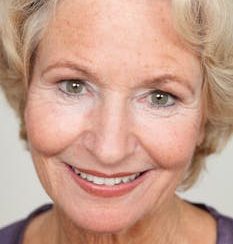
Marlene Martin
Marlene Martin is a retired high school English teacher who spent 38 years in the classroom before discovering plant-based eating in her late sixties. When her daughter first introduced her to the idea of removing animal products from her diet, Marlene was skeptical. But curiosity won out over habit, and what started as a reluctant experiment became a genuine transformation in how she thinks about food, health, and aging.
At VegOut, Marlene writes about nutrition, wellness, and the experience of embracing new ways of eating later in life. She brings a teacher’s instinct for clarity and patience to topics that can feel overwhelming, especially for readers who are just beginning to explore plant-based living. Her writing is informed by personal experience, careful research, and a belief that it is never too late to change.
Marlene lives in Portland, Oregon, where she spends her mornings reading research papers, her afternoons tending a modest vegetable garden, and her evenings knitting while listening to audiobooks. She has three adult children and two grandchildren who keep her honest about staying current.
More Articles by Marlene