After decades of lesson plans and red pens, I discovered that retirement's secret isn't about filling time—it's about the five simple daily rituals that transformed my post-career years from empty to extraordinary.

Add VegOut to your Google News feed. 
Six years ago, when I closed my classroom door for the last time after more than three decades of teaching high school English, I wondered who I would become without lesson plans and red pens. Would I feel lost without the rhythm of school bells and semester schedules?
The truth is, retirement has become the most purposeful and peaceful period of my life, but it didn't happen by accident. It's the result of daily habits that I've cultivated with the same intention I once brought to crafting curriculum.
1. Appreciating the gift of morning silence
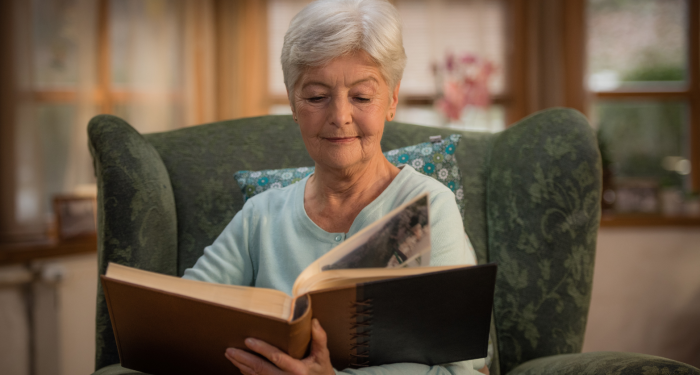
That first hour of my day, between 5:30 and 6:30, belongs entirely to me. No emails, no news, no scrolling through social media. Just me, my tea, and my journal spread open on the kitchen table. I discovered that starting the day in silence isn't about avoiding the world; it's about preparing myself to meet it with clarity and intention.
During this sacred hour, I write whatever comes to mind. Sometimes it's a dream I want to remember, sometimes it's working through a challenge with a friend, and often it's simply observing the way the light changes as dawn approaches. This practice of morning pages has become my compass, helping me navigate retirement with purpose rather than drift through it aimlessly.
The silence also taught me something unexpected: I actually enjoy my own company. After decades of being surrounded by teenagers and colleagues, I worried that retirement might feel lonely. Instead, these quiet mornings have shown me that solitude can be deeply nourishing when you approach it as an opportunity rather than an absence.
2. Moving meditation in the garden
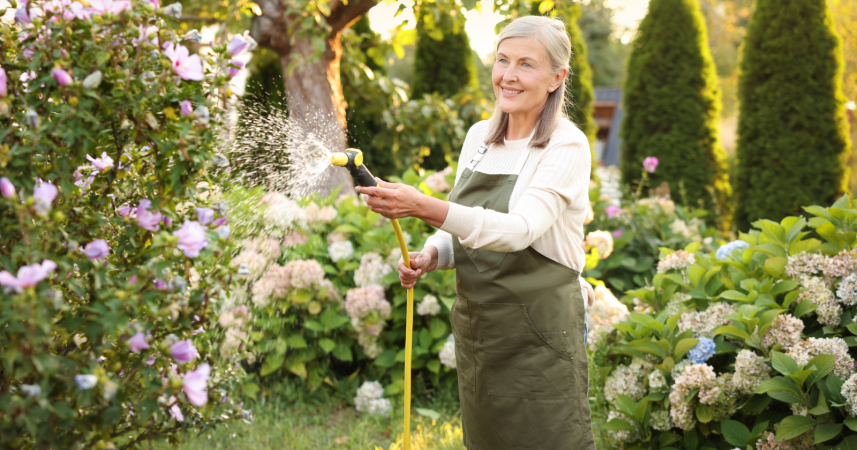
By 6:30, I'm outside in my garden, hands in the soil before the day grows too warm. There's a meditation in deadheading roses and checking on tomato plants that no formal practice could replicate. My knees might protest more than they used to, but the joy of watching things grow under my care fills a space that teaching once occupied.
Gardening has taught me patience in ways that three decades in the classroom never could. Plants grow on their own schedule, indifferent to my plans or timeline. Some mornings I spend an hour weeding, lost in the repetitive motion and the smell of earth. Other days, I simply walk through with my coffee, observing what's changed overnight, marveling at the persistence of life.
The physical nature of gardening also keeps me grounded in my body. Retirement can make it tempting to live entirely in your head, especially for someone who spent their career analyzing literature. But when you're hauling mulch or pruning bushes, you're undeniably present in the physical world, feeling your strength and acknowledging your limits.
3. Meditation
Would you believe that I found meditation through a library audiobook? I was browsing the shelves one afternoon, looking for something completely different, when a title about mindfulness caught my eye. That borrowed audiobook introduced me to a practice that has become as essential to my mornings as that first cup of tea.
Every day, after my time in the garden, I sit for twenty minutes of meditation. Some mornings my mind races through grocery lists and phone calls I need to make. Other mornings, I find that sweet spot of awareness where thoughts float by like clouds. The beauty is that there's no perfect meditation, just as there was no perfect lesson in all my years of teaching. You show up, you do your best, and somehow, that's enough.
Meditation has given me something I didn't know I was missing: the ability to observe my thoughts without being controlled by them. This skill has proven invaluable in retirement, especially when facing the inevitable losses and changes that come with aging. When anxiety about health or loneliness creeps in, I can notice it, acknowledge it, and then return to my breath.
4. Walking into connection
Have you ever noticed how a simple walk can shift your entire perspective? Everyday, regardless of weather, I lace up my walking shoes and head out for a stroll around the neighborhood. Rain or shine, hot or cold, this daily ritual has become my bridge between the solitary pursuits of the day and the quiet evening ahead.
These walks started as exercise but evolved into something much richer. I've become the unofficial neighborhood chronicler, noting which houses have new paint, which gardens are thriving, which dogs bark from behind fences. I wave to the couple who sits on their porch every evening, exchange weather observations with the man who walks his ancient beagle, and sometimes stop to admire a particularly spectacular sunset with whoever happens to be nearby.
Walking also provides thinking time that's different from journaling or meditation. There's something about the rhythm of footfalls that unlocks problems and generates ideas. I've planned entire essays during these walks, worked through difficult conversations, and sometimes simply let my mind wander wherever it wants to go.
5. The practice of evening gratitude
Before bed each night, I open a small leather journal that sits on my nightstand. This gratitude journal became part of my life during the hardest season I've faced.
Now, years later, this practice has become the bookend to my morning journaling. While mornings are for exploration and possibility, evenings are for acknowledgment and appreciation.
Some nights I'm grateful for big things like health and family. Other nights, it's the small stuff that makes the list: the way my cat curled against my leg during afternoon reading, the perfect ripeness of a backyard tomato, the librarian who remembered my name.
This habit has trained my brain to look for the good throughout the day. Even on difficult days, I find myself noting moments of beauty or kindness, storing them up for my evening reflection. It's changed not just how I end my day, but how I experience every hour leading up to it.
Final thoughts
Retirement isn't about stopping; it's about choosing what continues and what begins.
These daily habits didn't appear overnight. They evolved as I learned what nourished me, what challenged me in good ways, and what helped me feel connected to myself and others.
Your habits might look completely different, and that's as it should be. The key is intention, showing up for yourself each day with the same commitment you once brought to your career. That's how we don't just survive retirement but truly thrive in it.