After decades of performing for an invisible audience, a chance encounter with a 73-year-old woman revealed why growing older might be the ultimate act of self-discovery—and why the world's fading gaze could be the greatest gift we never asked for.

Add VegOut to your Google News feed. 
The departure lounge was that particular brand of chaotic that only happens during holiday travel. The smell of overpriced coffee mixed with cleaning solution, gate announcements overlapping in a symphony of delays, and that universal airport lighting that makes everyone look slightly unwell. I'd found a quiet corner near my gate, watching the snow fall against the massive windows, when an older woman settled into the seat beside me with a satisfied sigh.
She had silver hair pulled back in a practical bun and wore comfortable walking shoes that had clearly seen many miles. We exchanged the kind of smile strangers share when acknowledging shared circumstances.
Then, she said something that lodged itself in my mind like a song you can't stop humming: "You know, we only learn to know ourselves when everyone stops watching."
I must have looked puzzled because she laughed, a warm sound that cut through the airport din. She was 73, she told me, flying to see her newest grandchild. And she'd discovered something profound about aging that she wished someone had told her decades ago.
The weight of being seen
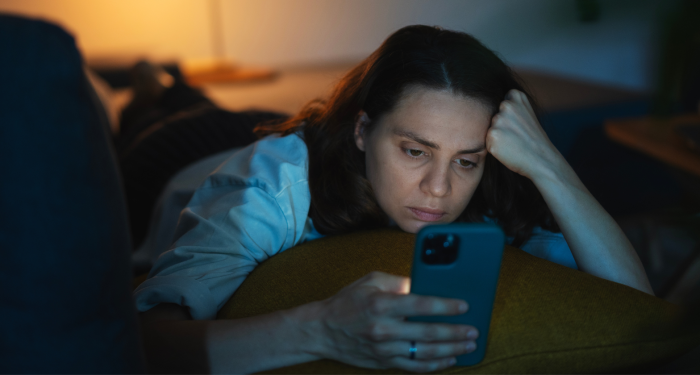
Think about how much of your life you've spent performing. Not in the theatrical sense, necessarily, but in the way we adjust ourselves for the watching world. You know what I mean, don't you? The way you sit differently when someone attractive walks by. How your voice changes on work calls. The mental calculations about what to wear, what to say, how to be.
During my teaching years, I watched teenagers struggle with this weight daily. They moved through the hallways like actors who knew the cameras were always rolling, desperate to hit their marks perfectly. But here's what struck me about my airport companion's words: we don't really outgrow this. We just get better at pretending we have.
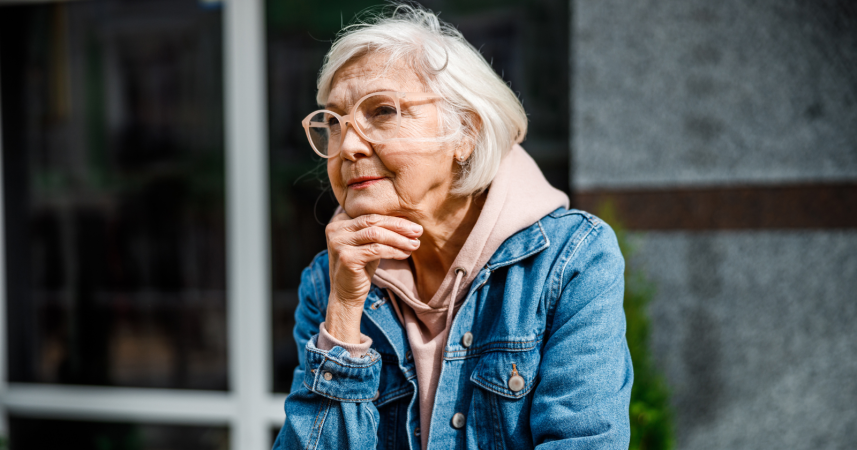
She told me that around 70, something shifted. People's eyes began to slide past her in grocery stores. Salespeople stopped pushing anti-aging creams. The world's gaze, which had felt so heavy for so long, simply lifted.
And in that supposed invisibility, she found something extraordinary: herself.
When the audience leaves
The woman described discovering preferences she'd never admitted to having. She hated dinner parties, it turned out. Always had. But for fifty years, she'd attended them, hosted them, smiled through them.
Now? She reads poetry on Friday nights instead.
The freedom she described reminded me of something I experienced after retirement. For three decades, I'd been "Ms. M" to hundreds of students, maintaining a certain professional persona even outside school. When that role ended, I felt untethered at first. Who was I without lesson plans and red pens?
But then came the writing. At 66, when a friend suggested I start sharing my stories, I discovered a voice I didn't know I had. Not my teacher voice, not my mother voice, but I think something rawer, truer. Something that had been waiting patiently for its turn.
The paradox of invisible visibility
Here's what's fascinating about becoming less visible as we age: we actually become more ourselves. My companion described it beautifully. "When you're young," she said, stirring her tea with a plastic stick, "you're like a mirror, constantly reflecting what others want to see. But mirrors don't know what they look like."
This resonates deeply. How many of us have shaped ourselves around others' expectations for so long that we've lost track of our own edges? When I think about the years I spent trying to be the perfect teacher, the perfect mother, even the perfect divorcee, I wonder what parts of myself I set aside in service of those roles.
There's something liberating about reaching an age where the world's opinions matter less. Not because we become callous, but because we finally have enough data points to trust our own judgment. We've seen enough sunrises to know which ones are worth waking up for.
The courage of self-discovery
Discovering yourself at 60, 70, or beyond requires a particular kind of courage. It's easier, in many ways, to keep playing the roles we've memorized.
My airport friend nodded knowingly when I shared this. She'd recently taken up painting, she told me, something she'd wanted to do since childhood but never pursued because she "wasn't artistic." At 73, she discovered she didn't care about being good at it. She cared about the feeling of brush on canvas, the way colors surprised her when they mixed.
This is what happens when everyone stops watching: we stop performing and start experimenting. We trade the exhaustion of maintaining appearances for the exhilaration of discovery.
The gift of growing older
As our flight was called, my companion stood with the easy grace of someone comfortable in her skin. She'd given me something to think about, she hoped. She certainly had.
I've written before about finding purpose in later life, but this encounter illuminated something different. It's not just about finding new purpose as we age. It's about finally, finally being able to stop auditioning for our own lives.
When everyone stops watching, we start seeing. We notice what actually brings us joy versus what we thought should. We discover preferences we've buried under decades of accommodation. We might find, as I did when I started writing birthday letters for my grandchildren to receive when they turn 25, that our truest gifts come from our most authentic selves.
Final thoughts
That 73-year-old stranger gave me a gift that afternoon. She reminded me that invisibility isn't something to fear as we age. It's an invitation to finally, truly, meet ourselves.
We spend so much of our lives as watched creatures, adjusting and adapting to meet the gaze of the world. But when that gaze shifts away, we're left with something precious: the freedom to discover who we are when nobody's looking. And that person, it turns out, is worth knowing.
What’s Your Plant-Powered Archetype?
Ever wonder what your everyday habits say about your deeper purpose—and how they ripple out to impact the planet?
This 90-second quiz reveals the plant-powered role you’re here to play, and the tiny shift that makes it even more powerful.
12 fun questions. Instant results. Surprisingly accurate.