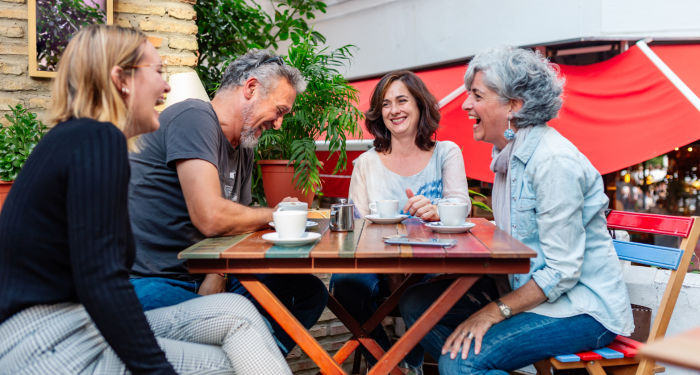
Contentment isn’t found in adding more to our lives. It’s in learning to value what we already have.
We live in a world that constantly tells us we don’t have enough. Scroll social media for two minutes and you’ll find someone with a bigger house, a sleeker car, or a vacation spot that makes your own weekend look painfully ordinary.
But here’s the thing—contentment isn’t found in adding more to our lives. It’s in learning to value what we already have.
Over time, I’ve noticed that people who’ve managed to step off the treadmill of endless wanting tend to share certain habits. They don’t live perfect lives, but they seem calmer, lighter, and more grounded.
Here are five of those habits worth paying attention to.
1. They practice daily gratitude
You’ve probably heard about gratitude so many times that it’s easy to dismiss it as just another cliché. But the science behind it is compelling.
Experts have noted that practicing gratitude can reduce symptoms of depression and anxiety, boost heart health, lower stress, and even improve sleep quality. That’s not just fluffy self-help talk—it’s measurable change in how our brains and bodies work.
I’ve made this a part of my own mornings. Some days it’s as simple as jotting down three things: good coffee, a quiet morning walk, and a text from a friend. Other days it’s deeper, like acknowledging how grateful I am for my health or the stability of my work.
What I’ve learned is that gratitude re-wires your brain to focus on what’s present rather than what’s missing. And that shift alone makes a huge difference in how content you feel.
2. They focus on experiences over material possessions
If you had to choose between a new gadget and a weekend trip with friends, which would you pick?
Research by Leaf Van Boven and Thomas Gilovich makes the answer pretty clear: “When it comes to spending disposable income, experiential purchases tend to make people happier than material purchases.”
Think about it. That new phone might impress for a month, but the memory of sitting on a beach laughing with friends, or hiking a trail you’ve never tried before? That sticks with you for years.
Personally, some of my best money has been spent on live music shows. The ticket stubs gather dust, but the energy of those nights stays with me.
People who appreciate what they have know that experiences shape their identity far more than possessions ever will.
3. They live authentically instead of following others' expectations
Oscar Wilde once wrote: “Most people are other people. Their thoughts are someone else's opinions, their lives a mimicry, their passions a quotation.”
It’s harsh, but true. Many of us shape our lives around what’s expected: the career, the house, the milestones that look good on paper.
But the people who find peace with what they already have? They step back from that noise. They live authentically, even if it doesn’t match what others expect.
I saw this firsthand while traveling in Southeast Asia a few years back. I met people who had traded big salaries and flashy titles for slower lives teaching English, running small cafes, or freelancing remotely. Their lives weren’t picture-perfect, but they radiated a calm confidence.
Living authentically doesn’t mean rejecting ambition. It means defining success on your own terms, instead of chasing what someone else tells you to want.
4. They slow down to notice the small things
Here’s a simple question: when was the last time you ate a meal without scrolling your phone?
People who’ve learned to appreciate life don’t rush through it. They slow down to notice the details—whether that’s the way sunlight falls across their desk, the sound of their kid’s laughter, or the first sip of coffee in the morning.
This isn’t just poetic thinking. Research suggests that mindfulness increases relationship satisfaction, focus and reduces stress.
I’ve noticed this, too. When I intentionally put my phone aside and just sit with a moment—say, listening to an entire album start to finish—it feels like I’ve expanded time. The craving for “more” quiets down, because I’m already fully in what’s here.
5. They value progress over perfection
A big part of wanting more comes from the belief that once life looks a certain way, then we’ll finally be satisfied. The perfect home, the perfect body, the perfect career.
But the people who appreciate what they have tend to value progress instead. They understand that life isn’t about hitting some imaginary finish line; it’s about noticing the movement along the way.
This mindset shift makes room for celebration in the everyday. You worked out twice this week instead of five? That’s still movement. You saved $100 toward your goal? That’s progress.
It’s not about lowering standards—it’s about refusing to postpone happiness until everything is “just right.”
Final thoughts
Wanting more isn’t inherently bad. Ambition drives growth. But when wanting becomes constant, it leaves us feeling empty and restless.
The habits above—gratitude, choosing experiences, living authentically, slowing down, and valuing progress—aren’t dramatic changes. They’re small shifts in attention.
And sometimes, that’s all it takes to realize that what you already have might just be enough.
If You Were a Healing Herb, Which Would You Be?
Each herb holds a unique kind of magic — soothing, awakening, grounding, or clarifying.
This 9-question quiz reveals the healing plant that mirrors your energy right now and what it says about your natural rhythm.
✨ Instant results. Deeply insightful.