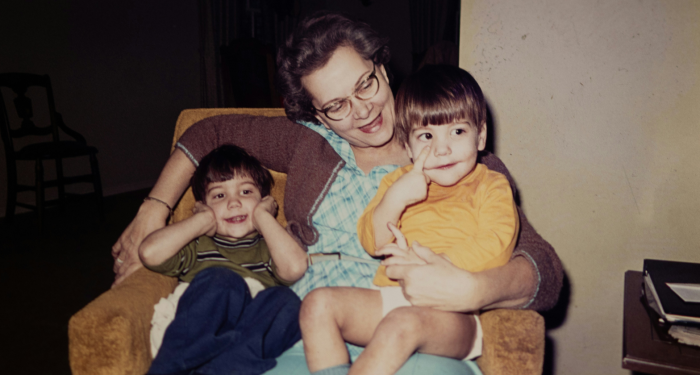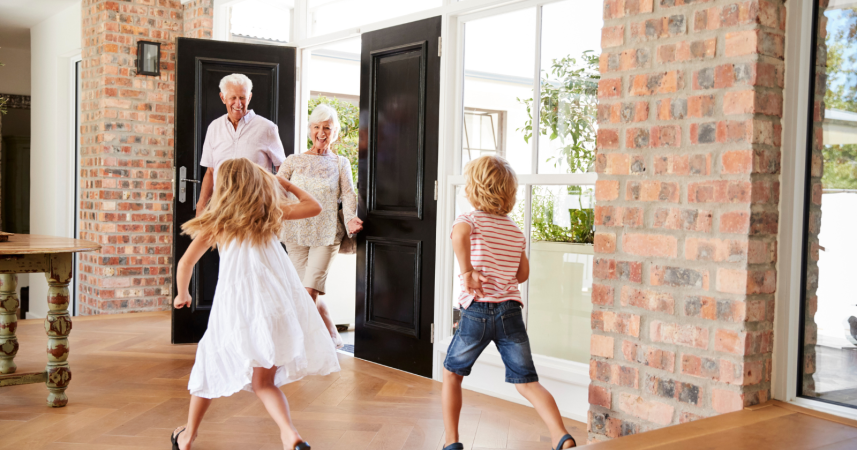
Grandchildren don't visit out of obligation, they visit because you've made your home a place they genuinely want to be.

Add VegOut to your Google News feed. 
My grandmother's house smelled like mothballs and disappointment.
Everything was off limits. The good furniture, the china cabinet, the remote control. We'd sit in stiff silence while she complained about how kids today don't visit their elders enough. Then wonder why we never wanted to come back.
Compare that to Margaret, that resort guest I knew who had grandkids constantly flying across the country to see her. Not because they had to. Because her house was the most interesting place they could be.
After years watching different grandparent-grandchild dynamics in hospitality and life, I've noticed clear patterns. Some grandparents get genuine visits. Others get obligatory phone calls and guilt-driven holidays.
The difference isn't love. It's whether you've created an environment that makes young people actually want to spend time with you.
Here are eight things that consistently make grandchildren choose to visit rather than having to be forced.
1) You have something interesting going on
Grandchildren want to visit grandparents who are doing things.
Not sitting around waiting for visits. Actually living. Working on projects, pursuing hobbies, engaged with the world.
Margaret painted, learned languages, traveled. When her grandkids visited, they weren't just keeping her company. They were participating in her actual life, which was interesting.
Kids can tell when you've made them your entire purpose. That's pressure, not connection. But when you have your own things going on and let them join? That's compelling.
2) Your house has things they can actually touch
Nothing kills visits faster than a house full of off-limit objects.
The grandparents who get regular visits have homes where kids can exist without constant correction. Snacks they can grab without asking. Books they can pull off shelves. Spaces where they can be messy without crisis.
I watched this constantly in hospitality. Families traveling with grandparents who were relaxed about their stuff had better dynamics than those who were protective of their belongings.
You can't create connection while simultaneously policing every movement. Pick your actual boundaries and let the rest go.
3) You don't compete with their parents
Grandchildren avoid grandparents who make visits about parenting criticism.
Commenting on how they're being raised, what they're allowed to eat, how they dress, screen time rules. Even subtle digs create tension that kids pick up on.
The grandparents who get enthusiastic visits accept that parents make the rules. They might not agree, but they don't undermine or criticize. They make their home an extension of their grandchildren's life, not an escape from their parents.
Kids don't want to be in the middle of adult conflict. Make them choose sides and they'll choose not to visit.
4) You actually listen when they talk
Most adults half-listen to kids. The grandparents who get real visits actually engage.
Not just asking questions then waiting for their turn to talk. Genuinely curious about what their grandchildren care about, even when it's video games or TikTok or things they don't understand.
During my Bangkok years, I'd see older expats who could talk with younger people about their interests without judgment or dismissal. Those were the ones younger people sought out.
You don't have to understand or approve of everything your grandchildren care about. You just have to treat their interests as worthy of attention. That alone sets you apart from most adults in their lives.
5) You have routines they can count on
Grandchildren love predictable traditions, even small ones.
Saturday morning pancakes. Afternoon walks to the park. Evening card games. Doesn't matter what it is. Just something they know happens when they visit.
These routines create comfort and give kids something to look forward to. It's not about elaborate activities. It's about consistency.
I use this principle in cooking. The best meals aren't always the most complex. Sometimes the simple dish you make perfectly every time is what people want most.
Same with grandparenting. Find your thing, make it reliable, and kids will want to come back for it.
6) You don't make visits feel like performances
Some grandparents treat visits like recitals where grandchildren need to perform.
Show off what you learned in school. Play piano for grandma. Demonstrate your sports skills. Smile for endless photos.
Kids hate this. It makes visits feel like work.
The grandparents who get genuine enthusiasm let kids just exist. They can read quietly, play independently, or do nothing. There's no pressure to be entertaining or impressive.
Create space where your grandchildren can be bored and comfortable. That's when real connection happens.
7) You keep up with technology enough to stay connected
You don't need to be on TikTok, but you should probably know how to text.
Grandchildren visit grandparents they can stay in touch with between visits. A text checking in, a quick video call, sending memes they might like.
The grandparents who refuse to learn basic technology make themselves inaccessible. Kids today communicate digitally. If you're not there, you're not part of their daily life.
Margaret would text her grandkids random things that made her think of them. Not long messages, just quick connections. That maintained the relationship between visits.
8) You let them leave wanting more
The best visits end before anyone's ready.
Not dragging them out until everyone's exhausted and cranky. Not piling on so many activities that it becomes overwhelming. Keeping things light enough that they leave thinking "That was fun, I want to come back."
Some grandparents try to pack everything into each visit because they're afraid it's the last one. That desperation is exhausting for everyone.
The confident move is trusting there will be more visits, so each one can be relaxed and enjoyable rather than frantically trying to maximize connection.
What this really means
None of this is about buying love or competing with parents or being the "fun" grandparent.
It's about creating an environment where young people genuinely want to spend time. Where they feel comfortable, heard, and engaged without pressure or judgment.
The grandparents who get regular, enthusiastic visits aren't necessarily the ones doing the most. They're the ones who've made their homes and themselves accessible and interesting.
They have their own lives. They're flexible with their stuff. They don't undermine parents. They listen without dismissing. They create reliable routines. They don't demand performances. They stay connected between visits. They know when to end things.
That's not complicated. But it requires setting aside ego and actually thinking about what makes young people want to be around you.
Your grandchildren will visit out of obligation if they have to. Or they can visit because your house is genuinely one of their favorite places to be. The choice is yours.
What’s Your Plant-Powered Archetype?
Ever wonder what your everyday habits say about your deeper purpose—and how they ripple out to impact the planet?
This 90-second quiz reveals the plant-powered role you’re here to play, and the tiny shift that makes it even more powerful.
12 fun questions. Instant results. Surprisingly accurate.