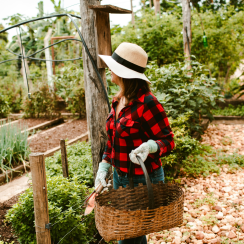
While genetics play a role, the most vibrant seniors share a surprisingly simple secret: They've been quietly eating the same ten everyday foods for decades, and the science behind their choices will transform how you think about aging.

Add VegOut to your Google News feed. 
Last week at the farmer's market, I watched a woman who must have been in her seventies hefting bags of kale and radishes with the ease of someone half her age.
Her skin practically glowed in the morning light, and when she laughed with the vendor about the early frost, I couldn't help but think: Some people seem to have discovered something the rest of us are still searching for.
After teaching high school for over three decades, I've had plenty of time to observe how differently we all age.
Some of my former colleagues seemed to wither the moment they retired, while others bloomed like late summer roses.
The difference, I've noticed over the years, often comes down to what's on their plates.
Have you ever wondered why some people seem to defy the typical aging process? It's not just genetics or expensive creams.
The vibrant sixty-somethings and beyond that I know all share remarkably similar eating habits.
They're not following complicated diets or swallowing handfuls of supplements.
Instead, they're eating real, simple foods every single day.
1) Leafy greens that go beyond lettuce
When I started my Monday soup ritual, using whatever needed to be used up from the week before, I discovered the magic of sturdy greens.
Kale, Swiss chard, collard greens, and spinach all find their way into that pot, and I swear they're part of what keeps me feeling energized through the week.
These aren't your grandmother's iceberg lettuce salads.
Dark leafy greens are powerhouses of vitamins K, A, and C, plus they're loaded with antioxidants that fight inflammation.
I toss them into everything now: scrambled eggs, smoothies, even on top of pizza.
The key is making them a daily habit, not a once-in-a-while side dish.
2) Berries in every color
"The darker the berry, the sweeter the juice," as the saying goes, but I'd add: the better for your brain and body too.
Blueberries, blackberries, raspberries, and strawberries are nature's candy, except they actually help rather than harm us.
Every morning, I scatter a handful over my oatmeal or yogurt.
In winter, frozen berries work just as well.
They're packed with anthocyanins, those compounds that give berries their deep colors and help protect our cells from damage.
Think of them as tiny shields for your body.
3) Fatty fish that swim upstream
Do you remember being told fish was brain food as a child? Turns out our mothers were right.
Salmon, mackerel, sardines, and herring are swimming with omega-3 fatty acids that keep our hearts strong and our minds sharp.
Twice a week might be enough for some, but the healthiest seniors I know eat fish almost daily.
They keep cans of wild salmon and sardines in their pantries like precious gems.
A simple lunch of sardines on whole grain toast with a squeeze of lemon might not sound glamorous, but it's the kind of meal that adds years to your life and life to your years.
4) Nuts and seeds by the handful
Walnuts look like tiny brains for a reason, perhaps.
Every afternoon around three o'clock, when that energy slump hits, I reach for a small handful of mixed nuts instead of cookies.
Almonds, walnuts, pecans, pumpkin seeds, and sunflower seeds all make regular appearances in my kitchen.
They're crunchy, satisfying, and loaded with healthy fats, protein, and minerals.
The people who age gracefully don't fear fat; they embrace the right kinds.
A tablespoon of ground flaxseed in morning smoothies, chia seeds in puddings, hemp hearts on salads - these small additions make a tremendous difference over time.
5) Whole grains that actually taste good
When I started baking bread every Sunday during that particularly hard winter, I discovered the profound difference between processed white flour and whole grains.
Now, my weekly loaves are dense with oats, quinoa, and whole wheat flour.
But bread is just the beginning.
Brown rice, quinoa, farro, barley, and steel-cut oats provide sustained energy and keep blood sugar stable.
The healthiest older adults I know don't eliminate carbs; they choose the ones that nourish rather than spike and crash.
6) Colorful vegetables that make plates look like art
My English cottage garden, cultivated over thirty years, has taught me that variety is essential for thriving.
The same goes for our plates.
Orange sweet potatoes, purple cabbage, red bell peppers, yellow squash - each color represents different nutrients our bodies need.
When I prepare meals now, I ask myself: how many colors are on this plate? The more variety, the better.
Roasted vegetables have become my go-to side dish because they're simple, delicious, and make even a Tuesday dinner feel special.
7) Legumes that humble and nourish
Beans, lentils, and chickpeas might not be glamorous, but they're the unsung heroes of longevity.
Every culture with exceptional lifespans has legumes as a dietary staple.
They're cheap, versatile, and incredibly filling.
My Monday soups almost always include some kind of bean or lentil.
They add protein, fiber, and a satisfying heartiness that keeps me full for hours.
Plus, they're forgiving; dried or canned, seasoned simply or elaborately, they always deliver nutrition.
8) Probiotic-rich fermented foods
Have you noticed how many vibrant older people eat yogurt daily? Or sauerkraut, kimchi, kefir, or miso?
These fermented foods support gut health, and increasingly, research shows that a healthy gut means a healthy everything else.
I keep plain yogurt in my fridge always, using it for breakfast, as a base for dips, or dolloped on spicy foods.
The tang of fermented foods grows on you, and your body thanks you for the beneficial bacteria.
9) Olive oil as liquid gold
The Mediterranean folks have this one figured out.
Good quality olive oil isn't just for cooking; it's medicine.
I drizzle it on salads, vegetables, and even toast.
The healthy seniors I know don't fear fat; they choose it wisely.
Extra virgin olive oil, used liberally but not excessively, provides vitamin E and compounds that fight inflammation.
It makes vegetables taste better too, which means we eat more of them.
10) Dark chocolate as daily medicine
Yes, chocolate makes the list, but we're talking about the dark stuff, at least 70% cacao.
A square or two after dinner has become my ritual, one I look forward to during my evening walks around the neighborhood, regardless of weather.
It's not about denying ourselves pleasure; it's about choosing pleasures that also happen to be good for us.
Dark chocolate provides antioxidants and a sense of satisfaction that keeps us from reaching for less healthy treats.
Final thoughts
Looking vibrant and healthy as we age is about consistently choosing foods that nourish us, day after day.
These ten foods aren't magical on their own, but together, eaten regularly, they create a pattern of eating that supports vitality at any age.
The woman at the farmer's market? I asked her secret before she left. She laughed and said, "I eat real food, every day, and I enjoy every bite."
Perhaps it really is that simple!