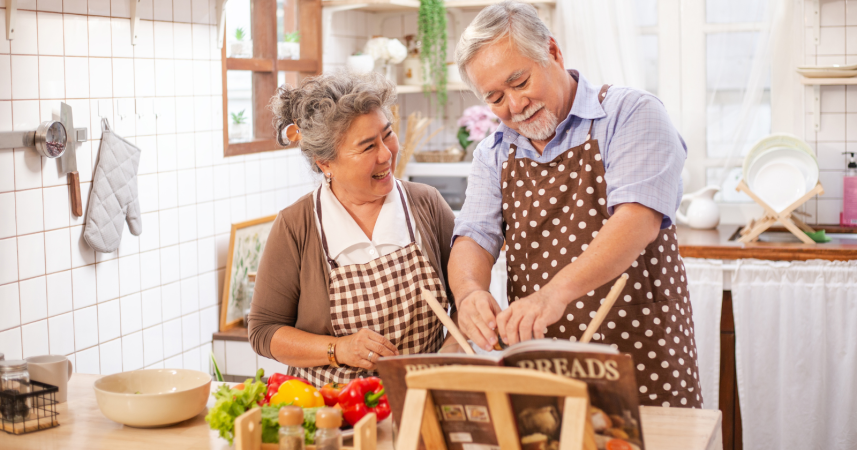
While their peers retreat into predictable routines and fixed mindsets, these mentally vibrant 70-somethings stay endlessly curious about strangers' stories, create things daily, and maintain friendships across generations—proving that mental youth has little to do with supplements or gym memberships.
Last week, I found myself in a conversation with my book club friends, all of us somewhere north of 70, when someone mentioned feeling disconnected from their actual age. "I forget I'm 74 until I catch my reflection," one friend laughed, and we all nodded knowingly.
There's something curious about this phenomenon... how some people maintain that spark of mental youth well into their seventies and beyond, while others seem to age from the inside out.
After years of observing my peers and reflecting on my own journey through this decade, I've noticed distinct patterns among those who radiate that enviable mental vitality. These aren't the obvious health mantras we hear everywhere: the daily walks, the fish oil supplements, the crossword puzzles.
Instead, they're subtler habits of mind and spirit that keep us feeling decades younger than our birth certificates suggest.
1) They remain genuinely curious about other people's stories
Have you ever noticed how children ask endless questions about everything? That quality doesn't have to fade with age. The most mentally youthful seniors I know are still fascinated by other people's experiences.
They ask follow-up questions at parties, remember details from previous conversations, and genuinely want to understand perspectives different from their own.
I discovered this myself when I started writing at 66. Suddenly, everyone had a story worth hearing, from the grocery store clerk who shared her college plans to the librarian who revealed she was learning Portuguese at 68.
When we stay curious about others, we remain connected to the ever-changing world around us rather than retreating into our own fixed narratives.
2) They embrace technology without making it their identity
The mentally young seniors I know don't define themselves by either mastering or rejecting technology. T
hey simply use what serves them. My friend learned to video chat to see her granddaughter in Japan. Another discovered audiobooks when his eyes started struggling with print. They don't apologize for not understanding every app, nor do they pride themselves on being "good with computers for their age."
This balanced approach keeps them connected to younger generations without the stress of trying to keep up with every digital trend. They text their grandchildren, share photos, maybe even venture onto social media, but they don't let technology intimidate them or consume their days.
3) They cultivate new friendships alongside old ones
C.S. Lewis wrote, "Friendship is born at that moment when one person says to another, 'What! You too? I thought I was the only one.'" The people who feel youngest at heart don't stop seeking these moments of connection. While they cherish longtime friendships, they remain open to new people entering their lives.
Since joining my book club three years ago, I've formed deep friendships with women I might never have met otherwise. Some are fifteen years younger, others are approaching 90. This mix of perspectives keeps conversations fresh and challenging.
Old friends knew us when; new friends know us now. Both are essential for maintaining that sense of ongoing discovery about ourselves.
4) They hold strong opinions loosely
There's a particular quality I've noticed in mentally vibrant seniors - they have convictions without being rigid. They'll debate politics or books or the best way to make cornbread with passion, but they can also laugh at themselves and admit when they're wrong.
They've learned the art of taking things seriously without taking themselves too seriously.
This flexibility of mind is like yoga for the brain. When we can still be surprised by new information, still change our minds about something we thought we knew, we maintain the mental suppleness of someone decades younger.
5) They create something, anything, regularly
Whether it's a garden, a quilt, a poem, or a perfectly organized closet, the act of creation keeps us mentally fresh.
The people I know who feel youngest are always making something. It doesn't have to be grand or artistic: one friend creates elaborate family photo albums, another builds model trains with his grandson.
For me, it's the daily practice of writing in my journal each morning with my tea, watching thoughts take shape on the page. This creative habit, no matter how modest, reminds us that we're still capable of bringing something new into existence.
6) They maintain a sense of humor about aging
Do you know what makes someone seem truly young at heart?
The ability to laugh about getting older rather than lamenting it. The most vital seniors I know make jokes about their "senior moments," find humor in the absurdities of aging bodies, and can laugh at the growing gap between how they feel inside and what the mirror reflects.
Just yesterday, I spent ten minutes looking for my reading glasses while wearing them. Twenty years ago, this might have frustrated me. Now? It's comedy material for dinner with friends. This lightness about our limitations paradoxically makes us seem more vibrant than those who rage against every sign of aging.
7) They stay connected to multiple generations
The people who maintain mental youth don't isolate themselves in age-segregated bubbles. They have meaningful relationships across generations - not just polite interactions, but real connections. They learn slang from teenagers, discuss careers with thirty-somethings, and share parenting experiences with new parents.
My grandchildren, ranging from 8 to 22, keep me current in ways no newspaper could. My youngest grandchild teaches me about dinosaurs with the same enthusiasm I bring to sharing my favorite books.
My great-grandchild, at 2, reminds me daily that wonder doesn't require words. These relationships prevent us from becoming frozen in our own generational perspective.
8) They practice gratitude without toxic positivity
There's a difference between forced cheerfulness and genuine appreciation. The mentally young seniors I know acknowledge life's difficulties - loss, health challenges, disappointments - while still finding moments of genuine gratitude. They don't pretend everything is wonderful, but they notice what is.
Each evening, I write in my gratitude journal, a practice I began after my husband passed. Some days, I'm grateful for big things - health, family, purpose. Other days, it's the perfect ripeness of a pear or a particularly good conversation.
This practice doesn't erase grief or frustration, but it keeps my mental lens focused on possibility rather than limitation.
Final thoughts
Mental youth after 70 isn't about denying our age or pretending we're something we're not. It's about remaining engaged with life in all its complexity, maintaining flexibility of thought, and remembering that growth doesn't stop at any particular birthday.
These habits cost nothing, require no special equipment, and can begin at any moment. The question isn't whether we're getting older - we all are. The question is whether we're still becoming.
If You Were a Healing Herb, Which Would You Be?
Each herb holds a unique kind of magic — soothing, awakening, grounding, or clarifying.
This 9-question quiz reveals the healing plant that mirrors your energy right now and what it says about your natural rhythm.
✨ Instant results. Deeply insightful.
Marlene Martin
Marlene Martin is a retired high school English teacher who spent 38 years in the classroom before discovering plant-based eating in her late sixties. When her daughter first introduced her to the idea of removing animal products from her diet, Marlene was skeptical. But curiosity won out over habit, and what started as a reluctant experiment became a genuine transformation in how she thinks about food, health, and aging.
At VegOut, Marlene writes about nutrition, wellness, and the experience of embracing new ways of eating later in life. She brings a teacher’s instinct for clarity and patience to topics that can feel overwhelming, especially for readers who are just beginning to explore plant-based living. Her writing is informed by personal experience, careful research, and a belief that it is never too late to change.
Marlene lives in Portland, Oregon, where she spends her mornings reading research papers, her afternoons tending a modest vegetable garden, and her evenings knitting while listening to audiobooks. She has three adult children and two grandchildren who keep her honest about staying current.
More Articles by Marlene