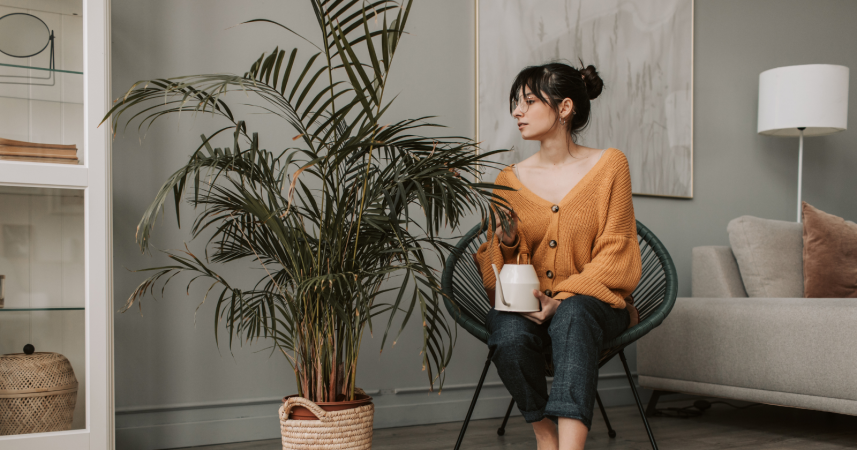
You can tell so much about someone’s lifestyle, values, and level of comfort by the items they choose and the way they curate their space.
I’ve spent most of my adult life around people who live comfortably.
Not billionaire-level, but the quiet upper-middle-class crowd who buy good furniture once and keep it forever. Working in luxury food and beverage in my twenties taught me something interesting about them.
They usually don’t flaunt their status. You won’t walk into their home and see gold-plated anything. But there are very specific markers that hint at the life they’re living.
And what’s funny is that a lot of people have these items without realizing what they communicate. They don’t consider themselves upper-middle-class. They think they’re “average” or “doing okay,” but their living room tells a different story.
So today, we’re breaking down ten things that almost always show up in homes where people have quietly crossed into upper-middle-class territory. If some of these are in your living room, you might be doing better than you think.
Let’s get into it.
1) A sofa that wasn’t bought on impulse
The sofa is the centerpiece of the living room. And upper-middle-class people tend to choose it intentionally.
They don’t buy the cheapest option during a holiday sale. They don’t grab the first one that “kind of works.” Their sofa was researched, tested, and probably saved for.
If your sofa is a well-made piece from a brand known for craftsmanship, that’s a sign. Something with real cushioning, real fabric integrity, and real support. A sofa that holds its shape rather than sinking in after a year.
Most people underestimate how telling this is. But people with money know the value of long-lasting comfort. They’re over the days of settling for whatever was on clearance.
If you have a sofa that people compliment the moment they walk in, that’s a hint you’re living a more elevated lifestyle than you think.
2) Art that isn’t generic
Upper-middle-class homes almost always have art with meaning. Not mass-produced wall decor bought only because the colors matched. Not fake cityscapes or generic flowers.
Real art.
Art from travels. Art from local creators. Art that sparks conversations.
When I travel, I love picking up small prints or shaped ceramics from local artists. Not only because it supports them, but because it adds soul to a space. And that’s the vibe you feel instantly when you walk into a home where people have put thought into their environment.
If you have even a couple of pieces with a story behind them, that’s a marker of both taste and intention. Two traits that quietly point toward upper-middle-class living.
3) Quality lighting instead of overhead assault
Walk into a truly comfortable and expensive-feeling home, and one thing stands out. The lighting feels warm.
Upper-middle-class people know that the fastest way to cheapen a space is harsh overhead lighting. So they invest in lamps, warm bulbs, soft-glow sconces, or dimmers.
Lighting sets the tone of the whole home:
- It changes your mood.
- It changes how you relax.
- It changes how you host.
This is something I learned working in high-end restaurants. We obsessed over lighting. It was never accidental. If the lights were wrong, the food tasted off and the room felt tense.
So if your living room has layers of lighting, each serving a purpose, you’re using a design principle usually associated with higher-end lifestyles.
4) A coffee table with personality
A coffee table that isn’t flimsy or basic says a lot. It doesn’t have to be expensive, but it does have to be intentional. Wood, stone, metal, or glass, but with weight and presence. Something that feels like it belongs, not like it barely survived the move.
Upper-middle-class homes often have coffee tables that double as conversation pieces. Maybe it’s handcrafted. Maybe it’s vintage. Maybe it’s something you picked up from a boutique shop you discovered on vacation.
If your coffee table adds character to the room instead of just holding remotes, you’re signaling a level of taste that not everyone invests in.
5) A well-curated bookshelf

This one is practically a stereotype, but it’s true. People living comfortable lives tend to read. Or at least they buy books that reflect their interests, values, and experiences.
A bookshelf isn’t just storage. It’s identity.
Books about travel. Biographies. Cookbooks with real use. Nonfiction classics. Design books. Maybe even a few quirky novels you picked up during a trip.
Upper-middle-class people display their intellectual curiosity through their shelves. And honestly, you can tell a lot about someone by the books they keep close.
If you have a bookshelf that’s more than decoration, that’s a sign.
6) Plants that are alive and thriving
Having plants isn’t the sign. Taking care of them successfully is.
A living room with healthy plants says a lot. It says you have routines. You have stability. You make time to maintain your environment. You value aesthetics that grow over time.
I used to kill every plant I brought home. Then one day I got serious about learning how to care for them. Now, the ones in my living room thrive, and friends always comment on how peaceful the space feels.
Upper-middle-class homes almost always have healthy plants. They add life, texture, and freshness. And if your plants look good, you’re probably living in a space that gives you enough bandwidth to care for them.
That’s a privilege not everyone has.
7) A rug that anchors the room
A rug isn’t just decor. It’s structure. It pulls the entire room together. And upper-middle-class people almost always have one that does exactly that.
Cheap rugs tend to fade, pill, or slide around. But a solid, thick, properly placed rug makes the whole room feel elevated. It’s one of the easiest ways to create warmth and dimension in a space.
If your living room has a rug with real weight, good fabric, or a unique design, that’s a sign you’re thinking about your home like someone with comfort and style in mind.
8) High-quality candles or scents
People who are doing well often pay attention to how their home smells. And they invest in it. Candles that burn evenly. Diffusers that don’t smell artificial. Essential oils that actually elevate the atmosphere.
This is something I learned in luxury dining. Scent matters as much as taste. It signals care, refinement, and a level of hospitality that goes beyond the basics.
If you’ve ever splurged on a candle because you fell in love with the scent, congratulations. You’re already participating in a very upper-middle-class habit.
9) A piece of furniture made from real wood
This is a small but major sign.
If your living room has even one piece of furniture made from real, solid wood - not veneer, not engineered composites - that says you’ve moved past the temporary-buy phase of life. Real wood ages well. It holds weight. It feels grounded.
People with upper-middle-class lifestyles often invest in pieces they expect to keep for years. Maybe decades.
So if you have a vintage wooden cabinet, a solid wood coffee table, or a handcrafted side table, you’re living in a way that reflects stability and long-term thinking.
10) Thoughtful touches that show hospitality
This is the hospitality industry in me talking, but upper-middle-class people almost always have little touches that make guests feel welcome.
Coasters out and ready. A tray for drinks. Extra blankets for comfort. A designated place to put shoes or bags. Small bowls for snacks or fruit.
These aren’t expensive. They’re intentional.
When people feel like your living room could host a dinner party with zero stress, that says a lot about the lifestyle behind the scenes.
Final thoughts
Most people underestimate how revealing a living room can be. You can tell so much about someone’s lifestyle, values, and level of comfort by the items they choose and the way they curate their space.
And if you saw yourself in several of these items, you might be living a far more upper-middle-class life than you realize. Not because of status. But because of the intentionality behind how you create your home.
So here’s a question worth thinking about.
Which of these items do you have because they’re practical, and which do you have because they’re a reflection of how far you’ve come?
What’s Your Plant-Powered Archetype?
Ever wonder what your everyday habits say about your deeper purpose—and how they ripple out to impact the planet?
This 90-second quiz reveals the plant-powered role you’re here to play, and the tiny shift that makes it even more powerful.
12 fun questions. Instant results. Surprisingly accurate.