
I didn’t wake up one day disciplined — I built it one small habit at a time… and that quiet momentum changed everything.
If you’ve ever looked at your to-do list with a sinking feeling and thought, “Yeah… maybe later,” then you’ll understand where I came from.
For years, I lived in a loop of great ideas and zero follow-through.
I blamed time, energy, the universe, Mercury retrograde—anything but my own habits.
Then one year something clicked.
Not in a dramatic movie-montage way.
More in a slow, stubborn, “fine, let’s try this” way.
I changed eight simple things.
Together, they rewired how I work, think, move, and even rest.
Here’s what worked.
1) I started my days with a single non-negotiable
Do you know the feeling of waking up and immediately being pulled in eight directions?
Messages, emails, the news, that one friend who somehow wakes up at 4 a.m. and sends you reels?
For a long time, my mornings were a reaction to whatever came at me.
Then I gave myself one rule: start the day with one non-negotiable task.
Not five. Not everything. Just one.
Some days that’s a 20-minute reading session with coffee.
Other days it’s a quick body-weight workout I can do on my living room rug, usually with my cat looking unimpressed.
When I’m traveling, it's often a 10-minute journaling session in a café somewhere.
The point isn’t what the task is.
The point is proving to yourself before 9 a.m. that you can follow through.
It sets the tone for the entire day. You begin by leading instead of reacting.
2) I limited decision fatigue wherever I could
There’s a reason I eat the same breakfast most mornings.
It’s not because I lack imagination.
It’s because decisions drain discipline.
I learned this the hard way.
Back when I was trying to overhaul my habits, I’d stack my mornings with unnecessary choices: which outfit, which workout, which coffee maker, which playlist.
By noon, my brain felt like a browser with 87 tabs open.
One day I came across a behavioral science book that said something simple: the more choices you remove, the more energy you have for the choices that matter.
So I simplified.
My default breakfast is avocado toast or oats with fruit.
My workout playlist stays the same until it stops working.
My photography gear is packed the same way every time so I don’t debate which lenses to bring.
It sounds small, but reducing decision friction is one of the strongest discipline boosters I’ve found.
When your brain isn’t constantly switching gears, you can actually stay on track.
3) I created a habit loop that rewards consistency
Most of us procrastinate because the reward for doing the thing is too far away.
Humans aren’t great at delayed gratification.
I’ve mentioned this before in another post, but the brain loves immediate dopamine payoffs… and unfortunately checking Instagram delivers dopamine way faster than finishing a chapter of a book or writing a thousand words.
The formula is simple:
cue → action → reward
My cue might be sitting down at my desk.
My action might be 25 minutes of focused work.
My reward is something tiny but immediate like a walk outside, a handful of almonds, a cup of matcha, or even a few minutes of a podcast.
Not “dessert after I finish my entire project.” That’s too far away.
These micro-rewards keep your brain engaged long enough to make discipline feel natural instead of punishing.
And when something feels less like punishment, you stop procrastinating on it.
4) I embraced boring consistency instead of relying on motivation
If you’ve ever waited for motivation to magically appear, you’ll know it’s about as predictable as a toddler with a paint set.
Discipline, on the other hand, is predictable.
One thing my travels taught me is that people who get things done aren’t superhumans.
They’re just consistent.
I saw this while living in a small town in Japan for a few weeks.
Every morning, without fail, older men and women showed up at the same local park to stretch.
Rain or shine.
No fuss.
They never looked motivated.
They looked consistent.
That stuck with me.
So instead of chasing motivation, I built routines I could do even on low-energy days.
Sometimes that means writing 100 words instead of 1,000.
Or doing a shortened workout.
Or reading two pages instead of a chapter.
Consistency keeps the habit alive.
Motivation only shows up once consistency has already done the heavy lifting.
5) I cut off my biggest distractions at their source
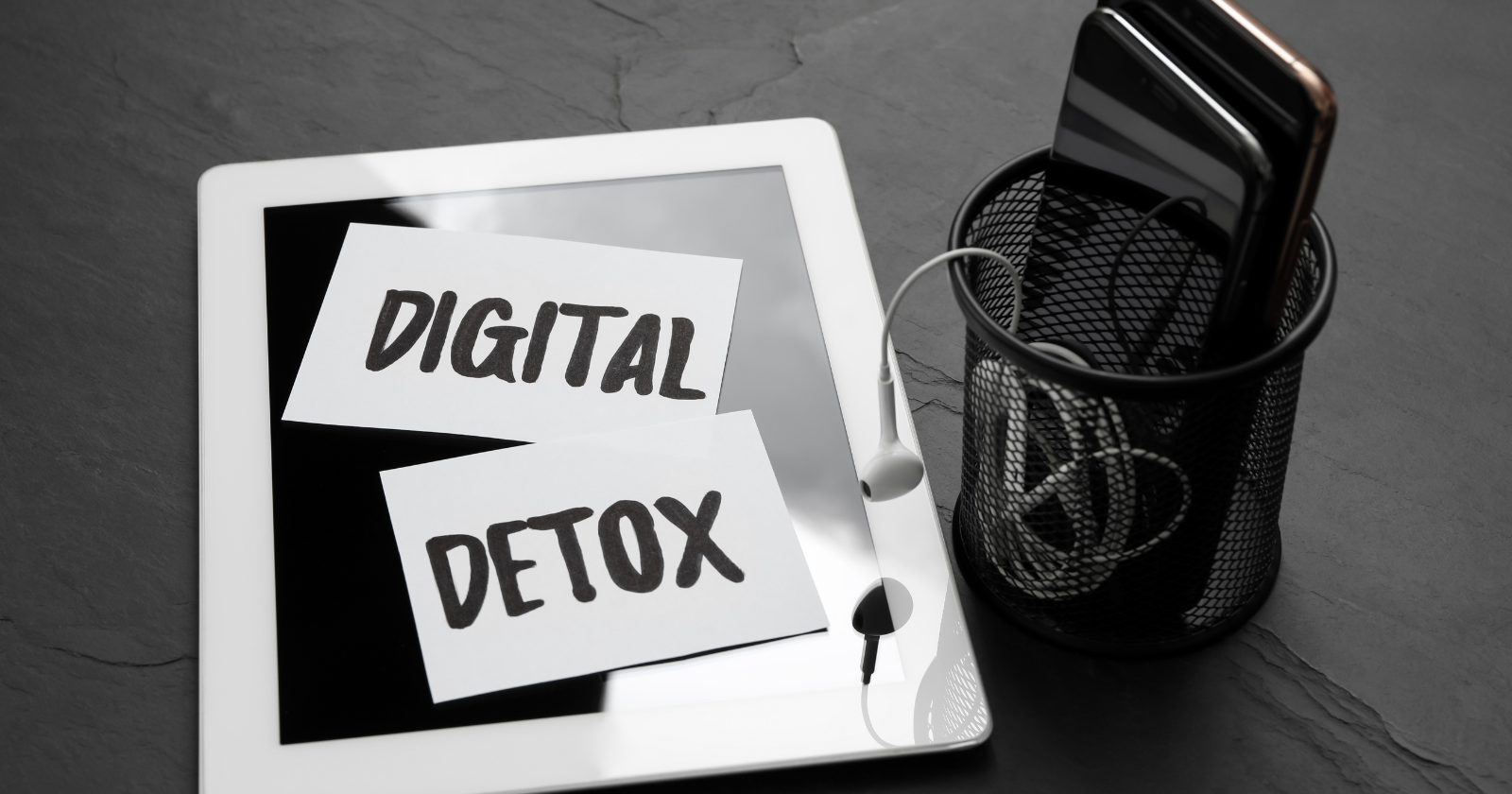 I realized something embarrassing when I looked at my screen-time report: my phone wasn’t just a distraction, it was my default escape hatch.
Every time a task felt too big, too unclear, or too uncomfortable, I reached for dopamine.
So I made it inconvenient.
I put my phone in another room while I worked.
I turned off almost all notifications.
I even moved certain apps off my home screen so I physically couldn’t tap them without thinking.
When I’m working on photography edits or writing articles like this, my phone might as well be in another state.
And here’s the wild part: my mind actually feels quieter.
Like someone turned down the volume knob on my brain.
Once you cut the distraction at the source, discipline suddenly doesn’t require so much effort.
You’re not battling your environment every five minutes.
6) I started attaching my habits to identity, not outcomes
This one was a game-changer.
For years I told myself, “I need to be more disciplined,” which made me feel like discipline was some magical trait other people were born with.
Then I flipped the script.
Identity first, behavior second.
Instead of saying, “I need to work out,” I said, “I’m someone who moves my body every day.”
Instead of saying, “I should write more,” I said, “I’m a writer who shows up even when the words come slowly.”
It sounds subtle, but identity-driven habits stick because they reinforce who you believe yourself to be.
Outcomes are fickle. Identities endure.
And once you shift your identity, discipline becomes less about forcing yourself and more about acting in alignment with who you are.
7) I made rest a real part of discipline
This one surprised me.
For most of my twenties, I treated rest like a reward I could only earn after grinding myself into dust.
Which of course meant I never rested properly.
When I started approaching self-discipline more seriously, I realized something obvious: rest isn’t the opposite of discipline, it’s part of it.
So I started scheduling rest the way you’d schedule meetings or workouts.
Sometimes that means a slow walk after dinner.
Sometimes it’s an afternoon nap after a heavy writing session.
Sometimes it’s a Sunday afternoon spent flipping through a photography book or listening to some mellow indie tracks.
The more intentional I was with rest, the more sustainable my discipline became.
Burnout doesn’t happen because you’re disciplined.
It happens because you refuse to balance the discipline with recovery.
8) I held myself accountable with tiny daily check-ins
The final piece was accountability.
Not the dramatic kind.
The simple kind.
Every night I ask myself three quick questions:
What did I show up for today?
What did I avoid today?
What one thing can I do tomorrow to make discipline easier?
It takes maybe three minutes.
Some nights the answers sting.
Some nights they feel like a quiet win.
But the point is noticing patterns.
If I’ve avoided the same task three days in a row, I know I need to break it down.
If I’ve shown up for something consistently, I celebrate it.
These check-ins turned discipline from something abstract into something trackable.
And when you track something, you can improve it.
Final thoughts
I didn’t wake up one day disciplined.
I built it one small daily habit at a time.
If you see yourself in any of this, good.
It means you’re aware.
And awareness is where change begins.
Try one habit. Then another.
Give yourself time.
Momentum builds quietly.
You might be surprised how quickly “I’m a procrastinator” turns into something entirely different.
If You Were a Healing Herb, Which Would You Be?
Each herb holds a unique kind of magic — soothing, awakening, grounding, or clarifying.
This 9-question quiz reveals the healing plant that mirrors your energy right now and what it says about your natural rhythm.
✨ Instant results. Deeply insightful.