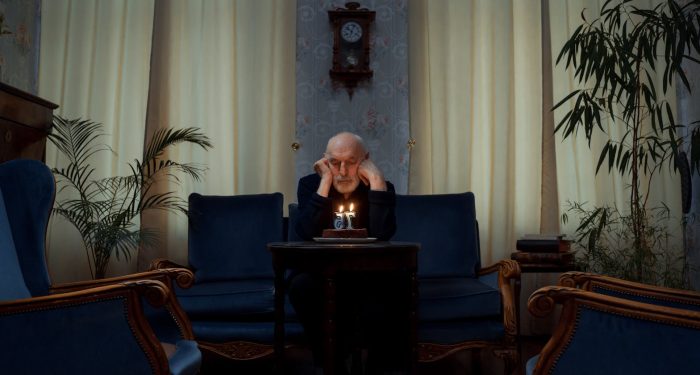
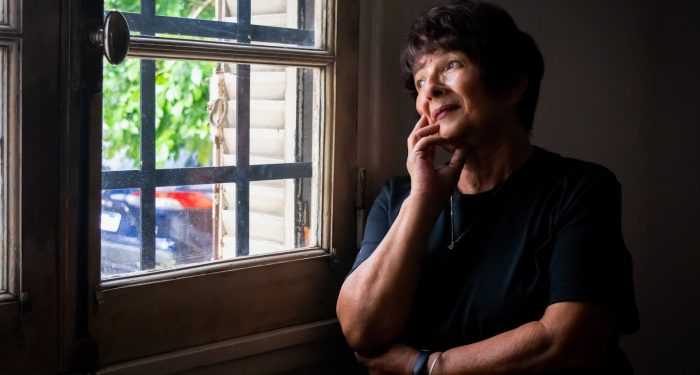
Standing in that hospital room watching my son sob while holding his minutes-old daughter against his bare chest, I realized he'd become the father I never knew how to be—not despite my failures, but because he'd studied them like a roadmap of wrong turns.
When my son's daughter was born three weeks ago, I stood in the corner of a hospital room watching my son cradle his newborn daughter against his bare chest. The baby was maybe twenty minutes old, still covered in that waxy vernix, making those tiny mewling sounds that new humans make.
My son was sobbing. Not the dignified single-tear variety, but the full-body, shoulders-shaking kind that makes your nose run. Between gulps of air, he looked at his wife and said, "You're incredible. You just did the most amazing thing I've ever seen."
I had to leave the room. Not because I was overwhelmed by the beauty of the moment, though it was beautiful. I left because I was drowning in the realization that my son had just done three things in his first minutes as a father that I never did when he was born.
And the kicker? The reason he's so good at this is because he watched me fail at it and chose a different path.
The shirt stayed on because that's what men did
When my son was born thirty-three years ago, I held him like he was made of glass and might shatter. Fully clothed, sitting in that uncomfortable hospital chair, I remember thinking I should probably look more comfortable than I felt.
The nurse had mentioned something about skin-to-skin contact, but I laughed it off. That was for mothers, surely. I was there to be the rock, the provider, the guy who knew what to do even when I absolutely didn't.
Watching my son pull off his shirt without hesitation, without anyone having to suggest it, I saw what I'd missed. He wasn't performing fatherhood; he was living it. That little girl settled against his chest, her heartbeat syncing with his, and I understood that I'd confused distance with strength for most of my adult life.
The restaurant business taught me plenty about reading people, about knowing what they needed before they asked. I could spot a couple on their first date from across a dining room, knew which regular was going through a divorce by how they held their wine glass.
But I couldn't read my own son when he needed me to just be present, skin to skin, human to human. I was too busy maintaining the image of what I thought a father should look like.
Men didn't cry, especially not in front of their children
I didn't cry when my son was born. I didn't cry when my marriage fell apart seven years later. I didn't even cry when my own father died, at least not where anyone could see me. I saved my tears for late-night drives and locked bathroom doors, as if emotional constipation was some sort of virtue.
My son's tears in that delivery room weren't just about joy. They were about fear and wonder and love and probably exhaustion all mixed together in that emotional smoothie that comes with massive life changes.
His wife was crying, the baby was crying, hell, even his mother-in-law was crying. And there he was, adding his voice to the chorus instead of standing apart from it like I did.
The stupid thing is, I had feelings. Mountains of them. When my son was born, I felt like my chest might explode from the sheer terror and joy of it all. But I packaged it all up neat and tidy, smiled for the camera, and told everyone I was "doing great." As if having a child was something to be endured rather than experienced.
I spent decades in kitchens where showing weakness meant you'd get eaten alive. You burned yourself on a pan? Walk it off. Going through a divorce? Leave it at home.
But that armor I built to survive dinner rushes and hostile work environments became the same armor that kept me from connecting with the people who actually mattered.
Acknowledging what she went through meant admitting I couldn't do it myself
When my son told his wife she was amazing, that she'd just done something incredible, I felt a hot shame wash over me.
I don't remember what I said to my first wife after our son was born. Probably something practical like "he's healthy" or "you did good." As if she'd just parallel parked successfully instead of literally creating and delivering life.
I grew up in a generation where acknowledging a woman's strength somehow diminished our own. What a ridiculous equation that was. My son understands what took me thirty years to learn: recognizing someone else's power doesn't drain yours. It multiplies it.
His wife had just gone through sixteen hours of labor. She'd pushed a human being out of her body while he held her hand and tried not to pass out. And instead of making it about him, about how he'd survived the ordeal of watching, he made it about her. He witnessed her strength and named it out loud, right there in front of everyone.
I think about my divorce, how my son was seven when his world split in two. He once told me, years later, "I just wanted you to show up, Dad." Not to fix things, not to be perfect, just to show up. That sentence rewired something in my brain. My son learned to show up for his wife in that delivery room because he knew what it felt like when someone didn't.
The grandson who broke the pattern
Here's the thing about being a grandfather: you get a second chance at getting it right, but the real gift is watching your children surpass you. My son is raising his daughter to expect emotional availability from the men in her life.
She's four now, and I've seen him cry in front of her when their dog died, hold her skin-to-skin when she has nightmares, tell her mother she's amazing just for surviving a random Thursday with a toddler.
My stepdaughter's son is two, and even with him, I'm different. I'm the grandfather who gets on the floor, who doesn't care if his shirt gets dirty, who isn't afraid to be silly or sad or scared in front of him. It took me six decades to realize that vulnerability isn't weakness; it's the only real strength there is.
Sometimes I wonder if my son consciously decided to be different or if he just followed his instincts. Either way, he looked at the model I provided and improved upon it. That's evolution, I suppose. That's the point.
Final words
Standing in that hospital room, I felt the peculiar pride that comes from raising someone better than yourself.
My son didn't become a better father in spite of me but because of me—both because of what I got wrong and what I eventually got right. He took the lessons, both the ones I meant to teach and the ones I didn't, and built something new.
The shame I felt has faded into something more like gratitude. My failures became his roadmap for a different route, and three weeks ago, I watched him arrive exactly where he needed to be.
What’s Your Plant-Powered Archetype?
Ever wonder what your everyday habits say about your deeper purpose—and how they ripple out to impact the planet?
This 90-second quiz reveals the plant-powered role you’re here to play, and the tiny shift that makes it even more powerful.
12 fun questions. Instant results. Surprisingly accurate.