The silence that replaces those running footsteps teaches you that love shape-shifts with age—and while you'll grieve what's lost, you might be surprised by what takes its place.

Add VegOut to your Google News feed. 
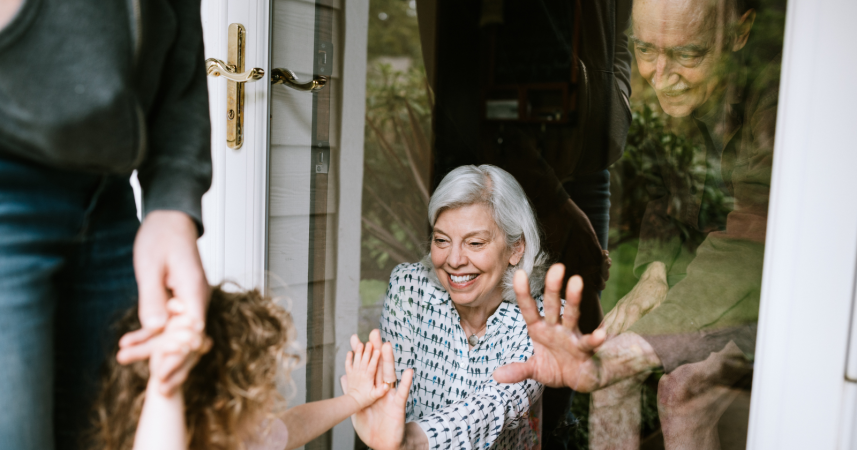
Last Tuesday, I stood at my daughter's front door for what felt like an eternity, holding a bag of homemade cookies and listening to the sounds inside. The television was on. I could hear my grandson's voice, animated about something happening in his video game.
But there were no running footsteps. No excited shouts of "Grandma's here!" Just the quiet click of the lock turning when his mother finally answered.
It happened so gradually that I almost missed it. One visit, my youngest grandchild was still flying down the hallway, arms outstretched. The next visit, he walked. The visit after that, he called "Hi, Grandma" from the couch without looking up. And just like that, the magic window closed.
If you're a grandparent, you know this moment. It arrives without warning, somewhere between their tenth and thirteenth birthday, though every child keeps their own schedule. One day you're the most exciting person in their world, and the next, you're just... there.
Part of the landscape of their lives, loved but no longer an event.
The golden years that slip through our fingers
Those early years of grandparenting feel infinite when you're living them.
Every visit is a celebration. You're the keeper of treats, the reader of extra bedtime stories, the one who says yes when parents say no. Your arrival means something special is about to happen, even if it's just a walk around the block or making pancakes on a random Wednesday morning.
I remember when my first grandchild was born. Holding that tiny bundle reminded me what hope feels like, pure and uncomplicated. Every milestone felt monumental. First smile, first word, first time they reached for me specifically. These moments rebuilt something in my heart I didn't even know needed rebuilding.
During those magical years, being a grandparent felt like parenting with more wisdom and less exhaustion. You get to give them back at the end of the day, yes, but more than that, you've learned what actually matters.
You don't sweat the small stuff because you know how fast it all goes. You've already learned that finger paint on the walls isn't a crisis and that bedtime can be flexible when there are stars to count.
When the shift begins
Have you noticed how it starts with small things? They used to tell you everything, every thought that crossed their mind, every drama from school, every joke they heard. Then gradually, their answers get shorter. "How was school?" becomes a conversation ender rather than a starter. "Fine" becomes their favorite word.
They develop their own interests that feel foreign to you. Video games you don't understand. Music that sounds like noise. Friends who become more important than family dinners. This is natural, healthy even. They're becoming their own people. But knowing that doesn't make it hurt less when they'd rather stay in their room than bake cookies with you.
The hardest part? They still love you. This isn't about love. When my teenage grandchildren hug me now, I can feel the affection is real. But it's different. It's dutiful rather than desperate. It's appreciation rather than adoration.
Learning to love differently
After thirty-two years of teaching high school, I thought I understood teenagers. But being a grandmother to teenagers is entirely different from being their teacher. In the classroom, I was supposed to be somewhat distant, professional. As a grandmother, I have to learn to give them space while somehow staying close.
I've discovered that the key is to stop trying to recreate what we had and start building something new. My adventure days with each grandchild, which I've done annually since they were small, have evolved.
The eight-year-old still wants to go to the zoo. The twenty-two-year-old? We go to coffee shops and actually talk, adult to adult, about real things. Different, but precious in its own way.
Every other Saturday, I still take whoever wants to come to the library. The teenagers rarely join anymore, but when they do, they're choosing to be there. They browse different sections now, and we don't read together, but we're sharing space and time. Sometimes that's enough.
The unexpected gifts of this new phase
Here's what surprised me: when they stop needing you so desperately, they start seeing you as a person. My older grandchildren ask me questions about my life now, about what it was like when I was young, about their parents as children.
These conversations wouldn't have happened when they were six and thought I existed solely to make them grilled cheese sandwiches.
Last month, my oldest grandchild called me just to talk. Not because her mother told her to, not because it was my birthday, but because she was thinking about career choices and remembered something I'd said about following your passion even when it's scary. We talked for an hour. It was different from those days when she'd run to the door, but it was real and deep and meaningful.
Do you know what else I've discovered? Being a great-grandmother at this stage has given me a second chance at those running-to-the-door moments. My two-year-old great-grandchild squeals when I arrive, and I'm trying to be more present for it this time, knowing how quickly it passes.
Final thoughts
That moment when they stop running to the door changes you because it forces you to accept that your role in their lives is shifting, not ending. You're moving from being the sun they orbit around to being a steady star in their expanding universe. It's a demotion of sorts, but also a promotion to something more complex and ultimately more sustainable.
The grief is real, and it's okay to feel it. But on the other side of that grief is a different kind of relationship, one built on respect and genuine connection rather than just the uncomplicated adoration of childhood.
They may not run to the door anymore, but when they choose to open it, when they choose to share their lives with you, it means something different. Something more.