Baby boomers have a secret pre-departure ritual that keeps them from ever being stranded, locked out, or caught unprepared — habits that seem almost alien to younger generations glued to their smartphones.

Add VegOut to your Google News feed. 
Last week, I watched my twenty-something neighbor dash out of her apartment, phone in hand, only to return thirty seconds later looking sheepish. "Forgot my keys again," she laughed, waiting for her roommate to buzz her back in. Meanwhile, I stood there with my purse, having just completed my mental checklist, the same one I've been running through for decades. It struck me then how different our generations approach the simple act of leaving home.
There's something almost ritualistic about the way those of us born between 1946 and 1964 prepare to face the world outside our front doors. We developed these habits in an era before smartphones could solve every problem, before Uber could rescue us from being stranded, and before digital everything made physical items seem almost quaint.
These checks have become so ingrained that we barely notice we're doing them, yet they reveal a fundamental difference in how we move through the world.
1) The weather check through an actual window
While younger folks might glance at a weather app, I still pull back the curtain and actually look outside. There's something about feeling the quality of light, watching how the trees move, that tells me more than any forecast. This morning ritual connects me to the day in a way that numbers on a screen never could.
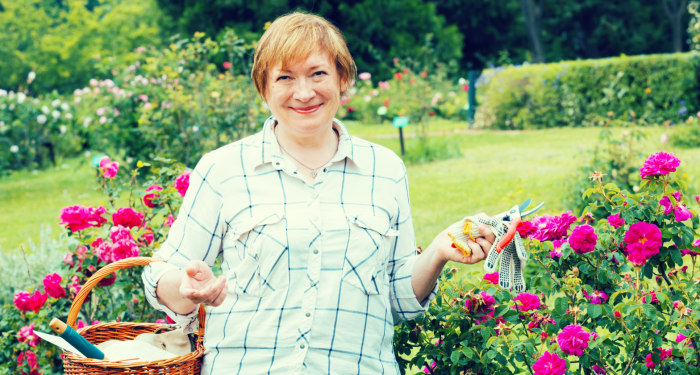
I can spot the particular gray that means rain within the hour, or the way the air shimmers when it's going to be one of those scorchers. My cottage garden has taught me to read these signs over thirty years of watching what makes the roses thrive or wilt.
2) The physical pat-down for reading glasses
You haven't lived until you've squinted helplessly at a restaurant menu, pretending you're just being thoughtful about your choices. Since I started wearing bifocals, I've developed what my Thursday coffee friend calls "the spectacle pat" - that quick touch to make sure they're hanging from the chain around my neck or tucked in my purse. Young people with their perfect vision have no idea how helpless you feel when you can't read the simplest things.
At least now I can see my wrinkles clearly, which is either a blessing or a curse depending on the day.
3) The checkbook confirmation
Yes, I still carry checks. When the local farmer's market vendor doesn't take cards, or when I need to pay the kid who mows lawns in the neighborhood, that little rectangular book comes in handy. Younger people look at me like I've pulled out a quill and inkwell, but there are still places in this world that operate on paper and promise. Besides, there's something satisfying about physically writing out a payment, watching the carbon copy appear beneath.
4) The spare house key in the hidden spot
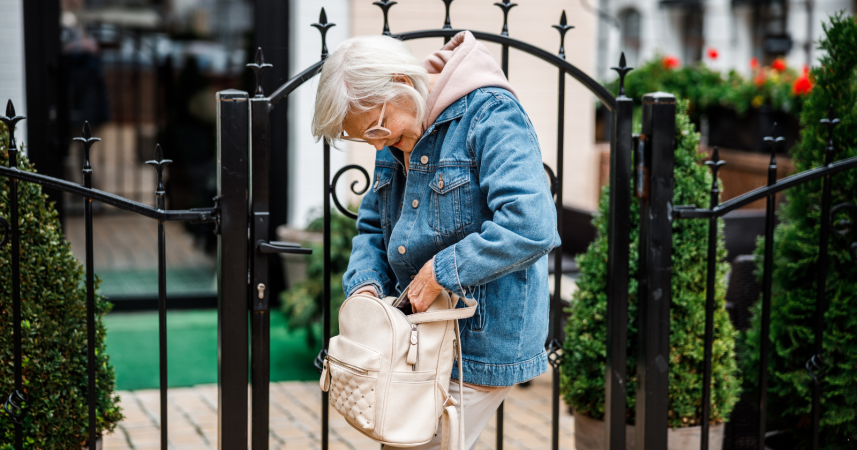
This is the one that saves us every time. We don't just carry our keys; we have a whole system. There's the spare key hidden somewhere on the property (and no, I won't tell you where mine is), the one with the trusted neighbor, and sometimes even one in the car. We learned this the hard way, back when calling a locksmith meant finding a payphone and hoping someone would answer.
Now, while others get locked out waiting for expensive emergency services, we're retrieving our carefully placed backup plan. It's not paranoia; it's the wisdom of having been stuck outside one too many times before cell phones existed.
5) Cash in multiple denominations
Remember when "the network is down" meant you couldn't buy groceries? We do. That's why there's always a twenty tucked in one pocket, some ones and fives in another, and maybe a secret fifty hidden in the wallet's back compartment.
During those two years when I had to use food stamps to feed my children, I learned that payment methods can fail you when you need them most. Having cash meant dignity when the card reader wouldn't accept what marked me as struggling. Now it means never being caught helpless when technology fails.
6) The medication check
Whether it's prescription pills, antacids, or just aspirin, we've learned our bodies don't always cooperate with our plans. That little pill container isn't just about current ailments; it's about being prepared for the unexpected headache, the surprise back twinge, or the friend who forgot their blood pressure medication. We've reached the age where our bodies occasionally ambush us, and being prepared is just good sense.
7) The written list
Not a phone note, not a mental note, but an actual piece of paper with actual writing. There's something about physically writing things down that makes them stick in my mind. Plus, when my phone dies (because I forgot to charge it, unlike my younger friends who seem permanently tethered to power banks), that list is still there. I can cross things off with the satisfaction that only comes from making a physical mark.
8) The "proper" handkerchief or tissues
We grew up in an era when having a tissue ready was simply good manners. You offered it to others, you had it for yourself, and you never knew when someone might need one. It's such a small thing, but it represents a kind of preparedness for life's little emergencies that seems to have gotten lost in our rush toward minimalism.
9) The landline number memorized
We still know phone numbers by heart - our home, our best friend's, maybe our doctor's office. When younger folks lose their phones, they lose access to everyone they know. We can still walk up to any phone and call the important people in our lives. My brain still holds the pattern of numbers I've dialed thousands of times, a mental backup system that requires no battery or signal.
Final thoughts
These habits might seem quaint or even unnecessary in our digital age, but they represent something deeper than simple preparedness. They're about maintaining autonomy in a world that increasingly requires us to depend on technology and systems that can fail.
Every time I run through my leaving-the-house ritual, I'm declaring a small independence, a self-sufficiency that comes from decades of learning what can go wrong and how to handle it. Maybe that's the real difference between generations - not just what we check for, but why we check at all.