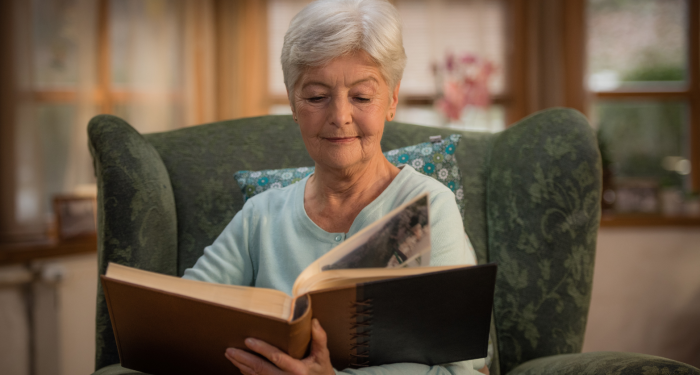
Behind closed doors and drawn curtains, your aging parents and grandparents perform secret rituals in the hollow silence after you leave—rituals so tender and telling that witnessing just one would forever transform how you say goodbye.

Add VegOut to your Google News feed. 
The sound of car doors closing, engines starting, and voices calling final goodbyes through rolled-down windows slowly fades into silence. The front door clicks shut, and suddenly the house that was just filled with laughter, conversation, and the beautiful chaos of family becomes still.
If you could become invisible and watch what happens next in the homes of your parents or grandparents, you might never see your visits the same way again.
Last week, after my grandchildren left following Sunday dinner, I caught myself doing something that made me pause. I was standing at the kitchen window, watching their taillights disappear around the corner, and I realized I was holding my breath.
When I finally exhaled, it came out as something between a sigh of relief and a sob of loneliness. That moment made me think about all the things we do in that tender hour after our families leave, things that would break and remake your heart if you knew.
1. They stand at the window longer than you'd think
We don't just wave goodbye and turn away. Many of us stand there, sometimes for five or ten minutes, watching the empty street where your car just was.
It's not that we're sad exactly. It's more like we're trying to hold onto the warmth you brought into our homes for just a few more moments. We're memorizing the feeling of having you here, storing it up like squirrels preparing for winter.
I've noticed that my neighbor does the same thing. We've never talked about it, but sometimes I see her curtain move just slightly after her son's family drives away. We're all doing this quiet ritual of transition, moving from the fullness of family to the quietness of solitude.
2. They sit in the chair you just left
This might sound strange, but bear with me. After everyone leaves, I often find myself sitting in the exact spot where one of you just was.
Maybe it's the kitchen chair where my granddaughter was telling me about her college plans, or the couch cushion that still holds the indent from where my son was sitting. The seat is still warm, and somehow that residual warmth feels like a gift.
It's not about missing you already, though that's part of it. It's about trying to see our home through your eyes, to understand what you experience when you're here. Sometimes I can still smell your perfume or cologne, and I don't want to disturb the air too much because it makes me feel less alone.
3. They cry, but not always from sadness
Yes, we cry sometimes. But it's not the kind of crying you might imagine. It's not always the tears of lonely old people feeling sorry for themselves. Sometimes they're tears of gratitude that you still come, that you still care, that you haven't forgotten us even though your lives are so full and demanding.
Sometimes they're tears of worry about something we noticed but didn't mention. Did you look tired? Did you seem stressed? We saw it, but we didn't want to burden you during our precious time together.
And sometimes, honestly, they're tears of relief that we managed to get through the visit without you noticing how much harder it's getting to keep up appearances.
4. They immediately replay every conversation
Within minutes of your departure, we're replaying every word exchanged, analyzing every moment. Did I talk too much about my health? Did I remember to ask about that important meeting you had last week? When you mentioned that thing about your spouse, should I have said something different?
We scrutinize our own performance like actors reviewing their footage. Because here's what you need to know: we're often performing when you visit. Not in a dishonest way, but in the way that we want to be our best selves for you.
We want to be the parents or grandparents you remember, not the ones who struggle to open pickle jars or forget where they put their reading glasses for the fifth time today.
5. They clean up more slowly than necessary
You might think we'd be eager to get the dishes done and the house back in order, but the truth is we often move through the cleanup in slow motion.
Each plate I wash held food that we shared. Every glass I dry touched your lips. These mundane tasks become almost meditative, a way of extending the visit just a little bit longer.
I find myself saving certain things for last. The coffee cup you used? That might sit on the counter for an hour while I clean everything else. It's evidence that you were here, that this afternoon wasn't just another Sunday but a Sunday when my family filled these rooms with life.
6. They look at every photo you're in
After you leave, many of us go on a little tour of our own homes, stopping at every photograph that includes you.
We trace the progression of your lives through these frozen moments. There you are at five with that gap-toothed grin. There at sixteen, trying to look serious for your school photo. There on your wedding day, radiant with hope.
We wonder if you know that these photographs aren't just decorations to us. They're proof that we were part of something bigger than ourselves, that our lives mattered because they led to yours. When the house feels too quiet, these images remind us that the silence is temporary, that you'll be back.
7. They eat the leftovers alone and think of you
That piece of pie you didn't finish? The extra portion of lasagna I insisted you were too full to take home? I eat them slowly over the next few days, and every bite brings back the conversation we had over dinner. Food becomes a time machine, taking me back to when my kitchen was full of your voices.
Sometimes I even set the table properly, just for myself, because eating alone at a fully set table while remembering our meal together feels less lonely than admitting I'm eating standing over the sink. As I wrote in my piece about finding purpose after loss, these small rituals of dignity matter more than we often admit.
8. They start counting the days until you'll return
Before your car has even reached the highway, we're already calculating when we might see you again.
We mark our calendars, not just with the actual date if you've mentioned it, but with hopeful question marks on weekends that seem possible. We plan what we'll cook, what we'll talk about, what we might do differently next time.
This planning isn't desperation; it's hope. It's what keeps us going on the difficult days. The anticipation of your next visit becomes a light at the end of whatever tunnel we might be walking through.
We know you have busy lives, and we try not to pressure you, but you should know that the prospect of seeing you again is sometimes what gets us out of bed on the mornings when our bodies protest and our hearts feel heavy.
Final thoughts
If you could see us in that hour after you leave, you'd understand that your visits are not just events in our lives; they're the punctuation marks that give meaning to our sentences. You'd see that we're doing our best to balance our profound need for your presence with our desire not to be a burden.
Most importantly, you'd understand that the love we feel for you doesn't diminish when you drive away; it simply changes form, becoming a patient, quiet companion that waits with us until you return.