From sewing machines humming in living rooms to card games around kitchen tables, the everyday hobbies that once filled every boomer household have vanished so completely that today's garage sales are littered with mysterious tools their young inheritors can't even identify.

Add VegOut to your Google News feed. 
Walking through my neighborhood last week, I noticed something peculiar. The garage sale down the street had tables full of sewing machines, knitting needles, and woodworking tools, all priced to move quickly. The young couple hosting the sale admitted they'd inherited these items but had no idea how to use them. It struck me then how many everyday hobbies from my generation have quietly slipped away from modern households, replaced by screens and subscription services.
Growing up, these activities weren't just hobbies. They were the rhythm of daily life, the background music of our childhoods. Every home had its own particular blend of creative pursuits and practical skills that filled the hours between dinner and bedtime, the long Saturday afternoons, the quiet Sunday mornings.
1) Sewing and mending clothes
My mother's sewing machine had its own dedicated corner in our living room, humming away most evenings like a contented cat. She taught me that creativity and practicality could coexist beautifully in one simple skill. Back then, every household had someone who could hem pants, replace buttons, or whip up a Halloween costume from scratch.
These days, when I mention darning socks or patching jeans, younger folks look at me as if I'm speaking a foreign language. Why repair when you can replace for the price of a coffee? But there was something deeply satisfying about extending the life of a beloved garment, about knowing you could fix what was broken rather than simply discarding it.
2) Letter writing as an art form
Remember the thrill of checking the mailbox and finding an actual letter addressed to you? Not a bill, not an advertisement, but a real letter with your name written in familiar handwriting? Every household had a drawer full of stationery, good pens, and stamps. We wrote thank you notes, birthday wishes, and long letters to distant relatives.
Just last year, I discovered old letters in my parents' attic that revealed a family history I'd never known. These weren't just messages; they were artifacts, complete with pressed flowers, sketches in the margins, and the faint scent of my grandmother's perfume. Today's quick texts and emails serve their purpose, but they'll never capture the anticipation of waiting for a reply or the weight of holding someone's thoughts in your hands.
3) Canning and preserving
Late summer meant every kitchen transformed into a small factory. Steam rose from massive pots while rows of mason jars stood at attention on the counter. We canned tomatoes, made jam from backyard fruit, and pickled everything we could get our hands on. The pantry shelves groaned under the weight of our preparations for winter.
Now I make soup every Monday using whatever needs to be used up from the week before, a habit that would seem perfectly normal to my mother but strikes my younger neighbors as either quaint or slightly obsessive. The idea of preserving your own food has become the domain of specialty hobbyists rather than a standard household practice.
4) Playing card games as a family
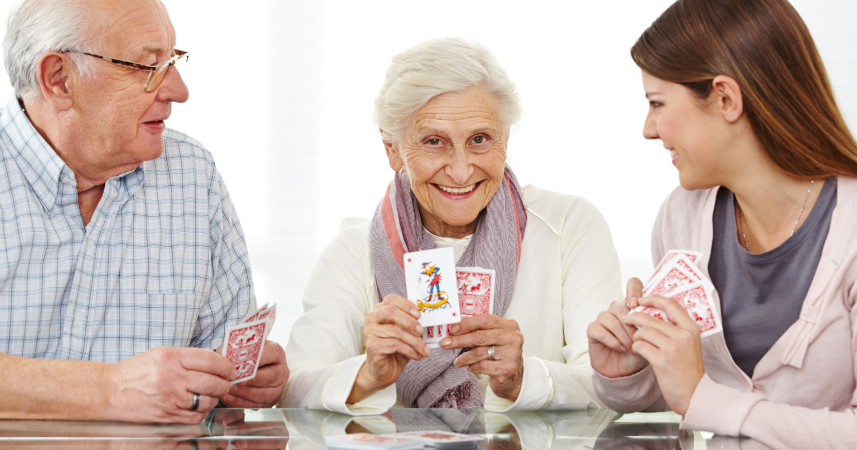
Do you remember when every coffee table had a deck of cards tucked in a drawer? Evenings meant gathering around the kitchen table for rummy, hearts, or pinochle. These weren't special occasions; they were Tuesday nights. We learned math through keeping score, strategy through watching the adults play, and patience through waiting our turn.
Card games taught us to read faces, to bluff with confidence, and to lose with grace. No wifi required, no charging necessary. Just a worn deck of cards and the willingness to sit face to face with other human beings for an hour or two.
5) Collecting stamps or coins
Every family seemed to have at least one collector. Maybe it was dad with his coin collection carefully organized in special books, or a sibling obsessed with stamps from exotic countries. These collections lived in bedroom drawers and emerged during rainy afternoons or when company came to visit.
Collecting taught us about geography, history, and the value of patience. You couldn't simply order the exact stamp you needed online; you had to hunt for it, trade for it, wait for it to appear. The thrill was in the search as much as the finding.
6) Woodworking and home repairs
The garage or basement workshop was a standard feature in most homes. Fathers and grandfathers (and plenty of mothers too) could build a bookshelf, fix a squeaky door, or craft a toy from scratch. The smell of sawdust and the sound of hammering were weekend constants.
Today, when something breaks, we call someone or buy a replacement. The idea of fixing it ourselves seems almost radical. But there was pride in maintaining your own home, in passing down these skills like family recipes. Every scraped knuckle and misaligned shelf was a lesson in self-sufficiency.
7) Gardening for food, not just beauty
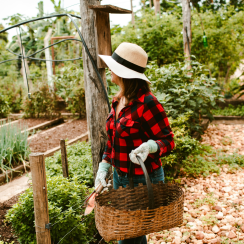
Victory gardens might have been before our time, but vegetable gardens certainly weren't. Nearly every yard had at least a small patch dedicated to tomatoes, beans, or squash. We knew the seasons not just by the calendar but by what was ready to harvest.
I've maintained an English cottage garden for 30 years now, mixing flowers with vegetables in a way that would have seemed perfectly normal to earlier generations. The young couple next door is fascinated by the idea that you can actually grow your own food, as if I've discovered some ancient magic rather than simply continued what every household once did.
8) Reading as the default evening activity
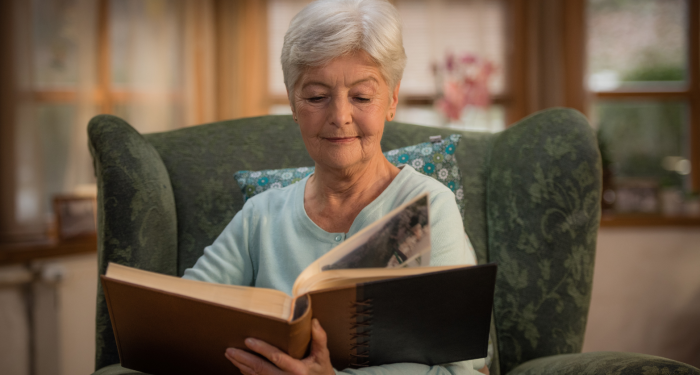
Before Netflix, before cable, even before we had more than three television channels, reading was what you did after dinner. Every home had bookshelves, magazine subscriptions, and library cards that saw regular use. Reading wasn't something you scheduled; it was what naturally happened when you sat down.
As Virginia Woolf wrote, "Books are the mirrors of the soul." We saw ourselves in stories, learned about the world through pages, and passed dog-eared paperbacks around like treasured gifts. The quiet rustle of turning pages was the soundtrack of evening.
Final thoughts
These hobbies shaped us in ways we're only now beginning to understand. They taught patience in an instant world, creativity in a consumer culture, and self-reliance in an age of specialists for everything. While I don't believe in nostalgia for its own sake, I do wonder what we've lost in the trade.
Perhaps the answer isn't to abandon progress but to consciously choose which traditions deserve preservation. After all, the ability to make something with your own hands, to fix what's broken, to create rather than simply consume, these skills transcend generations. They're not outdated; they're timeless.