The goal isn’t to raise kids who never get a scratch. It’s to raise people who know how to weigh a choice, take a smart risk, and walk themselves home when the streetlights flicker on.
Nostalgia is powerful. It edits out the broken bones and remembers the fireflies.
If you grew up in the late 50s through the 70s, there’s a good chance your childhood came with a level of freedom—and risk—that would send modern parents into a group text panic. I’m not here to dunk on any generation. I’m more interested in what these differences say about how our brains judge risk, how norms shift, and what we can actually learn from the gap.
Let’s get into it.
1) Riding in cars without seat belts
Ask a boomer about road trips and you’ll hear about station wagons filled like a game of Tetris. Kids sprawled in the way back, trading comic books, no belts in sight. Some even napped on the rear package shelf under the back window like cats.
Today? You can’t leave the driveway without clicks all around, booster seats properly installed, chest clips at armpit level, and a YouTube tutorial to double-check the angle.
Why the change? Partly better data, partly shifting norms. What feels risky is often whatever is new or talked about. When seat belts were optional, not wearing them felt normal. That’s the “normalcy bias” at work—our brains confuse common with safe.
What I take from this isn’t that one era was brave and the other is scared. It’s that safety culture moves in steps. Once you see the trade-off—tiny effort, huge upside—you can’t unsee it. Belts became habit. Habits become norms.
2) Hitchhiking and casual rides
If you were a teen in the 60s or 70s, holding a cardboard sign at the highway on-ramp wasn’t outrageous. We romanticize it now with grainy film photos and folk music, but it was a real transportation plan for a lot of young people. Neighbors also offered rides to kids they’d barely met. “Hop in!”
To current parents, that sentence reads like the opening scene of a true-crime documentary. Stranger danger flipped a cultural switch in the 80s and 90s. Trust narrowed to known circles. The idea of your kid getting into a car with an unknown adult is a hard no.
Here’s the nuance: not all “unknowns” are equal. Communities with thick social fabric often had layers of informal vetting—your friend’s mom’s coworker was, in practice, not a total stranger. It doesn’t erase the risk, but it explains why it felt different then.
Today we’ve outsourced trust to platforms and ratings. We’ll climb into a rideshare with a driver we’ve never met because five stars and GPS tracking make it feel safe. Different tools, same human craving: a way to move through the world that balances freedom and protection.
3) Biking and skating without helmets
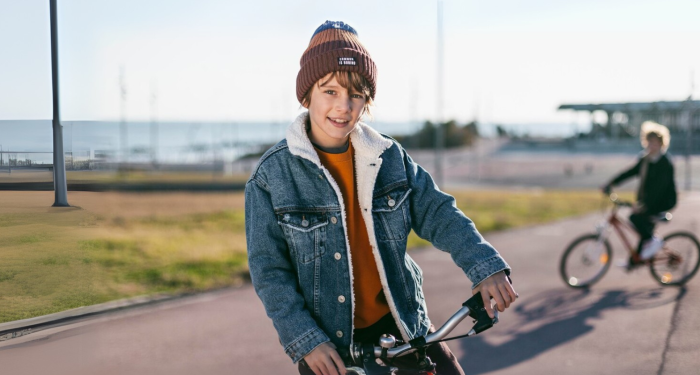
Boomer childhood looked like wind in your hair and knees full of gravel. Helmets were for football, not for Schwinns. Roller skates clacked on sidewalks, and the only padding you had was a worn-out pair of jeans.
When I learned to ride, helmets were already a thing, but I still have a scar on my elbow from a too-fast turn down a steep street. I can’t help but think about how many head injuries were brushed off back then as “just a knock.”
This is risk homeostasis in action. Humans tend to adjust behavior to maintain a target level of risk. If safety gear improves, some people go faster. If there’s no gear, some people go slower (or… don’t). The sweet spot is gear plus good judgment.
If you want a simple litmus test for whether a practice is a ritual or a rule—ask what happens when it’s inconvenient. If the helmet “forgotten” becomes a ride skipped, it’s a rule. If it becomes “We’ll be careful,” it’s a ritual. Happy middle ground? Helmets that fit, look good, and live right by the door so they actually get used.
4) Roaming the neighborhood unsupervised
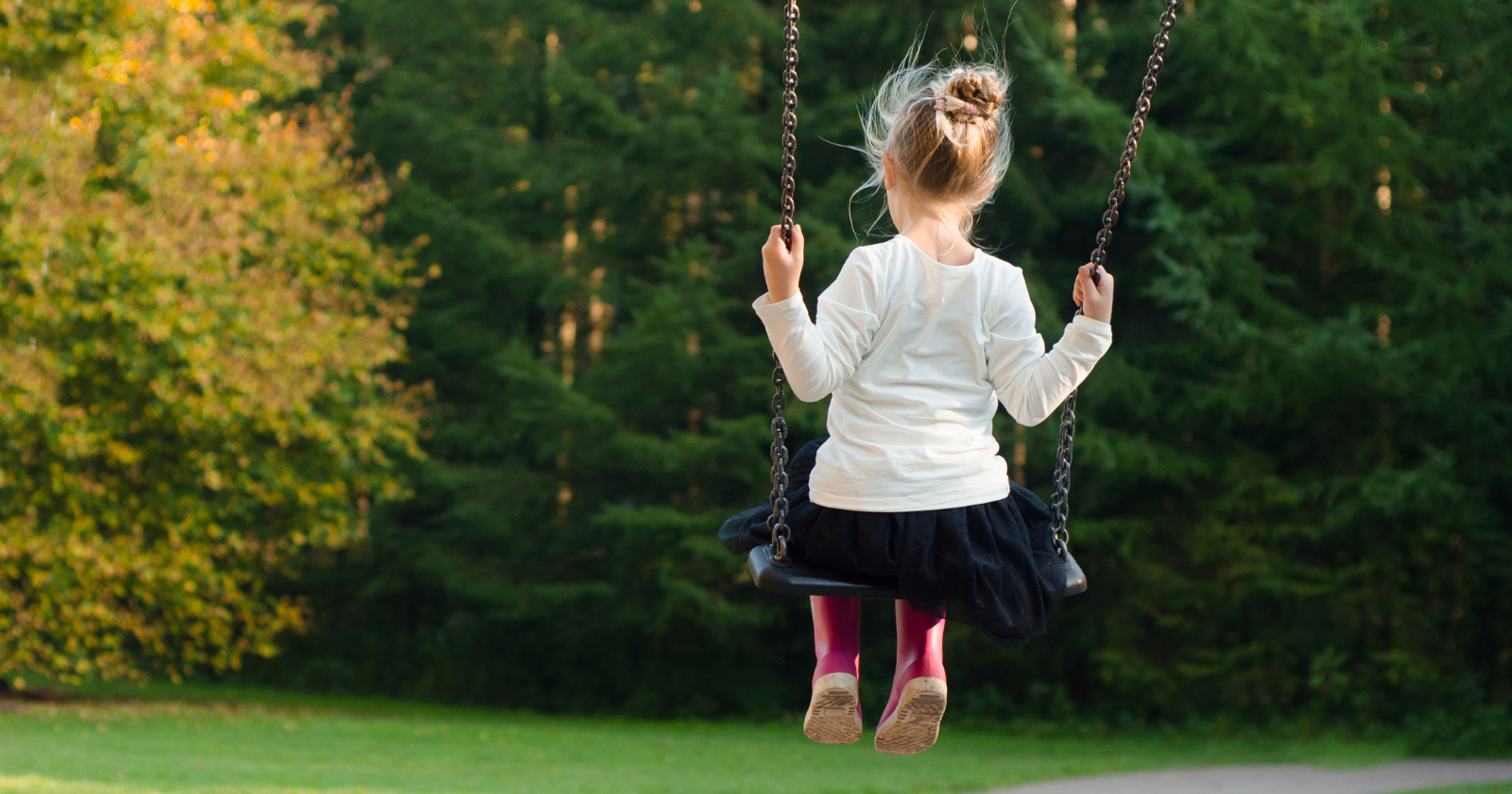
“Be home when the streetlights come on.” That was the rule. Kids built bike ramps, explored creeks, and negotiated playground politics without a parent in sight. If you needed water, you drank from a stranger’s hose. If you fell in the mud, you figured it out.
Modern parents hear that and picture an amber alert. Many of us grew up with phones, trackers, school policies, and the 24/7 news cycle amplifying every rare outlier. The perceived risk feels sky-high even when the actual risk hasn’t moved the same way.
Psychologically, this is the “availability heuristic.” Events we see often in media feel common, even when they’re statistically rare. As a result, we overcorrect with surveillance and underinvest in skills—conflict resolution, risk assessment, navigation—that used to come built-in with free-range afternoons.
I’m not arguing for chaos. I am arguing for calibrated independence. A few hours at the park with a wide perimeter can grow a spine. There’s a middle ground between helicopter and hands-off, and it’s where resilience often lives.
5) Fireworks without adults nearby
Sparklers look harmless until you remember they burn at temperatures hot enough to melt some metals. Boomers lit firecrackers in driveways, launched bottle rockets from soda bottles, and improvised with questionable fuses. Adults were around… sometimes. Often they were in lawn chairs, trusting the kids to “use common sense.”
I get the appeal. Matches and sparks flip a switch in the brain labeled “power.” It’s why kids love campfires and chemistry sets. The problem is that power without context defaults to bravado. Add a few cousins and a dare, and you’ve got a recipe for emergency room fireworks.
When I think about this now, I don’t land on “never.” I land on “structured yes.” If the goal is awe, you can get it with community shows, LED alternatives, and controlled rituals that still feel a little dangerous but don’t gamble with eyesight.
There’s also a lesson about adult presence. Not hovering. Not drinking three beers and hoping for the best. Just calibrated supervision—the kind where you’re close enough to step in and calm enough to let kids light a sparkler and feel the thrill.
6) Lawn darts and dangerous toys
There were toys literally designed to be thrown—heavy, metal-tipped “lawn darts” arcing through the air while siblings ran barefoot. Chemistry sets that quietly included real acids. Wood-burners, soldering irons, pellet guns, slingshots. A lot of boomer fun doubled as a workplace hazard.
Parents today would read the instructions and back slowly away. And yet, there’s a sliver of something worth keeping: respect for tools. The happiest makers I know learned early the difference between play and precision. They were taught, not just left to figure it out.
If you zoom out, you see a pattern: the earlier era often trusted kids to self-regulate. Sometimes that trust was misplaced. Sometimes it created competence. The modern era tends to outsource safety to product design and warning labels. Sometimes that’s wise. Sometimes it creates learned helplessness.
The middle path is a well-lit workshop: age-appropriate tools, clear rules, real consequences, and the deep satisfaction of using your hands. Throw the actual lawn darts in a museum where they belong, but keep the spirit of “I can learn this” alive.
7) Sun as a free-for-all
Boomer summers were shirtless, hatless, SPF-what summers. Baby oil, reflectors, no one thinking about UVA vs. UVB. Kids roasted on metal slides at noon and fell asleep later with shoulders the color of ripe tomatoes.
Now we have sun shirts, broad-brim hats, SPF 50 that doesn’t smell like glue, and a collective understanding of cumulative damage. Parents pack sunscreen the way previous generations packed snacks—non-negotiable.
What changed? Science got closer to our skin. Feedback loops that used to take decades (skin aging, spots) are now narrated in real time by dermatologists on our phones. Our brains respond to immediacy. When cause and effect feel linked, behavior shifts faster.
I think of it like this: protecting your future self is a muscle. You build it with tiny, boring reps. Reapplying sunscreen isn’t thrilling. Neither is setting up a shade tent. But the practice nurtures a mindset that pays off far beyond the beach—save for emergencies, skip the extra drink, leave a little earlier to avoid rushing. Boring is often wise.
So what do we do with this list?
We can choose curiosity over judgment. When older generations say, “We turned out fine,” hear the longing for agency and unstructured time. When younger parents set up checklists and timers, hear the desire to protect and the weight of constant headlines. Both impulses are human.
We can also practice “bounded risk”—spaces where kids get to stretch without breaking. Let them bike to the bakery with a friend after you’ve ridden the route together a few times. Let them climb a little higher on the playground while you spot from below and coach handholds.
Teach them to use a proper knife with a claw grip instead of handing them a dull blade and hoping.
Most importantly, we can zoom out and ask the question that quietly runs through every era: what kind of adult are we trying to grow? If the answer includes capable, kind, attentive, and brave, then the path probably isn’t constant supervision or total freedom. It’s a dance. A little more trust each month. A little more responsibility to match.
The past isn’t a template. The present isn’t perfect. But it’s our job to integrate the best parts of both—clear-eyed about risk, generous about independence, and anchored in the boring rituals that make room for a life we actually want.
Short version? Keep the wonder. Upgrade the safety. And remember: the goal isn’t to raise kids who never get a scratch. It’s to raise people who know how to weigh a choice, take a smart risk, and walk themselves home when the streetlights flicker on.
If You Were a Healing Herb, Which Would You Be?
Each herb holds a unique kind of magic — soothing, awakening, grounding, or clarifying.
This 9-question quiz reveals the healing plant that mirrors your energy right now and what it says about your natural rhythm.
✨ Instant results. Deeply insightful.