How we treat the creatures in our homes is often just a reflection of how we handle money, time, stress, and love everywhere else in our lives.
You can tell a lot about someone by how they treat their pet.
Not in a snobby, judging way.
More in a “what does this say about how they see time, money, and responsibility?” kind of way.
In my 20s, working in luxury hospitality, I saw people treat their pets the way some guests treated rare wine.
At the same time, I had friends on smaller paychecks who loved their animals just as fiercely, but their decisions were often driven by “what can I afford this month?” rather than “what is best over 10 years?”
That gap in thinking is really what separates most working-class pet owners from upper-middle-class ones.
It is less about how much money is in the account and more about how they use it.
Let’s break down six specific choices that really highlight the difference:
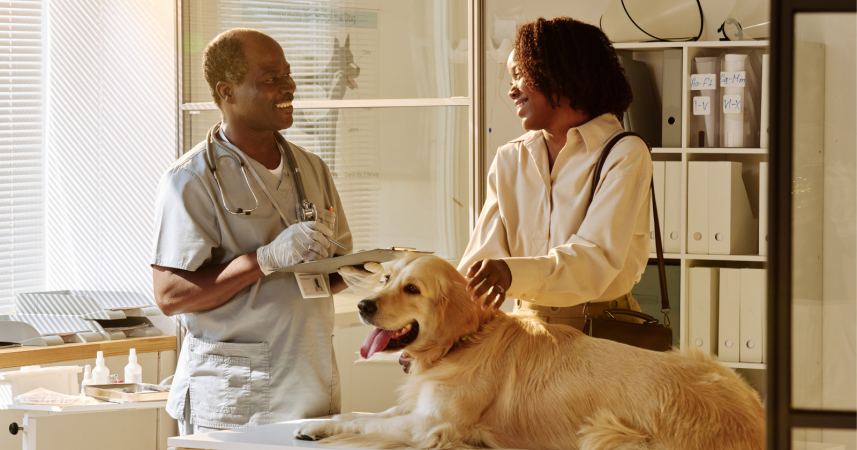
1) They treat the vet like a partner
Do you only go to the vet when something looks wrong, or do you go when everything seems fine?
Working-class owners, understandably, tend to see the vet as a “use only in case of emergency” situation.
When money is tight, a yearly checkup can feel like a luxury, especially if the animal seems healthy on the surface.
Upper-middle-class owners are more likely to build a relationship with a vet and show up proactively for annual blood work, dental checks, weight monitoring, and behavior consults because they understand prevention is cheaper, kinder, and less stressful than crisis.
It is the same logic as people who service their car regularly versus waiting until the engine light has been on for three months.
One is reacting, while the other is managing risk.
This shows up in things like pet insurance too.
For some, paying a monthly premium feels like “wasted money;” for others, it is just part of the pet budget, like food.
They would rather smooth out the cost over time than gamble on nothing big going wrong.
If you want to think more like the second group, start treating the vet like a long term partner in your pet’s health.
2) They invest in quality pet food
In restaurants, people will happily pay triple for a beautifully sourced steak or a thoughtfully crafted plant based dish, because they know quality ingredients drive everything.
Yet when it comes to pets, a lot of us throw that logic out the window.
We grab the biggest, cheapest bag of kibble on sale and tell ourselves “food is food.”
Working-class owners often do this because they have to.
The priority is “my dog or cat does not go hungry,” not “is this food ideal for their joints at age 10.”
Upper-middle-class owners tend to look at pet food the way health conscious people look at their own diet.
They read labels, and they care about protein sources, fillers, additives, and how their pet responds.
Some even work with vets or pet nutritionists to choose the right formula.
They might opt for higher quality kibble, fresh or lightly cooked subscriptions, or carefully chosen plant forward options for dogs when appropriate.
Not as a flex, but because they are playing the long game with energy, weight, digestion, and vet bills.
I once read a line in a nutrition book that stuck with me: “You either pay the farmer or you pay the pharmacist.”
With pets, it becomes “You either pay for good food or pay the vet later.”
If all you can do right now is move one step up from the absolute bottom shelf, that is still progress.
The mindset shift is what matters.
3) They buy back their time with help
This is a big one that often gets overlooked.
Working-class owners are more likely to do everything themselves.
They walk the dog before or after a long shift, squeeze in playtime on weekends, and rely on family, neighbors, or whoever is free when they need to travel.
Upper-middle-class owners are far more likely to pay for support.
Dog walkers during the workday, doggie daycare once or twice a week, professional sitters instead of last minute favors, and even trainers who take the dog for “board and train” programs.
From the outside, this can look like spoiling the pet.
But if you zoom out, it is really about how they value their own time and bandwidth.
They know that an under exercised, under stimulated dog leads to chewed furniture, barking complaints, and stress for everyone involved.
Moreover, they would rather spend money to prevent that tension than live with the daily friction.
In self development, there is this idea that you should outsource or automate things that drain you, so you can show up better where it matters.
This is that, applied to pets.
4) They design their home around the animal
In hospitality, the best experiences are designed from the guest’s point of view.
The lighting, the seating, the flow, even where the hooks are placed for bags and coats; nothing is random.
Upper-middle-class pet owners often bring that same mindset into their homes.
They think in terms of “pet friendly design,” not just “we have a pet living here.”
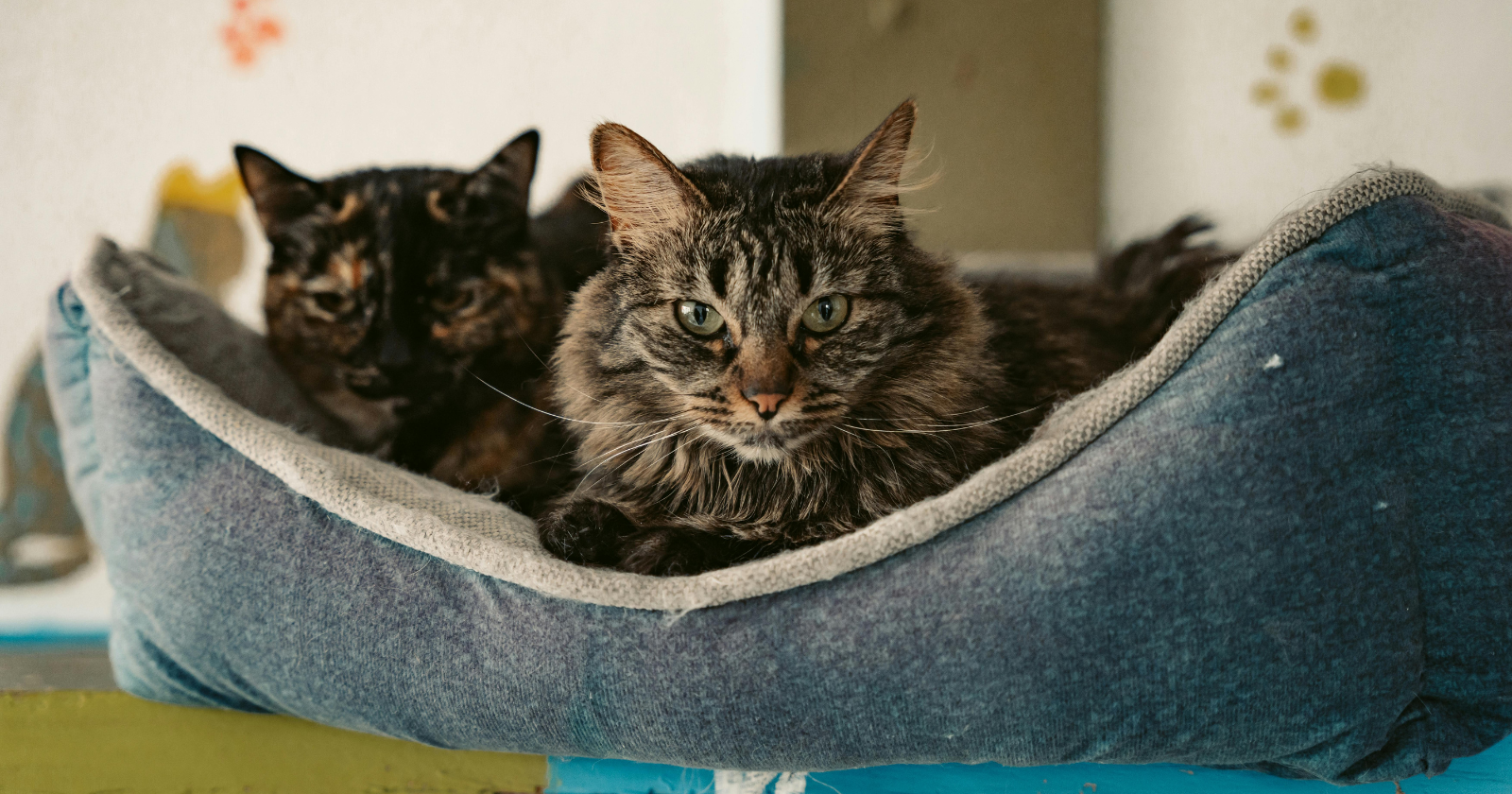
You see it in practical things like non slip rugs for older dogs, sturdy scratching posts to protect furniture, litter box locations that are private but accessible, water fountains for cats, window perches, fenced yards, secure balcony netting, and baby gates used as room dividers.
Working-class owners might care just as much, but they are usually constrained by rentals, smaller spaces, or shared housing.
Their pet lives in the home as it already is, rather than the home being adjusted for the pet.
This is about intentionality: Are there places in your home where your pet is constantly stressed, sliding, or getting scolded? Could a cheap rug, a baby gate, or a better placed bed solve that?
Treat your animal like a guest you truly want to feel safe and relaxed.
5) They train for a shared language
A lot of people think training is about making the dog behave.
Upper-middle-class owners tend to see training differently; it is communication and a shared language that makes both human and animal less frustrated over time.
They are more likely to pay for group classes, private lessons, or online courses because they know training is mental exercise and bonding.
Working-class owners often rely on what they picked up from family or TV.
A few basic commands, raised voices when things go wrong, and a lot of “the dog just does not listen.”
To be fair, after a 10 hour shift, the last thing most people feel like doing is structured training.
However, here is the key difference: Upper-middle-class owners treat training like brushing their own teeth, because it's just part of the routine.
From a personal growth angle, this is huge.
Training forces you to be consistent, patient, and clear.
You learn to manage your own emotions first, then the dog’s reactions.
It is basically a mindfulness practice with fur.
You do not need fancy tools to start leveling this up.
Even five minutes a day of calm, reward based practice can change the entire relationship.
Think: “We are learning how to talk to each other,” not “I am trying to dominate this animal.”
6) They plan for the whole lifespan
Puppies and kittens are Instagram friendly.
Old, creaky, slightly smelly pets? Less so.
This is where you really see the gap between people who think short term and people who think in decades.
Upper-middle-class owners are more likely to prepare for the unglamorous parts of pet life.
They expect arthritis, dental issues, and slower walks.
Some even start saving early for senior care, ramps, pain meds, and more frequent vet visits.
They also think about what happens if they die before their pet, or if they have to move abroad, or their life suddenly changes.: Who will take the animal? Is that written into a will? Do friends or family know the plan?
Working-class owners often do not have the luxury of planning that far ahead.
Life hits them fast, and sometimes the pet ends up being rehomed, left with a relative who is not prepared, or in a shelter.
I once read a financial book that said, “Your values show up most clearly in your calendar and your bank statement.”
When it comes to pets, they also show up in your long term plans.
Even a simple written note and a committed friend is better than nothing.
Think of it as emotional insurance for the creature that trusts you with everything.
Pet care as a mirror
At the end of the day, this is not really a rich versus poor conversation.
It is about mindset; about how you balance today versus ten years from now, for a living being that depends on you.
Upper-middle-class pet owners usually have more margin, yes.
More money, more flexibility, and more options.
The real separating factor is how intentional they are with that margin.
They prioritize prevention over damage control, design over default, and partnership over convenience.
Even if your budget is tight, you can still borrow their thinking.
Every small upgrade in how you care for your pet is also an upgrade in how you care for yourself.
How we treat the creatures in our homes is often just a reflection of how we handle money, time, stress, and love everywhere else in our lives.