From porch-sitting marathons to mixtape-making sessions, discover the lost art of entertainment that required nothing but time, imagination, and the people around you—no Wi-Fi, credit cards, or productivity apps necessary.
Remember when entertainment meant something entirely different? The other day, I was explaining to my granddaughter how we spent our free time growing up, and she looked at me with genuine bewilderment. "But what did you actually do?" she asked, holding her phone like it was a lifeline.
It made me realize how fundamentally our concept of fun has shifted. Back in the 60s and 70s, we didn't measure our leisure time by productivity metrics or Instagram likes. We didn't need apps to tell us how to relax. Fun was simpler, messier, and somehow more connected to the people and places around us.
1) Sitting on the front porch watching the world go by
This might sound boring to modern ears, but porch sitting was an art form. Growing up in small-town Pennsylvania, our front porch was like a theater box seat to the neighborhood drama. My father would come home from his mail route, settle into his creaky wooden chair with a glass of lemonade, and we'd just watch.
Kids riding bikes, neighbors walking dogs, the occasional teenager sneaking home past curfew. We'd wave at everyone who passed, sometimes calling out commentary or invitations to join us. These weren't scheduled social hours or networking opportunities.
They were spontaneous moments of connection that cost nothing but gave us everything: community, belonging, and the gentle rhythm of life unfolding at its own pace.
2) Playing marathon games of cards or board games
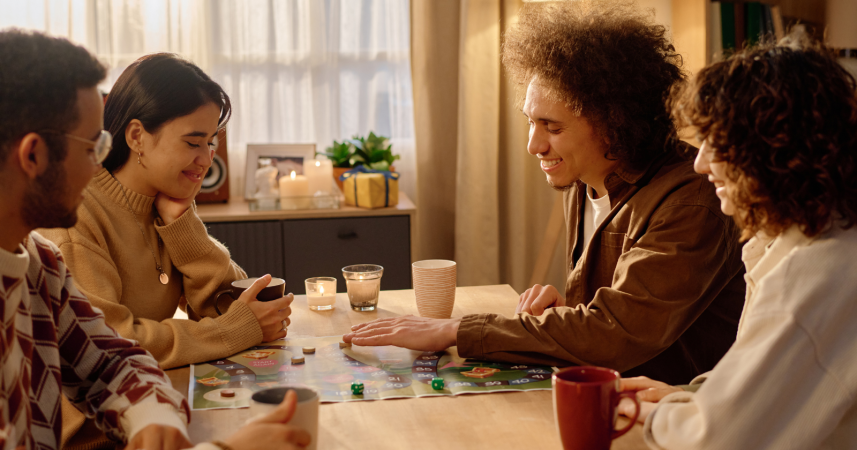
When was the last time you played a game that lasted four hours? We'd spread out on the living room floor with Monopoly or Risk, and those games would stretch across entire afternoons, sometimes continuing the next day with carefully preserved board positions.
Card games like Hearts or Gin Rummy would go on for hours at the kitchen table, accompanied by endless cups of coffee and whatever cookies someone had baked that week. Nobody checked the time. Nobody had anywhere else to be.
The game itself was almost beside the point; it was the excuse to be together, to trash talk and tell stories and laugh until our sides hurt.
3) Exploring abandoned places and creating imaginary worlds
Every neighborhood had its mysterious spots: the old barn at the edge of town, the closed-down factory, the overgrown lot where a house used to stand. These weren't considered dangerous playgrounds but adventure zones.
We'd spend entire days exploring, creating elaborate backstories for these places, turning them into castles or secret headquarters or alien landing sites. Our imaginations did all the heavy lifting.
A stick became a sword, a cardboard box transformed into a spaceship, and an afternoon disappeared into pure creative play. We weren't building anything for our college applications or developing entrepreneurial skills. We were just being kids, lost in worlds of our own making.
4) Having long, meandering conversations
Do you remember when talking was the entertainment? We'd sit in someone's kitchen or sprawled on a lawn, and conversations would wind their way through topics like lazy rivers.
Philosophy, gossip, dreams, fears, the meaning of that new Dylan song, whether the moon landing was real, what we'd do if we won a million dollars. These conversations had no agenda, no time limit, no purpose other than the joy of thinking out loud with people you trusted. We solved the world's problems and created new ones, all before dinner.
5) Going for drives with no destination
Gas was cheap, and Sunday drives were a legitimate form of entertainment. We'd pile into someone's car and just drive, windows down, radio up, taking turns we'd never taken before just to see where they led.
Sometimes we'd end up at a scenic overlook or a little town we'd never visited. Sometimes we'd just loop back home. The point wasn't to arrive anywhere. It was about the movement itself, the music, the conversation, the feeling of possibility that came with not knowing exactly where you were headed.
6) Creating and listening to mixtapes
Before playlists were a click away, making someone a mixtape was an act of love and creativity. We'd sit by the radio for hours, finger poised on the record button, waiting for that perfect song. Creating a mixtape meant carefully considering the flow from one song to the next, writing out the track list by hand, decorating the case.
Then we'd listen to these tapes over and over, memorizing every transition, every skip, every place where the DJ's voice accidentally got recorded. Music wasn't background noise; it was an experience we actively participated in.
7) People watching at the mall or downtown
The mall or Main Street wasn't just for shopping; it was free entertainment. We'd find a bench and watch the parade of humanity: the young couples trying to look casual while holding hands, the harried mothers corralling children, the teenagers strutting in their bell-bottoms.
We'd make up stories about strangers, imagine their lives, guess their relationships. It was sociology and creative writing rolled into one, and it didn't cost a dime. Sometimes we'd run into people we knew and the watching would turn into spontaneous social hours.
8) Having potluck dinners and informal gatherings
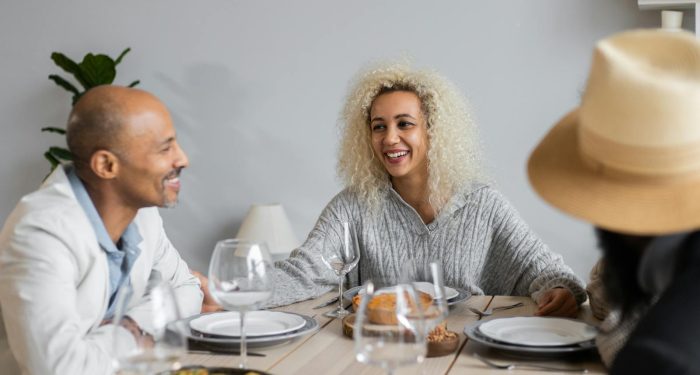
Nobody sent formal invitations or created Facebook events. Someone would call a few people, say "bring whatever you have," and suddenly there'd be a party. Everyone contributed something: a casserole, a jello mold, a bag of chips, a guitar.
These gatherings would materialize organically and last until someone remembered they had work in the morning. We'd eat too much, laugh too loud, and solve each other's problems over dishes that would horrify today's food bloggers but tasted like community.
9) Reading books aloud to each other
Television existed, but it wasn't the default evening entertainment. Families and friends would actually read books aloud to each other. Someone would pick up a novel or a book of poetry, and we'd take turns reading chapters or favorite passages.
The reader's voice would bring characters to life, and we'd all experience the story together, stopping to discuss plot twists or beautiful sentences. It was like a book club, theater performance, and family bonding rolled into one.
10) Writing actual letters to friends and pen pals
Letter writing wasn't just communication; it was entertainment. We'd spend hours crafting letters to friends who'd moved away or pen pals we'd never met. These weren't quick updates but long, rambling explorations of our thoughts and experiences.
We'd decorate the envelopes, include drawings or pressed flowers, spray them with perfume. Then came the anticipation of waiting for a response, the thrill of seeing a hand-addressed envelope in the mailbox. Each letter was a gift, something tangible to hold and reread and treasure.
Final thoughts
Looking back, what strikes me most about these simple pleasures is how they required nothing but time and presence. We weren't trying to optimize our leisure or achieve anything specific. Fun wasn't something we scheduled or purchased; it emerged from being available to the moment and to each other.
Maybe that's what we've lost in our productive, digital age: the art of doing nothing much at all, and finding that it's more than enough.
These days, when I take my evening walks or have coffee with my neighbor on Thursday mornings, I'm reminded that the best things in life still don't require a credit card or a productivity metric. They just require showing up.
If You Were a Healing Herb, Which Would You Be?
Each herb holds a unique kind of magic — soothing, awakening, grounding, or clarifying.
This 9-question quiz reveals the healing plant that mirrors your energy right now and what it says about your natural rhythm.
✨ Instant results. Deeply insightful.

Marlene Martin
Marlene Martin is a retired high school English teacher who spent 38 years in the classroom before discovering plant-based eating in her late sixties. When her daughter first introduced her to the idea of removing animal products from her diet, Marlene was skeptical. But curiosity won out over habit, and what started as a reluctant experiment became a genuine transformation in how she thinks about food, health, and aging.
At VegOut, Marlene writes about nutrition, wellness, and the experience of embracing new ways of eating later in life. She brings a teacher’s instinct for clarity and patience to topics that can feel overwhelming, especially for readers who are just beginning to explore plant-based living. Her writing is informed by personal experience, careful research, and a belief that it is never too late to change.
Marlene lives in Portland, Oregon, where she spends her mornings reading research papers, her afternoons tending a modest vegetable garden, and her evenings knitting while listening to audiobooks. She has three adult children and two grandchildren who keep her honest about staying current.
More Articles by Marlene