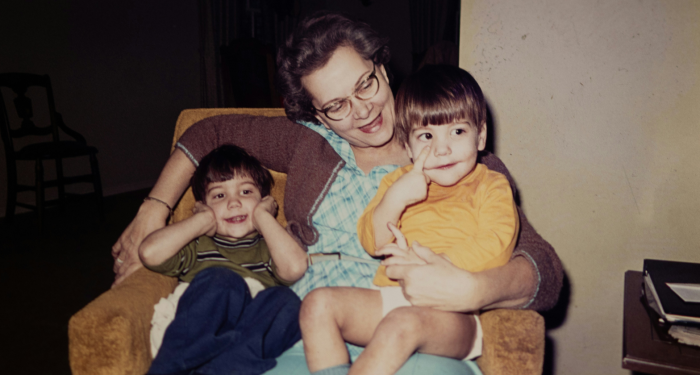
Living past 90 has less to do with genetics and more to do with small choices made consistently over decades.

Add VegOut to your Google News feed. 
I've met dozens of people in their 90s during my years in hospitality.
Some were guests at resorts, still traveling and active. Others were family members of staff, still sharp and engaged with the world. What struck me wasn't just that they'd lived so long. It was how similar their daily patterns were.
They didn't follow trendy diets or expensive wellness protocols. They weren't obsessed with optimization or longevity hacking. Most of them would probably laugh at the idea of biohacking.
What they shared were simple, consistent habits that had nothing to do with what we typically think of as health behavior.
No extreme exercise regimens. No restrictive eating. No supplements or special treatments. Just specific ways of moving through their days that they'd maintained for decades.
After observing these patterns across different people and cultures, I started noticing what actually distinguished people who lived well into their 90s from those who didn't make it that far.
Here are eight habits that consistently showed up. Some of them might surprise you.
1) They stay connected to people decades younger
Every person I've met who thrived past 90 had relationships with people much younger than themselves.
Not just family obligations. Genuine friendships and connections with people in their 40s, 50s, 60s. They didn't segregate themselves by age group or only spend time with peers.
Margaret, that 76 year old resort guest I mentioned before, regularly made friends with staff members in their 20s and 30s. She was genuinely interested in their lives, their perspectives, their problems. And they enjoyed her company because she engaged with them as equals.
The people who live longest don't act like they're done learning or growing. They stay curious about how younger generations see the world. That keeps them mentally engaged and prevents the isolation that kills people faster than any disease.
2) They walk, a lot
Not jogging. Not intense cardio. Just walking, every single day, often multiple times.
During my Bangkok years, I'd see older locals walking in the early morning and late evening. Slow, steady, consistent. They'd been doing it for decades and would continue until they physically couldn't.
The people who live past 90 treat walking like breathing. It's not exercise they have to motivate themselves to do. It's just part of how they move through their day.
They walk to the market instead of driving. They take stairs when possible. They stroll through their neighborhood in the evening. Nothing dramatic, just constant low-level movement that keeps everything functioning.
The ones who stopped walking were usually the ones who declined quickly. Movement isn't optional for longevity. But it doesn't have to be complicated.
3) They eat the same foods repeatedly
People who live past 90 don't have varied, exciting diets.
They eat the same breakfast every day for years. The same lunch rotation. Dinner might have more variation, but not much. They've found foods that work for them and they stick with them.
This goes against all the advice about eating a diverse diet. But watching these people, I noticed they weren't chasing variety. They were eating what made them feel good and not overthinking it.
Simple, whole foods prepared the same way they'd been making them for decades. Nothing exotic or trendy. Just consistent, reliable meals that became part of their routine.
The people trying different diets every few months, jumping on new food trends, constantly changing what they ate? Those weren't the ones making it to 90.
4) They maintain a daily routine without being rigid
The longest lived people have structure to their days, but they're not obsessive about it.
They wake up around the same time. Eat at roughly the same hours. Have activities they do regularly. But if something disrupts that routine, they adapt without stress.
I noticed this with older guests at resorts. They'd have their preferred breakfast time and table, but if those weren't available, they'd adjust happily. The routine was a preference, not a requirement.
Compare that to people who get anxious when their schedule changes. That rigidity, that inability to adapt, creates stress that accumulates over decades.
The people who live longest have rhythms without being prisoners to them. They understand routines serve them, not the other way around.
5) They stay involved in their community
Everyone I've known who lived well past 90 was embedded in their local community.
They knew their neighbors. They participated in local activities. They had roles, even small ones, that kept them connected to the place they lived.
This wasn't about volunteering or formal community service necessarily. Just being known and knowing others. Shopping at the same stores and chatting with owners. Attending local events. Being part of the fabric of where they lived.
In Austin, there's a man in his mid-90s who still walks to the same coffee shop every morning. Everyone knows him. He has his spot. That connection to place and people keeps him going more than any health intervention could.
The people who isolated themselves, who lost connection to their community, didn't last as long. Humans aren't meant to exist in a vacuum.
6) They work with their hands
The people who live longest are constantly doing something with their hands.
Gardening, cooking, woodworking, knitting, fixing things. Not as occasional hobbies but as regular activities that keep them engaged and useful.
I watched this in professional kitchens early in my career. The older cooks who were still working in their 70s had this quality. They never stopped using their hands to create, repair, or maintain things.
There's something about manual work that keeps you sharp. Maybe it's the hand-brain connection. Maybe it's the satisfaction of tangible results. Whatever it is, people who stop working with their hands seem to decline faster.
You don't need to be building furniture or growing your own food. But doing something physical and manual, regularly, appears to be part of the longevity equation.
7) They don't worry about things they can't control
This might be the most important habit.
People who live past 90 have this ability to let go of things beyond their influence. Not in a resigned way, but in a practical acceptance that some things just are what they are.
They don't stress about politics they can't change. They don't obsess over family members' choices. They don't catastrophize about the future. They focus on what's in front of them and let the rest be.
I've watched people work themselves into early graves worrying about everything. Meanwhile, the 90 year olds are remarkably unbothered by things that have younger people spiraling.
This isn't about not caring. It's about directing energy toward what you can actually affect and accepting what you can't. That alone probably adds years to your life by reducing chronic stress.
8) They still have things to look forward to
Every person I've known who lived well past 90 had future plans.
Not huge bucket list items. Small things. A grandchild's graduation next year. A garden they're planning for spring. A book they're waiting to read. Always something ahead that mattered to them.
The people who stopped looking forward were the ones who declined quickly. Once they lost reasons to keep going, they didn't.
Purpose doesn't have to be grand. It just has to exist. Something that makes tomorrow worth showing up for. That forward momentum, even if it's small, keeps people alive in a way nothing else can.
During my hospitality work, I'd see older guests planning their next visit before they'd even left. They weren't just living in the moment. They were anticipating future moments. That orientation toward the future seemed crucial.
What this actually means
These habits aren't sexy or Instagram-worthy.
No one's selling courses on maintaining community connections or working with your hands. There are no supplements for not worrying about things you can't control.
But watching people who actually lived past 90, these were the patterns that showed up consistently. Not the things wellness culture tells us matter. Not the trends or hacks or expensive interventions.
Just simple, sustainable habits practiced over decades. Walking daily. Eating consistently. Staying connected to younger people and your community. Working with your hands. Having routines without rigidity. Letting go of what you can't control. Always having something to look forward to.
None of this requires money, special knowledge, or perfect circumstances. It's all accessible to anyone willing to build these patterns into their daily life.
The question isn't whether you can do these things. It's whether you will, consistently, for decades, without expecting immediate results or validation.
That's what separates people who live well into their 90s from everyone else. Not genetics, not luck, not access to healthcare. Just choices made every single day that compound over time into a longer, healthier life.