Retirement doesn't fail people who weren't ready for the freedom — it fails the ones nobody told that productivity is an identity, not just a schedule.

Add VegOut to your Google News feed. 
I've been paying attention to retired people for years.
Not in a weird way. But when you write about the psychology of everyday decisions, you start noticing patterns. You start watching how people carry themselves. How they talk about their days. Whether there's a kind of ease in them or whether they're still braced for something.
And the ones who seem genuinely happy, not busy-happy or distracted-happy, but settled in a way that reads as real, they share something. It took me a while to name it.
They stopped trying to be productive. And started trying to be present.
Which sounds like something you'd find on a mug. But the gap between the people who make that shift and the people who don't is visible. Measurable, almost. You can see it from across a room.
Why productivity doesn't retire when you do
Here's the thing about spending forty years in a productivity-oriented culture. It rewires you.
Your worth becomes legible through output. Your identity gets organized around what you do, what you produce, what you're responsible for. You learn to feel vaguely guilty about rest. You learn to justify leisure by packaging it as something useful: I walked five miles, I finished the book, I cleaned out the garage.
And then retirement arrives and the expectation is that you'll just... switch that off.
You won't. Not immediately. Possibly not for years.
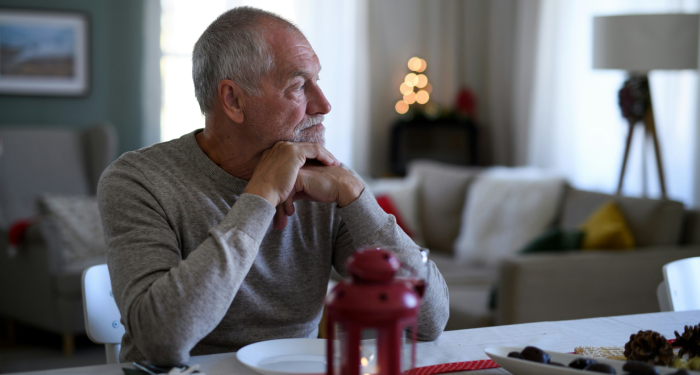
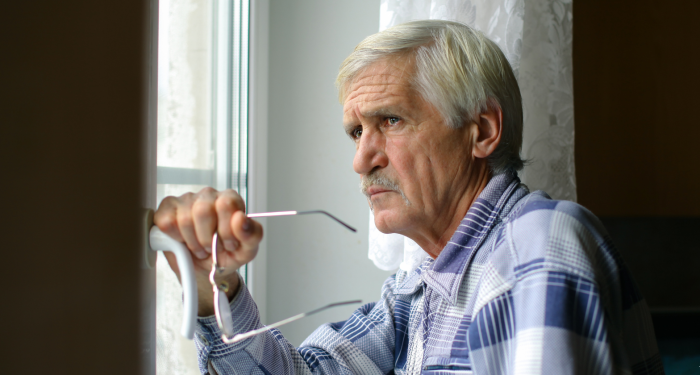
What most newly retired people describe, if they're being honest, is a low-grade anxiety that follows them into their new freedom. The days feel unstructured in a way that's uncomfortable rather than liberating. They fill the time. They optimize the time. They make the time look like something they'd approve of if they were still their former manager reviewing their schedule.
Behavioral science has a name for this kind of cognitive overhang. The identity and the habits outlast the context that created them. You've stopped working but your nervous system hasn't gotten the memo.
What the five-year shift actually involves
Five years is roughly what it takes, based on what researchers studying retirement transitions consistently find, for people to move from performing retirement to actually inhabiting it.
The first phase tends to be the honeymoon. Relief, novelty, the pleasure of doing what you want when you want. This can last months.
Then comes what some researchers call the disenchantment phase. The novelty wears off. The structure is gone. The identity anchors are missing. This is when depression rates among retirees spike, when marriages that were sustained largely by the buffer of separate work lives suddenly have to reckon with each other, when the people who tied their entire sense of self to their career quietly start to struggle.
I've mentioned this before, but one of the most consistent findings in the psychology of behavior change is that we dramatically underestimate how much of who we think we are is actually just a product of where we spend our time. Change the context and the self becomes negotiable in ways that can feel terrifying.
The people who come out the other side, who arrive at that room-across-the-room ease, are the ones who do something specific during those middle years. They stop trying to rebuild the old structure under a new name. They stop scheduling retirement like a project. And they start practicing the much harder skill of being somewhere without needing it to become something.
What presence looks like in practice
My grandmother has volunteered at her local food bank every Saturday for years. She doesn't talk about it as volunteering, exactly. She talks about the regulars. Who's been coming in lately. Who she's worried about. Who made her laugh last week.
She's not there to be productive. She's there to be somewhere that expects her, and where she expects others. The output is almost beside the point. The point is the continuity, the relationship, the showing up.
That's presence. And it looks different from productivity in a way that's hard to articulate but easy to recognize.
Productive retirement looks like a full calendar treated as evidence of a life well-lived. Present retirement looks like fewer things on the calendar, chosen more deliberately, and actually experienced while they're happening rather than mentally filed away as proof of adequate leisure.
Photography taught me something about this, or rather, it's still teaching me. The difference between taking a photo to have a photo and actually looking at something long enough to understand what you want to capture. The second one requires you to stop. To be where you are. It's harder than it sounds.
The happiest retired people I've met have found their version of that. A garden. A grandchild they're genuinely paying attention to rather than performing presence for. A walk they take the same way every day and still notice things on. A conversation with a neighbor that has no agenda and runs long because neither person is watching the time.
The people who don't make the shift
They're recognizable too. And this isn't a judgment, it's a pattern worth understanding because patterns are how we catch ourselves before we repeat them.
They're often enviably busy. Packed schedules, lots of commitments, a running list of what's been accomplished this week. They talk about retirement as something they're doing well or managing successfully. There's an auditing quality to how they describe their days.
They can also tip the other way: the quiet version of the same problem. Not busy but adrift. Still waiting for the next thing to show up and tell them who they are. Watching a lot of television not because they love television but because it fills time without requiring anything of them.
In both cases, the thing missing is the same. They're not really there. They're either performing a life or waiting for one.
This isn't a character flaw. It's what happens when you remove the scaffolding that organized someone's identity for four decades and don't replace it with something that actually fits the new context.
What the research quietly suggests we get wrong
We treat retirement as an endpoint. As arrival. As the reward for all those years of output.
But every piece of research on what makes retirement genuinely satisfying points in the same direction. It's not leisure. It's not freedom from obligation. It's not even financial security, though that helps.
It's engagement. Specifically, the kind of engagement that involves other people, a degree of challenge, and a sense that you're in the right place at the right time, doing something that matters at least a little to someone other than yourself.
Viktor Frankl argued that meaning isn't found, it's created, through work, love, and the attitude we take toward unavoidable suffering. Retirement doesn't remove the need for meaning-making. It just removes the automatic mechanism most people were using to do it.
The shift from productivity to presence isn't about doing less. It's about doing things for different reasons. Being somewhere because you want to be there rather than because it's on the schedule. Letting value emerge from experience rather than manufacturing it through output.
That shift, small as it sounds, takes most people about five years to actually make. And the ones who make it do look different. More settled. Less braced. Like they've stopped waiting for retirement to feel like what they were promised and started noticing what it actually is.
The bottom line
Retirement doesn't come with an instruction manual for the psychological part. It comes with a date, maybe a party, and then a very long, very open-ended question about what you're going to do with yourself.
The people who answer that question well aren't the ones with the fullest calendars or the most optimized routines. They're the ones who figured out, usually slowly and not without difficulty, how to be somewhere without needing it to count.
That's the shift. And it's worth starting to practice it before you ever get there.