Growing up with one annual shoe purchase taught me that scarcity creates a specific kind of decision-making anxiety that wealth can eliminate but never quite erase from your nervous system.

Add VegOut to your Google News feed. 
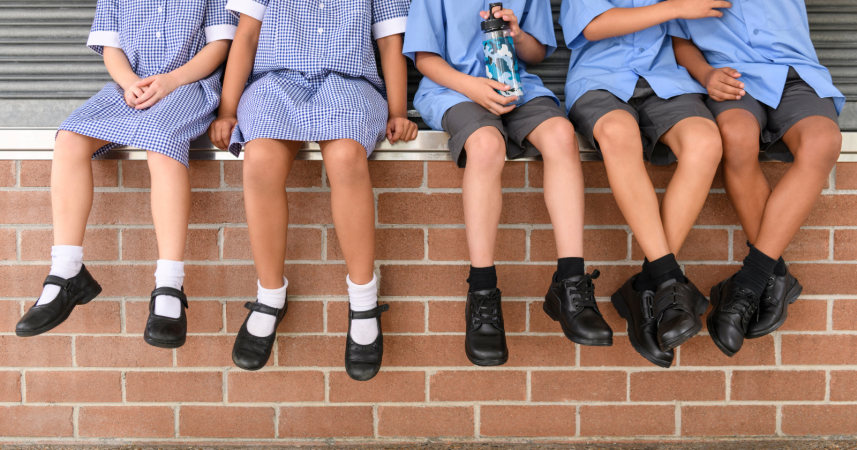
Every September, my mom would take me to the shoe store in suburban Sacramento. Not because it was my birthday or because my old shoes were falling apart, though they usually were by then. September was just when shoes happened in our house. Once a year. One pair. Make it count.
The ritual was always the same. The sales guy would measure my feet on that metal sliding thing. Press his thumb into the toe to check for room to grow. Watch me walk up and down the aisle while my mom evaluated whether they'd last through the following August.
Those fifteen minutes were more stressful than any job interview I've had as an adult. Because the wrong choice had to last twelve months. And returns weren't an option.
The pressure of permanent decisions
I remember standing in that store, nine years old, staring at two pairs of sneakers. One had better traction but the other looked cooler. My mom would remind me I needed them for PE class, for playing outside, for everything. "Think carefully," she'd say, which somehow made thinking impossible.
The weight of that decision was absurd for a kid. These shoes would be on my feet for an entire year. They'd be in every school photo, every holiday, every memory. If they gave me blisters, too bad. If they stopped being cool by November, tough luck. If I outgrew them by May and my toes were cramped, I'd just have to deal with it.
That's what scarcity does. It turns routine purchases into high-stakes choices. It makes you second-guess everything because there's no safety net, no backup plan, no "let me try another pair next month."
What I learned from one-pair-a-year
This wasn't abuse or neglect. It was just working-class reality. My parents were doing their best. My grandmother raised four kids on a teacher's salary and they all turned out fine with the same September shoe ritual.
But it did teach me things. To take care of what I had because replacement wasn't coming. To ignore trends because durability mattered more than style. To feel anxious about purchases in a way that probably wasn't healthy but definitely was practical.
I learned to make decisions slowly and carefully because mistakes were expensive. Not just financially, but in terms of comfort and function for an entire year. That calculation stayed with me long after I could afford to buy shoes whenever I wanted.
The class marker no one talks about
You can spot people who grew up with scarcity by how they shop. We're the ones agonizing over purchases that should be simple. The ones who can't just grab something and try it. The ones for whom "just buy both and return the one you don't like" sounds like speaking a different language.
I still do this weird thing where I research shoes for weeks before buying them. Read reviews, compare prices, check durability ratings. My partner will just order three pairs, try them on, keep one, and send the others back. That casual relationship with returns makes my brain short-circuit.
Returns weren't an option growing up. You made your choice, you lived with it. That psychology doesn't disappear just because your bank account gets bigger.
The measuring and the walking
The shoe shop ritual itself became this loaded experience. The sales guy pressing his thumb into the toe wasn't just checking for fit. He was determining my fate for the next year. If he said "plenty of room to grow," that meant wearing shoes that were too big now. If he said "these fit perfectly," that meant probably outgrowing them by spring.
Walking up and down while my mom watched felt like a performance review. Was my gait okay? Did they look right? Would they hold up? I'd try to walk normally but end up walking weird because I was thinking about walking.
The stress wasn't about the shoes themselves. It was about the permanence of the decision in a context where permanence was enforced by circumstance, not choice.
What changes and what doesn't
I can afford multiple pairs of shoes now. I can buy shoes in February if I need them. I can return them if they don't work out. The material constraint is gone.
But the psychology stuck around. I still feel that flutter of anxiety making purchase decisions. I still keep shoes longer than I should because "they're still fine." I still have trouble with the casual consumption my partner takes for granted.
When he suggests just ordering something to try it, I have this internal resistance that makes no logical sense anymore. The scarcity isn't real, but the feeling is.
Final thoughts
The September shoe ritual taught me that scarcity creates a specific kind of decision-making anxiety. When choices feel permanent, when mistakes have lasting consequences, when there's no room for error, every decision becomes outsized.
That stress doesn't disappear when your circumstances improve. It just becomes mismatched with your reality. You're still making decisions like resources are scarce even when they're not.
I see this pattern in other people who grew up similarly. The way we approach purchases, the way we maintain things, the way we can't quite believe that returns are an option. We learned young that careful choices mattered because careless ones hurt.
The shoe shop ritual is over. I can buy shoes whenever I want now. But that measuring, that pressing of the thumb, that walking up and down while someone evaluates whether your choice will last? That's still happening in my head every time I click "add to cart."
Some lessons stick deeper than others. And the lessons learned from scarcity seem to stick deepest of all.
If You Were a Healing Herb, Which Would You Be?
Each herb holds a unique kind of magic — soothing, awakening, grounding, or clarifying.
This 9-question quiz reveals the healing plant that mirrors your energy right now and what it says about your natural rhythm.
✨ Instant results. Deeply insightful.

Jordan Cooper
Jordan Cooper is a pop-culture writer and vegan-snack reviewer with roots in music blogging. Known for approachable, insightful prose, Jordan connects modern trends—from K-pop choreography to kombucha fermentation—with thoughtful food commentary. In his downtime, he enjoys photography, experimenting with fermentation recipes, and discovering new indie music playlists.
More Articles by Jordan