While brain-training apps and expensive supplements dominate the market, the sharpest septuagenarians are quietly preserving their cognitive edge through deliberate daily hand movements that neuroscientists are just beginning to understand.
Last week, I watched my 78-year-old neighbor kneading dough in her kitchen window, her movements deliberate and rhythmic.
There was something almost meditative about it, and it reminded me of all the ways our hands serve as bridges between our minds and the world around us. We often think of brain health as something that happens entirely in our heads, but psychology tells us a different story.
The truth is, the most mentally sharp people over 70 aren't just doing crossword puzzles or taking expensive supplements. They're using their hands in specific, purposeful ways that create powerful neural pathways and keep their minds vibrant. After years of observing and learning from the wisest elders in my life, I've discovered nine daily hand activities that research confirms make all the difference.
1. They write by hand every single day
Every evening before bed, I pull out my gratitude journal and write three things that brought light to my day. This simple practice, which I started after becoming a widow, does more than soothe my soul. Research shows that handwriting activates multiple regions of the brain simultaneously, creating connections that typing simply cannot replicate. The physical act of forming letters engages our motor cortex, sensory areas, and language centers all at once.
When we write by hand, we're essentially giving our brains a full workout. The slower pace forces us to think more deliberately about our words, enhancing memory formation and comprehension. Whether it's journaling, writing letters to friends, or simply jotting down a grocery list the old-fashioned way, this daily practice keeps cognitive functions sharp in ways that surprise even neuroscientists.
2. They engage in intricate handcrafts
The repetitive yet complex nature of handcrafts like knitting, crocheting, or embroidery creates what psychologists call a "flow state" that's remarkably similar to meditation. These activities require bilateral coordination, pattern recognition, and sustained attention, all while producing something beautiful and useful.
Studies have shown that people who engage in these crafts have a 30-50% reduced risk of mild cognitive impairment. The combination of creativity, problem-solving, and fine motor skills creates new neural pathways and strengthens existing ones. Plus, there's something deeply satisfying about creating something tangible with your own two hands.
3. They cook from scratch regularly
Every Sunday, I bake bread. This ritual began during a particularly harsh winter when I needed something warm and grounding to look forward to. What started as comfort became medicine for my mind. Cooking from scratch involves reading recipes, measuring ingredients, timing multiple steps, and adjusting based on sensory feedback. It's executive function training disguised as dinner preparation.
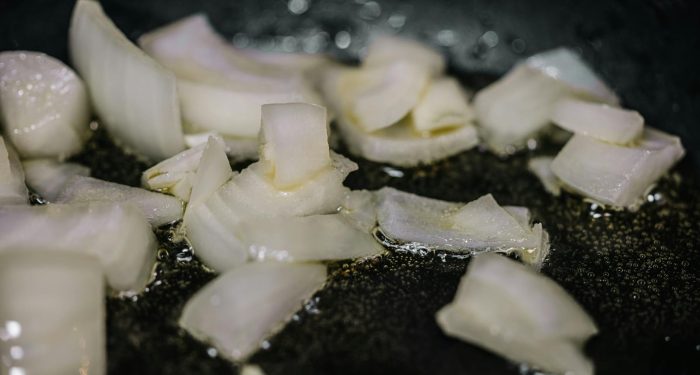
The multi-sensory experience of cooking engages different brain regions simultaneously. Chopping vegetables improves hand-eye coordination, following recipes exercises working memory, and the creative aspect of adjusting flavors stimulates problem-solving areas of the brain. The sharp elders I know don't just heat up frozen dinners; they're in their kitchens, hands covered in flour, creating meals that nourish both body and mind.
4. They tend to living things
Each morning before the heat sets in, you'll find me in my English cottage garden, hands deep in the soil. After 30 years of cultivating this space, arthritis has forced me to adapt my techniques, but I've never stopped. There's profound wisdom in this adaptation itself. Gardening requires planning, problem-solving, and constant learning as seasons change and plants have different needs.
The physical act of planting, pruning, and harvesting involves complex hand movements that maintain dexterity. But beyond the physical, caring for living things creates a sense of purpose and connection that psychology recognizes as crucial for cognitive health. Whether it's a sprawling garden or a few potted herbs on a windowsill, this daily tending keeps the mind engaged and hopeful.
5. They play musical instruments
Playing an instrument, even simple tunes on a keyboard or strumming a ukulele, is one of the most complex cognitive tasks we can undertake. It requires reading music, translating symbols into movements, maintaining rhythm, and listening for accuracy, all simultaneously. The bilateral coordination required literally builds bridges between the two hemispheres of the brain.
You don't need to be a virtuoso. The elders with the sharpest minds often picked up instruments later in life, proving it's never too late to start. The key is consistency. Even 15 minutes daily of playing music has been shown to improve executive function and processing speed.
6. They practice detailed grooming rituals
This might seem mundane, but the daily acts of buttoning shirts, tying shoes, applying makeup, or shaving require fine motor control that many of us take for granted. The sharpest seniors maintain these rituals not out of vanity, but because these precise movements preserve neural pathways related to coordination and spatial awareness.
When we rush through our morning routines or opt for slip-on shoes and pullover shirts for convenience, we're actually robbing our brains of valuable exercise. The deliberate practice of these detailed movements, done mindfully rather than automatically, maintains the connection between intention and action that's crucial for cognitive health.
7. They work with tools
Whether it's woodworking, fixing household items, or tinkering with mechanical objects, working with tools engages problem-solving abilities and spatial reasoning in unique ways. The need to visualize outcomes, plan steps, and adjust techniques based on results keeps the brain flexible and adaptive.
Have you noticed how the sharpest older people often have a workshop, craft room, or at least a well-organized toolbox? They're the ones who still fix their own leaky faucets and build birdhouses for their grandchildren. This isn't stubbornness; it's cognitive preservation through purposeful hand-brain coordination.
8. They engage in tactile exploration
The most mentally vibrant seniors I know are constantly touching and exploring textures. They're the ones who still test produce at the market, run their hands along fabric before buying, and pick up interesting stones on walks. This sensory engagement sends constant signals to the brain, maintaining the neural pathways that process and interpret tactile information.
Touch is our first sense to develop and often our last to fade, yet many adults gradually reduce their tactile exploration of the world. The sharp elders understand intuitively what science confirms: our hands are extensions of our brains, and keeping them actively engaged in sensory exploration maintains cognitive flexibility.
9. They maintain social touch
Holding hands, hugging, gentle shoulder squeezes, even handshakes and high-fives with grandchildren, these forms of social touch release oxytocin and reduce cortisol, creating an optimal environment for brain health. The elders who remain sharp don't shy away from appropriate physical connection.
In our increasingly digital world, we sometimes forget that humans are tactile creatures. The simple act of reaching out, literally, maintains not just social bonds but also the neural networks that process emotional and social information.
Final thoughts
Our hands are more than tools; they're translators between our inner world and outer reality. The sharpest people over 70 understand this connection intuitively, keeping their hands busy with purposeful, varied activities that challenge their brains in different ways. The beauty is that these aren't expensive interventions or complicated programs. They're simple, daily practices that weave cognitive health into the fabric of everyday life. Tomorrow morning, when I head out to my garden despite my creaky joints, I'll remember that every seed planted and weed pulled is an investment in my cognitive future.
If You Were a Healing Herb, Which Would You Be?
Each herb holds a unique kind of magic — soothing, awakening, grounding, or clarifying.
This 9-question quiz reveals the healing plant that mirrors your energy right now and what it says about your natural rhythm.
✨ Instant results. Deeply insightful.

Marlene Martin
Marlene Martin is a retired high school English teacher who spent 38 years in the classroom before discovering plant-based eating in her late sixties. When her daughter first introduced her to the idea of removing animal products from her diet, Marlene was skeptical. But curiosity won out over habit, and what started as a reluctant experiment became a genuine transformation in how she thinks about food, health, and aging.
At VegOut, Marlene writes about nutrition, wellness, and the experience of embracing new ways of eating later in life. She brings a teacher’s instinct for clarity and patience to topics that can feel overwhelming, especially for readers who are just beginning to explore plant-based living. Her writing is informed by personal experience, careful research, and a belief that it is never too late to change.
Marlene lives in Portland, Oregon, where she spends her mornings reading research papers, her afternoons tending a modest vegetable garden, and her evenings knitting while listening to audiobooks. She has three adult children and two grandchildren who keep her honest about staying current.
More Articles by Marlene