From "ope" to "that's different," discover the secret language of Midwestern dinner parties that turns simple conversations into elaborate social chess games where accepting help too quickly makes you lazy and showing up empty-handed might unravel the fabric of the universe.
Growing up in Boston, I thought I knew what polite dinner conversation sounded like. Then I moved to Minneapolis for a consulting gig that lasted six months, and suddenly found myself lost in translation at every social gathering.
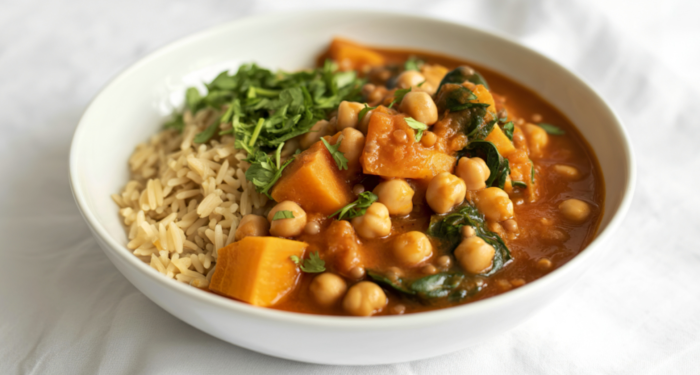
Picture this: I'm at my client's house for dinner, trying to make a good impression. His wife offers me seconds on her homemade hotdish (which I later learned is what they call casserole), and when I say "No thanks, I'm full," she responds with "Oh, you betcha, but I'll just leave this right here for you." Then she puts another massive scoop on my plate anyway.
I sat there completely confused. Did she not hear me? Was this passive-aggressive? It took me three dinner parties to realize this was just classic Midwestern hospitality in action.
After years of living on both coasts and now settling in Austin, I've become something of an amateur anthropologist of regional dinner party linguistics. And let me tell you, nothing prepared me for the delightful confusion of Midwestern dinner phrases.
These aren't just different words for the same things. They're entire conversational patterns that leave coastal folks scratching their heads, wondering if they've accidentally offended someone or missed a crucial social cue.
1. "That's different"
When someone from California tries your experimental fusion dish and says it's "interesting," you know you've missed the mark. But in the Midwest? They'll taste your wasabi-infused meatloaf, pause thoughtfully, and declare it "different."
Is it good different? Bad different? You'll never know.
This phrase is the Swiss Army knife of Midwestern food commentary. It's deployed when Aunt Carol brings her infamous Jell-O salad with suspended hot dogs, or when someone attempts authentic Thai food for the Lutheran potluck crowd.
The beauty of "that's different" lies in its complete ambiguity. It acknowledges that yes, food has been consumed and observed, without committing to any actual opinion that might hurt feelings. Pure genius, really.
2. "Oh, you didn't have to bring anything!"
Show up to a Midwestern dinner party empty-handed and watch the social fabric of the universe unravel.
This phrase is always, always a lie. You absolutely had to bring something. The host will say this while simultaneously looking past you for the dish you definitely should have brought. They're not being dishonest; they're following an ancient social script that requires them to pretend your contribution wasn't expected while being genuinely troubled if you didn't contribute.
On the East Coast, if someone says don't bring anything, they usually mean it. In the Midwest, it's a test of your character.
3. "Oh, for cute!"
The first time I heard this at a dinner party in Wisconsin, I thought I was having a stroke. Someone had brought miniature pies for dessert, and three different people exclaimed "Oh, for cute!"
This isn't a typo. It's not "how cute" or "that's cute." It's specifically "for cute," and it's used to express delight at anything remotely charming, from garnishes to grandchildren's photos passed around during dessert.
Coastal translation: "That's adorable" but with 40% more wholesome energy.
4. "Can I get you something to drink? We have pop"
The pop versus soda debate is well-documented, but what throws coastal visitors is the specificity with which Midwesterners will list every single beverage option in their home.
"We have Coke, Diet Coke, Sprite, orange pop, that flavored water from Costco, milk, orange juice but it might be old, and tap water. The Brita's full too."
In New York, you get offered "something to drink." In the Midwest, you get a full inventory presentation.
5. "Ope, just gonna sneak past ya"
This phrase transcends dinner parties but reaches peak usage when navigating crowded kitchens during meal prep.
"Ope" itself deserves linguistic study. It's not "oops" or "oh." It's a unique Midwestern exclamation that serves as an apology, announcement, and social lubricant all at once.
You'll hear this approximately 47 times during any dinner party as people navigate around each other. It's like echolocation for polite people.
6. "It's fine, really, don't worry about it"
Spill red wine on their grandmother's tablecloth? Break their favorite serving dish? A Midwesterner will say this phrase while internally calculating the exact level of future reciprocal damage they're entitled to.
What makes this baffling to coastal folks is the complete lack of visible emotion. We're used to people either genuinely not caring or obviously being upset. Midwesterners have perfected the art of being simultaneously forgiving and keeping score.
The key tell? They'll bring up the incident exactly once, three years later, as a "funny story."
7. "Well, I suppose..."
This is Midwestern for "yes." But not an enthusiastic yes. It's a yes that's been committee-reviewed, prayed over, and reluctantly approved.
"Would you like another beer?"
"Well, I suppose..."
Translation: Yes, but I need you to know I've considered the moral implications of this decision and don't want to appear greedy.
8. "That's interesting"
When discussing anything controversial at dinner (politics, religion, why their adult son moved to Portland), Midwesterners deploy this phrase like a conversational emergency brake.
You could tell them you've joined a cult that worships fermented cabbage, and they'd nod thoughtfully and say, "That's interesting."
It's the verbal equivalent of Switzerland. Completely neutral, utterly noncommittal, and designed to move the conversation along without anyone having to take a stance.
9. "Let me just clear these dishes real quick"
Finally, this phrase signals the most confusing ritual for coastal visitors: the dish-clearing dance.
The host says this, and suddenly everyone jumps up to help. The host protests. The guests insist. This continues for five full minutes of plate-juggling choreography that would make Broadway jealous.
On the coasts, if someone offers to clear dishes, you let them. In the Midwest, it's the opening move in an elaborate social chess game where accepting help too quickly makes you lazy, but not offering to help makes you rude.
Final thoughts
After all these dinner parties across different regions, I've learned that these Midwestern phrases aren't just quirky regionalisms. They're part of an intricate social system built on minimizing conflict, maximizing politeness, and never, ever making anyone feel bad about their green bean casserole.
Now when I host dinner parties in Austin, I find myself mixing coastal directness with Midwestern warmth. Though I still haven't mastered the art of saying "that's different" with a straight face when someone brings something truly questionable.
The truth is, every region has its own dinner party language. But there's something particularly charming about the Midwestern approach, even if it leaves the rest of us completely confused about whether we should take that last piece of hotdish or not.
(The answer is no, unless three people insist, then you must.)