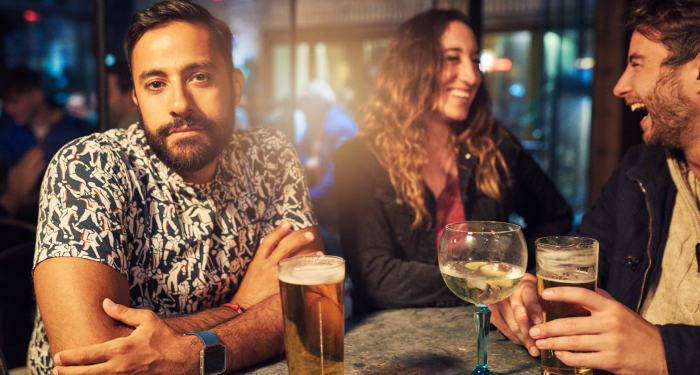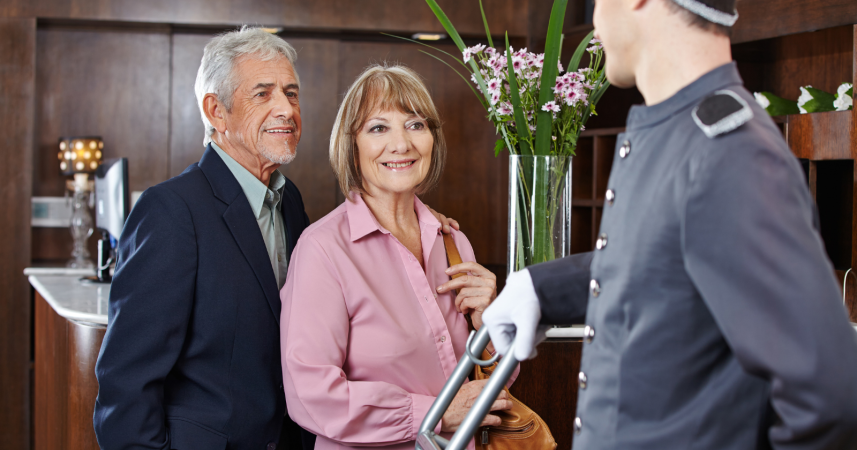
While Boomers treasure their marble check-in counters and silver-domed room service, Gen Z guests are sneaking past the front desk with digital keys, horrified that anyone would willingly let strangers into their room every single day.

Add VegOut to your Google News feed. 
Remember the last time you traveled with your parents? The dramatic sigh when the hotel didn't have a printed newspaper at the door. The confusion about why you'd rather message the front desk than call. The insistence on getting physical room keys "just in case."
There's a generational divide happening in hotels right now, and it's wider than the Grand Canyon. What Boomers consider essential, Gen Z travelers see as outdated relics from another era.
Having spent over a decade in luxury hospitality, I've watched this shift happen in real-time. The expectations that once defined great service are becoming obstacles to what younger guests actually want.
Let's dive into seven hotel expectations that showcase just how differently these generations approach travel.
1. The grand check-in experience at the front desk
Boomers love the ritual. Walk up to the marble counter, chat with the concierge about local recommendations, get handed a folder with your room key and a map of the property. It feels official, welcoming, personal.
Gen Z? They're already checked in on their phone before they hit the lobby.
During my time managing a boutique hotel in Bangkok, I watched younger guests actively avoid the front desk. They'd rather use mobile check-in, grab their digital key, and head straight to their room. No small talk, no waiting, no unnecessary human interaction after a long flight.
The irony is that hotels spent decades perfecting the check-in experience. Training staff to remember names, upgrading lobby designs, creating that perfect first impression. But for digital natives who handle everything from banking to dating on their phones, standing in line at a desk feels like going backward.
One twenty-something guest told me, "Why would I wait to talk to someone when the app already knows my preferences?" Hard to argue with that logic.
2. Daily housekeeping whether you need it or not
For Boomers, fresh towels and a made bed every single day signal quality service. It's what separates a good hotel from a bad one. They expect that knock on the door at 10 AM, the turned-down sheets at night, the bathroom restocked with tiny bottles.
Gen Z travelers find this invasive and wasteful.
They grew up with climate change as a constant headline. They know those daily towel changes mean thousands of gallons of water. They'd rather hang the "Do Not Disturb" sign for their entire stay and request cleaning only when needed.
Plus, there's a privacy element. When you've grown up documenting your life online, you're surprisingly protective of your physical space. Having strangers in your room daily feels uncomfortable, not luxurious.
Hotels are catching on. Many now offer points or credits for skipping housekeeping. What started as cost-cutting during COVID has become a selling point for environmentally conscious travelers.
3. The business center with desktop computers
Walk into any traditional hotel and you'll find it: a sad room with three desktop computers, a printer that probably jams, and office chairs from 2003. Boomers still ask about it. "Where's your business center?"
Meanwhile, Gen Z travelers are confused why it exists at all.
They're carrying more computing power in their pocket than those desktops could dream of. They've been turning coffee shops, airport lounges, and park benches into offices since high school. The idea of going to a designated room to use a shared computer feels like visiting a museum exhibit.
What younger travelers actually want? Reliable WiFi that doesn't require seventeen login steps. Plenty of outlets near the bed. Good lighting for video calls. Maybe a portable ring light available from the front desk.
The modern "business center" isn't a place. It's every corner of the hotel with strong connectivity and a decent backdrop for Zoom.
4. Room service with white tablecloths and silver domes
There's something undeniably classic about traditional room service. The wheeled cart, the dramatic reveal under silver clovers, the crisp white linens. Boomers see it as the height of hotel luxury.
Gen Z sees an overpriced, slow process that makes their food cold.
They're used to DoorDash delivering anything within 30 minutes. They track their driver in real-time. They can order from twenty different restaurants without talking to a single human. Why would they call room service, wait an hour, and pay a 20% service charge plus tip?
Smart hotels are partnering with delivery apps or creating their own streamlined ordering systems. QR code menus, text-to-order services, grab-and-go markets that charge to your room. The fancy cart might be gone, but the convenience is through the roof.
5. Concierge services for recommendations and reservations
The concierge desk used to be command central for any good trip. Need restaurant recommendations? Theater tickets? A car to the airport? The concierge handled it all, armed with local knowledge and a Rolodex of connections.
Gen Z travelers have TikTok, Google Reviews, and OpenTable. They've already researched, booked, and reviewed their entire itinerary before leaving home.
During my years in Austin's food scene, I've watched tourists arrive with more detailed restaurant intel than many locals. They know which dishes to order, which server to request, and exactly where to sit for the best Instagram shot.
When they do need help, they want it delivered differently. Instead of walking to a desk, they'll message the hotel's Instagram or text a chatbot. They want recommendations from someone their age who gets their vibe, not necessarily the guy in the gold-crossed keys.
6. Premium cable TV packages and pay-per-view movies
Boomers judge hotels by their channel lineup. HBO, ESPN, CNN. Maybe some recent movies for $14.99 each. A good TV was once a major selling point.
Gen Z can't remember the last time they watched actual television. They're bringing their own entertainment ecosystem: Netflix, YouTube, Spotify, TikTok. All they need is a TV that works as a monitor.
The smart hotels are ditching cable packages for streaming-ready smart TVs. Let guests log into their own accounts. Provide easy casting from phones. Maybe throw in some premium streaming service logins as a perk.
One hotel manager friend told me they saved thousands monthly by cutting cable and investing in better WiFi instead. Guests under 40 didn't even notice the change.
7. Formal dining rooms with dress codes
Finally, we need to talk about those hotel restaurants that still require jackets for dinner. Boomers appreciate the formality, the sense of occasion, the preservation of standards.
Gen Z would rather eat literally anywhere else.
They've grown up in a food culture where Michelin-starred chefs wear t-shirts and the best tacos come from trucks. Formality doesn't equal quality in their world. It equals stuffiness and probable disappointment.
They want experiences, not etiquette lessons. Food halls, rooftop bars, lobby spaces that transform from coffee shop to cocktail bar. Places where they can work on their laptop over lunch or share small plates with friends at midnight.
Final thoughts
The hospitality industry faces a challenge: how to serve both the generation that built their reputation and the one that will determine their future.
Smart hotels aren't choosing sides. They're creating hybrid experiences. Mobile check-in with staff available for those who want it. Opt-in housekeeping. Streaming services alongside traditional TV. Casual dining with one formal option.
The truth is, neither generation is wrong. Boomers aren't stuck in the past, and Gen Z isn't killing tradition. They just learned to travel in completely different worlds.
What matters isn't which amenities a hotel offers, but whether they understand what their guests actually value. Because at the end of the day, great hospitality has always been about meeting people where they are, not where we think they should be.