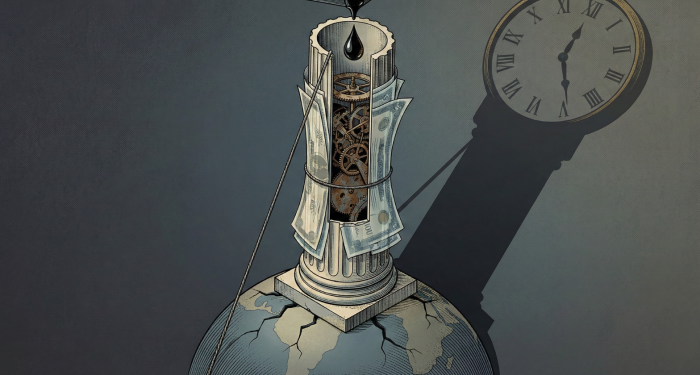
From student debt to climate anxiety, these eight worries reveal why Gen-Z’s struggles are often misread as laziness by older generations.
Every generation faces unique challenges shaped by the world they grow up in.
For older generations, hard work was often the ultimate solution to most problems.
If you were struggling, you pushed through, kept your head down, and did what needed to be done.
But Gen-Z has come of age in a completely different environment—one shaped by technology, economic uncertainty, and rapid social change.
Many of the things they worry about don’t have simple fixes, which can make their choices seem confusing to older adults.
What boomers or Gen Xers might view as “laziness” is often a sign of deeper stress or modern pressures that didn’t exist before.
Here are eight common worries Gen-Z faces that are often misunderstood by older generations.
1. Mental health struggles
Older generations often grew up in a time when mental health wasn’t openly discussed.
Struggling with anxiety, depression, or burnout was seen as something you dealt with privately—or ignored entirely.
Gen-Z, however, is part of a culture that talks openly about mental well-being.
They’re more likely to acknowledge when they’re overwhelmed or need a break.
To some older adults, this can look like weakness or an unwillingness to “push through.”
In reality, Gen-Z is trying to break harmful cycles by prioritizing emotional health.
Taking a day off to rest or going to therapy isn’t laziness—it’s self-preservation.
The difference is in how the struggle is expressed and managed.
2. Job instability and burnout
Boomers and Gen Xers often had clear career paths.
If you worked hard and stayed loyal to a company, you were rewarded with stability and growth.
For Gen-Z, that world barely exists.
They face gig work, contract jobs, and industries that change overnight.
This lack of security creates constant stress about the future.
When they seem hesitant to commit or uninterested in “climbing the ladder,” it’s often because they’ve seen how quickly jobs can disappear.
Older generations might call it flaky or unmotivated.
But to Gen-Z, it’s a realistic response to a rapidly shifting job market.
3. Crushing student debt
For many older adults, college was affordable—or at least far less expensive than it is today.
They could work a part-time job and graduate without decades of debt.
Gen-Z, on the other hand, faces record-high tuition costs.
Many start their adult lives burdened with loans that feel impossible to pay off.
This financial pressure can affect every decision they make, from career choices to where they live.
When they hesitate to take risks or seem slow to move out on their own, it’s often because of this heavy debt load.
Older generations sometimes misinterpret this as laziness or lack of ambition.
In truth, it’s about trying to survive in a financial system that feels stacked against them.
4. Overwhelming cost of living
Housing prices, rent, and basic living expenses have skyrocketed compared to past decades.
For many young adults, even working full-time doesn’t guarantee financial independence.
Gen-Z worries constantly about affording stable housing, healthcare, and essentials.
They may take on side hustles or live with roommates or family longer than previous generations.
From the outside, this can look like avoiding responsibility or failing to “launch.”
But the reality is that the math simply doesn’t add up the way it used to.
Older adults often underestimate how dramatically the cost of living has changed.
What once took one paycheck now often requires two or three.
5. Climate change anxiety
Older generations may care about the environment, but they didn’t grow up with the same urgency Gen-Z feels.
Today’s young adults have been taught from an early age that climate change is an existential threat.
News of wildfires, floods, and record-breaking heatwaves is constant.
This creates a persistent sense of anxiety about the future.
Gen-Z often feels a responsibility to take action, whether through lifestyle changes or activism.
When they seem overly worried or “dramatic” about environmental issues, it’s often because they’ve been raised to understand the stakes.
To older adults, this concern can seem exaggerated.
To Gen-Z, it’s simply facing reality head-on.
6. Fear of failure in a hyper-competitive world
Older generations often grew up with clear milestones: graduate, get a job, buy a house, start a family.
The timeline was straightforward, and there was less pressure to constantly prove yourself.
Gen-Z, however, lives in a world of constant comparison.
Social media amplifies competition, making it feel like everyone else is more successful, talented, or attractive.
This creates immense pressure to achieve at a young age.
When Gen-Z hesitates, second-guesses themselves, or avoids certain opportunities, it may be rooted in fear of falling behind.
To older adults, this can look like procrastination or lack of drive.
But underneath, it’s often deep anxiety about measuring up in an unforgiving world.
7. Information overload and decision fatigue
Previous generations didn’t have to process as much information as today’s young adults.
Gen-Z is constantly bombarded by news, notifications, and choices.
Everything—from what to eat for dinner to which career path to pursue—comes with an overwhelming amount of data and opinions.
This constant mental load can lead to decision fatigue, where even simple tasks feel exhausting.
Older adults might see this as indecisiveness or laziness.
In reality, it’s a reaction to living in a world of nonstop stimulation.
Sometimes, the most productive thing Gen-Z can do is pause and reset.
To older generations, this pause can look like inaction rather than self-care.
8. Wanting purpose, not just a paycheck
Many boomers and Gen Xers grew up believing that work was primarily about earning a living.
Fulfillment was a bonus, not a requirement.
Gen-Z, however, wants their work to have meaning.
They value jobs that align with their ethics and passions, even if it means earning less money.
This search for purpose can sometimes make them appear picky or unwilling to settle.
Older adults may misinterpret this as entitlement.
But Gen-Z sees it as a necessary part of building a life they can feel proud of.
They’re not avoiding work—they’re trying to find work that matters.
Final thoughts: misunderstanding breeds judgment
What older generations often see as laziness is usually something far more complex.
Gen-Z isn’t rejecting hard work—they’re navigating a world with challenges that didn’t exist decades ago.
Their worries about mental health, finances, the environment, and purpose are valid responses to a rapidly changing reality.
By taking the time to understand these pressures, older adults can replace judgment with empathy.
The gap between generations isn’t about who works harder.
It’s about the very different worlds they’ve been asked to work within.
If You Were a Healing Herb, Which Would You Be?
Each herb holds a unique kind of magic — soothing, awakening, grounding, or clarifying.
This 9-question quiz reveals the healing plant that mirrors your energy right now and what it says about your natural rhythm.
✨ Instant results. Deeply insightful.
Related Stories from VegOut
- 9 things boomers sacrificed that their children will never fully understand—and probably couldn't handle if they did
- 8 things lower-middle-class guests do at dinner parties that hosts remember long after they leave—and never mention
- I've visited 67 countries but keep returning to this one place nobody talks about