Every generation has its quirks, but boomers didn’t just have different fashion, music, and slang—they had an entirely different relationship with housework.
Household expectations have shifted dramatically over the decades.
Today, most people juggle careers, side hustles, and digital overload, leaving cleaning and maintenance for when there’s actual time.
But for boomers growing up, certain chores weren’t negotiable.
They weren’t “to-dos” on a weekend checklist—they were rituals.
Daily rituals.
Many were tied to strict cultural norms about appearances, gender roles, and what a “good” household looked like.
Younger generations look at these routines now and think, No way. That’s excessive.
Here are eight chores boomers treated as part of everyday life that younger people wouldn’t put up with now.
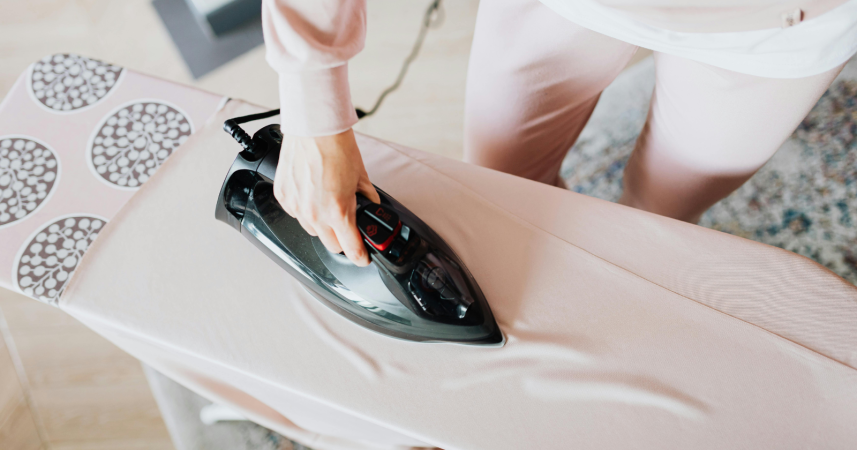
1. Ironing clothes every single day
For boomers, a wrinkled shirt wasn’t just sloppy—it was a moral failing.
Clothes were ironed constantly, sometimes even before they were worn for just a few hours.
School uniforms, work clothes, handkerchiefs, table linens—nothing was safe from the ironing board.
This wasn’t a quick touch-up either. It was an entire production involving starch sprays, careful folding, and precise lines that would make a military officer proud.
Today, younger generations are more likely to throw something in the dryer for five minutes, spritz it with wrinkle-release spray, or simply shrug and wear it crumpled.
The idea of dragging out an ironing board every single morning feels like punishment, not productivity.
For boomers, it was simply part of being “presentable.”
2. Washing dishes by hand after every meal
Before dishwashers were standard, every single plate, fork, and cup had to be scrubbed immediately after use.
Boomers didn’t just leave them to soak—they tackled the dishes after breakfast, lunch, and dinner without fail.
It wasn’t just about cleanliness. It was about discipline.
A clean sink meant a well-run household, and letting dishes pile up was seen as lazy or even shameful.
Younger people today might hand-wash a pan here and there, but they’re far more likely to load a dishwasher once a day—or, let’s be honest, once every few days.
The idea of standing at the sink three times a day like a kitchen soldier feels absurd to many modern households.
Boomers, however, treated it like a sacred duty.
3. Making the bed perfectly, every single morning
For boomers, “making the bed” didn’t mean just pulling up the blanket and calling it good.
It meant hospital corners, decorative pillows, and smoothing every wrinkle until the bed looked like a department store display.
This wasn’t just aesthetic—it was psychological.
A tidy bed symbolized a tidy life.
Some households even had separate “guest beds” that were styled meticulously, even if no one was coming over.
Younger generations? They tend to be more relaxed about it.
Plenty of people simply pull the duvet up halfway—or skip making the bed entirely, especially if they’re rushing to work or classes.
Boomers saw an unmade bed as laziness.
Today, many see it as a realistic acknowledgment of busy schedules and shifting priorities.
4. Sweeping and vacuuming daily
For boomers, floors had to be spotless at all times.
Sweeping wasn’t a weekend activity—it was a daily expectation.
Carpets were vacuumed every evening, even if no one had walked on them. Hardwood floors were swept meticulously to ensure not a single crumb remained.
This obsession was partly cultural.
In many boomer households, cleanliness equaled respectability.
Visitors might drop by unexpectedly, and a dusty floor was considered embarrassing.
Today, most people vacuum once a week—or when pet hair starts to form visible tumbleweeds.
Daily vacuuming feels extreme, especially for households with busy work lives or small apartments.
For boomers, though, anything less was unthinkable.
5. Polishing furniture and silverware constantly
Boomers didn’t just dust. They polished.
Wooden furniture was wiped down with special oils to maintain its shine, while silverware had to be buffed until it practically gleamed.
This wasn’t a once-in-a-while deep clean—it was often done several times a week, if not daily, in some households.
Part of this stemmed from pride in ownership.
Furniture was an investment meant to last decades, so keeping it pristine was non-negotiable.
Today, most younger people rely on inexpensive, replaceable furniture from IKEA or similar stores.
If it gets scratched, they shrug and move on rather than spending hours buffing it back to life.
Silverware polishing, in particular, feels like a relic of a bygone era—one that younger generations have no interest in resurrecting.
6. Cooking three full meals from scratch every day
In many boomer households, every single meal was home-cooked, complete with sides, sauces, and sometimes even dessert.
Breakfast wasn’t a protein bar grabbed on the way out the door—it was eggs, bacon, toast, and maybe even pancakes.
Lunches were prepared in advance.
Dinners were sit-down affairs with multiple courses.
Younger people today are far more likely to rely on meal delivery, takeout, or quick-prep options like frozen dinners and pre-cut vegetables.
Cooking three elaborate meals daily feels not only time-consuming but nearly impossible with modern work schedules.
For boomers, though, it was a standard expectation, especially for women who were often full-time homemakers.
What looks like overkill today was once considered “just taking care of the family.”
7. Daily laundry, no matter how small the load
Before high-capacity washers and quick-dry technology, laundry was a grueling, never-ending chore.
Boomers often did laundry every single day, even if it meant washing just a few items at a time.
Clothes were hand-sorted, pre-treated, washed, hung to dry, and then ironed.
Yes—ironed again.
The logic was that clean laundry couldn’t wait.
Dirty clothes sitting in a hamper were seen as a sign of poor housekeeping.
Younger generations, meanwhile, are happy to let laundry pile up until they have a full load, sometimes going a week or more before tackling it.
Daily laundry isn’t just outdated—it feels borderline obsessive now.
8. Cleaning bathrooms like they were hotel suites
Boomers often cleaned bathrooms top-to-bottom every single day.
Sinks wiped.
Mirrors polished.
Toilets scrubbed.
Shower tiles dried to prevent mildew.
It wasn’t just about hygiene—it was about image.
The bathroom was a reflection of the entire household.
A guest encountering a water spot on a faucet might as well have seen a neon sign reading, This family is sloppy.
Younger people typically clean bathrooms once or twice a week, focusing on function rather than constant perfection.
Daily scrubbing feels excessive when there are work deadlines, kids’ schedules, and actual lives to manage.
Boomers, though, treated it like gospel.
The bigger picture
These chores weren’t just tasks—they were reflections of values.
For boomers, a clean, well-run home was proof of discipline, respectability, and success.
But those expectations were built on a very different lifestyle.
Many households had one partner staying home full-time, and community norms reinforced constant upkeep as a measure of worth.
Younger generations live in a different world.
Dual-income households, longer work hours, and shifting priorities mean that daily deep-cleaning rituals feel unrealistic—and, frankly, unnecessary.
It’s not that younger people are lazy.
It’s that they define “a well-run home” differently, one where mental health and rest matter as much as spotless floors and polished silver.
Closing thought
Boomers may shake their heads at today’s more relaxed standards, wondering how anyone can live without vacuuming every day or ironing their pillowcases.
But times have changed.
Technology has evolved.
Expectations have shifted.
And what once signaled pride now just looks like pressure.
So if you don’t iron your socks or scrub your shower tiles daily, you’re not failing—you’re simply living in a different era, one where balance matters more than perfection.
What’s Your Plant-Powered Archetype?
Ever wonder what your everyday habits say about your deeper purpose—and how they ripple out to impact the planet?
This 90-second quiz reveals the plant-powered role you’re here to play, and the tiny shift that makes it even more powerful.
12 fun questions. Instant results. Surprisingly accurate.