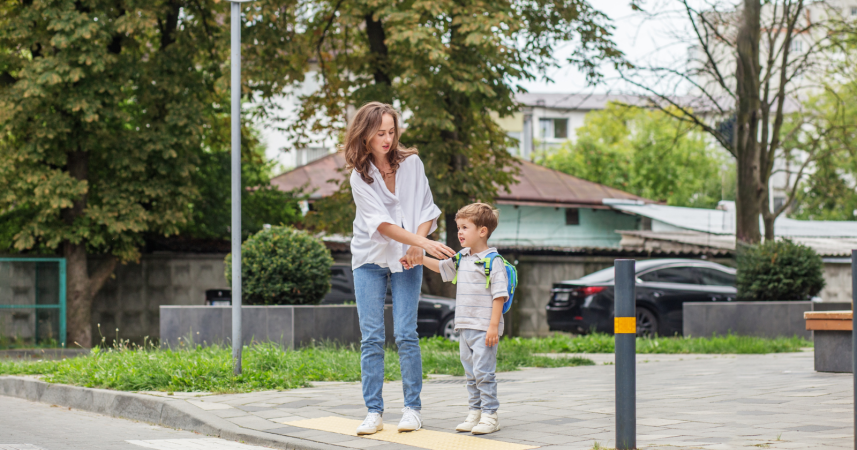
Lower middle class parents raise kids with deep values - humility, gratitude, and resilience - lessons the upper classes quietly admire but cannot always teach.

Add VegOut to your Google News feed. 
Not all valuable lessons come from wealth.
In fact, some of the strongest life skills are born from modest beginnings.
Lower middle class parents may not have the privilege of private schools or trust funds, but they raise kids who are grounded, capable, and real.
They teach lessons that can’t be bought - the kind that stay useful no matter how much life changes.
These values build resilience, gratitude, and character.
And while upper class families might not say it out loud, they often admire the depth these lessons create.
Here are ten things lower middle class parents teach their kids that wealthier families quietly wish they could.
1. How to find joy in small things
Lower-middle-class parents know that happiness does not have to be expensive.
They show their kids how to make fun out of simple moments - backyard games, movie nights, and shared meals.
They teach them that joy comes from connection, not consumption.
When you grow up celebrating the little things, you carry contentment wherever you go.
That mindset makes life fuller, even without luxury.
It builds gratitude, which many wealthier kids struggle to feel.
Happiness learned this way lasts much longer than material excitement.
It becomes part of who you are.
2. How to work for what you want
Nothing is handed out easily in a lower middle class household.
Parents teach their children early that effort brings reward.
They learn to earn their spending money, save for what they want, and take pride in every accomplishment.
Work ethic becomes a core part of their identity.
They do not expect shortcuts or handouts.
This grounded approach to effort builds confidence and self-worth.
Upper-class families often admire this quiet discipline, even if they rarely experience it firsthand.
Hard work learned young becomes independence in adulthood.
3. How to fix things instead of replacing them
Lower-middle-class parents pass down a strong sense of practicality.
They teach their kids to repair before buying new.
Sewing a button, tightening a bolt, or repainting a wall are all lessons in responsibility.
It is about care, not convenience.
They teach resourcefulness through action, not lectures.
Children raised this way become creative problem-solvers who know the value of what they own.
Upper-class families often miss out on this skill because replacement feels easier than repair.
But fixing something yourself brings pride that money can’t replace.
4. How to stay humble no matter what
Lower-middle-class families value humility over status.
They teach their kids to treat everyone the same - no matter how rich or powerful someone seems.
Arrogance is frowned upon, gratitude is respected.
This gives their children an emotional intelligence that stands out later in life.
They grow up appreciating effort and kindness instead of prestige.
Wealthier families sometimes envy that natural humility.
It creates people who are comfortable anywhere and with anyone.
True confidence never needs to be loud.
5. How to make something from nothing
Lower-middle-class parents are masters of creativity.
They know how to turn limited resources into something meaningful.
Birthday parties with homemade decorations, school projects built from scrap materials, or meals made from whatever is left in the pantry.
These moments teach kids imagination, adaptability, and gratitude.
They grow up knowing that beauty and joy can come from effort, not price tags.
That skill creates resilience later in life.
When money is not the answer, creativity becomes the solution.
And that is something even the wealthy cannot buy.
6. How to help without expecting credit
In lower-middle-class homes, helping others is a normal part of life.
It might be watching a neighbor’s kids, sharing food, or lending tools.
These acts are small, but they build a culture of kindness.
Children learn that generosity is not about recognition - it is about care.
They see their parents give quietly and consistently.
It teaches empathy without ego.
Wealthier environments often link generosity to charity events or publicity.
But this quiet, everyday giving is what truly builds community.
7. How to stretch money wisely
Budgeting is second nature in lower-middle-class households.
Kids grow up watching their parents plan carefully, compare prices, and make things last.
They learn the difference between needs and wants.
They understand value because they see how much effort goes into every paycheck.
This financial awareness becomes lifelong stability.
It creates adults who manage their resources with discipline.
Even wealthier families admire that kind of practical intelligence.
It is one of the most underrated life skills there is.
8. How to stay grounded in success
When lower-middle-class kids achieve something big, their parents remind them where they came from.
They celebrate, but they stay humble.
Success is meant to be shared, not flaunted.
They teach that pride is best shown through gratitude, not boasting.
That grounded attitude keeps children balanced even as they rise.
It prevents entitlement and nurtures perspective.
Upper-class families often wish they could instill that same kind of emotional grounding.
It protects success from turning into arrogance.
9. How to show respect without fear
Lower-middle-class parents place strong emphasis on respect.
Kids learn to say please, thank you, and to acknowledge people with kindness.
But this respect comes from awareness, not intimidation.
They are taught to respect janitors and CEOs the same way.
It builds character and self-respect at the same time.
It is about treating everyone with dignity.
That kind of upbringing creates emotionally intelligent adults who know how to connect with all kinds of people.
It is a quiet strength that stands out everywhere they go.
10. How to find pride in effort, not status
In lower-middle-class families, effort is everything.
They celebrate hard work, persistence, and doing the right thing even when no one is watching.
They teach their children that success means being honest and reliable.
Titles, cars, and addresses mean little compared to integrity.
That is why lower-middle-class kids often grow into dependable, self-made adults.
They understand that success without humility feels empty.
Wealth can fade, but character endures.
And that lesson is priceless.
Final thoughts: true wealth is in values
Lower-middle-class families may not have the luxuries of the upper class, but they have something richer - wisdom born from reality.
They teach emotional resilience, gratitude, and empathy.
They raise children who know how to endure, adapt, and care.
The world could use more of those values.
Because at the end of the day, wealth fades, but character lasts forever.
And that is what real pride looks like.