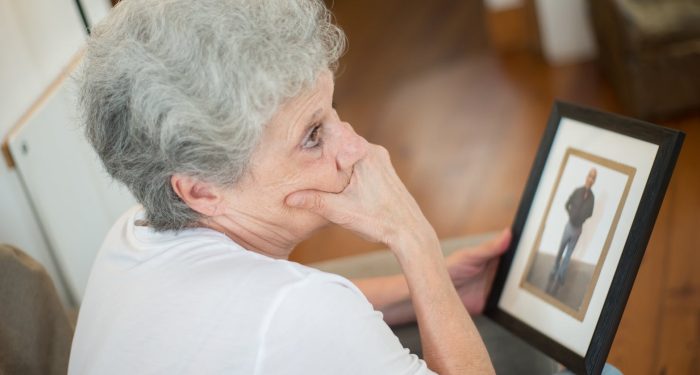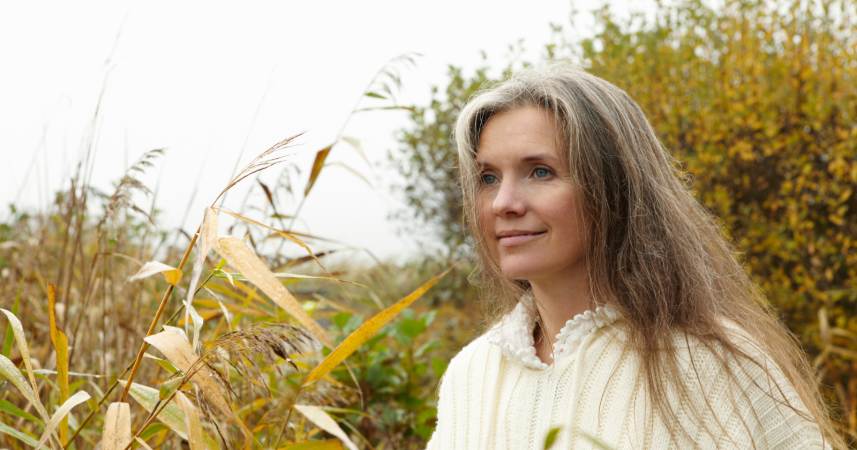
We're Gen Jones, born roughly between 1954 and 1965, always craving something more, raised on hope but coming of age just as that optimism began to fade.

Add VegOut to your Google News feed. 
There’s a line I hear a lot these days: “Age is just a number.”
But if you were born between the mid-1950s and mid-1960s — that in-between pocket between Baby Boomers and Gen X — you know that number often feels loaded.
We’re not quite Boomers, with their postwar optimism and lifelong careers. And we’re not quite Gen X either, with their digital-native adaptability and ironic detachment.
We’re the in-betweeners. The bridge generation. The ones who grew up with black-and-white TVs and now use smartphones to video chat with our grandchildren.
And as we enter our 60s, many of us are quietly reinventing what this stage of life looks like.
The forgotten generation
Social commentator Jonathan Pontell called us Generation Jones — the cohort born roughly between 1954 and 1965.
He described us as the “Jonesers” — always craving something more, raised on hope but coming of age just as that optimism began to fade.
We were too young to protest in the 1960s, but we grew up with their slogans still echoing in our ears. We believed in equality, freedom, and opportunity — and then watched the world change around us.
By the time we entered the workforce, the rules had shifted. The economy was tightening, jobs were becoming less secure, and gender roles were being rewritten.
We were told to “work hard and you’ll succeed” — and many of us did. But it wasn’t easy. We navigated recessions, redundancies, and the rise of technology that changed everything from how we communicate to how we work.
And yet, through all that upheaval, we adapted.
We learned to reinvent — again and again
We’ve lived through enormous change. We went from vinyl to streaming, letters to emails, careers-for-life to side hustles and self-employment.
We were the first generation to see computers land on our desks — and the first to have to learn them mid-career, often with no roadmap.
That constant need to evolve built something powerful in us: resilience.
We became lifelong learners before the term existed. We adjusted, retooled, and found new ways to stay relevant. And now, as we step into what used to be called “retirement,” we’re doing it again — reinventing ourselves one more time.
Some of us are starting small businesses, mentoring younger people, or volunteering in causes we care deeply about. Others are exploring encore careers, travel, or creative pursuits that once sat on the back burner.
We’re too curious to settle and too capable to fade quietly.
Our relationship with aging is changing
When our parents reached their 60s, many of them were slowing down, even preparing to withdraw from work or community life.
But we’re doing things differently.
Today, there’s growing evidence from neuroscience and psychology that staying curious, socially connected, and engaged in purposeful activities supports both brain health and emotional well-being.
We’ve absorbed that message — and we’re living it.
We’re taking fitness classes, learning languages, joining creative groups, and embracing technology that keeps us connected. We’re reframing aging from a decline into a stage of renewal.
In fact, studies from places like Harvard’s Study of Adult Development — one of the longest-running studies on happiness — show that maintaining strong relationships and pursuing meaning-rich activities are the key predictors of well-being in later life.
And that’s exactly what our generation is leaning into.
We never lost our drive
Jonathan Pontell once said that Generation Jones embodies a “still hungry” mindset — never quite satisfied, always striving for more.
That used to sound like a flaw. Now, I see it as a strength.
We’ve always been seekers — of meaning, of fairness, of growth. And in midlife and beyond, that same drive is what’s helping us thrive.
In my own life, I’ve seen this shift firsthand. After decades in education and leadership, I realized I didn’t want to simply retire. I wanted to reimagine — to create something that aligned with who I’d become.
So, like many in my generation, I stepped into a new chapter that combines purpose and flexibility — teaching, writing, and helping others design meaningful lives of their own.
That’s the beauty of this stage: it’s no longer about status or success. It’s about contribution and connection.
We’re shaping a new story of later life
When you look around, you’ll see it everywhere — people in their 60s and 70s hiking, teaching, mentoring, starting new ventures, and living with curiosity.
We’re not chasing youth; we’re embracing vitality.
Sociologists call it the rise of the “third act” — a stage where identity and meaning take center stage. It’s not about winding down but about redesigning life with intention.
And perhaps that’s what makes this generation so fascinating: we’re quietly modeling a new kind of later life — one that values wisdom as much as ambition, and freedom as much as stability.
We may be in-between — but that’s our superpower
It’s easy to feel invisible when you don’t fit neatly into a generation box. But the truth is, our in-betweenness has always been our strength.
We can speak both languages — analog and digital, old-school and new-school. We’ve lived enough to understand patience but stayed open enough to keep learning.
That combination — experience plus adaptability — is what makes our generation uniquely equipped for this moment in history.
Because as the world faces rapid change yet again, it’s people like us — the ones who’ve weathered shifts before — who know how to navigate it with grace.
Final thoughts
We might be “too young to be old, too old to be young,” but that just means we’ve earned the best of both worlds.
We’ve seen enough to be wise, but we’re still curious enough to grow.
We’re the bridge generation — steady, adaptable, and still dreaming.
And our second act? It’s just getting started.