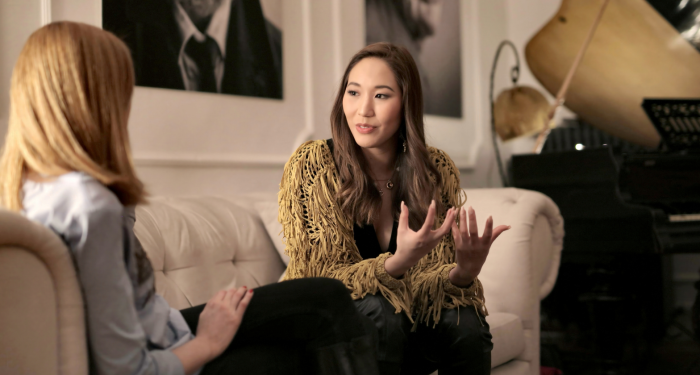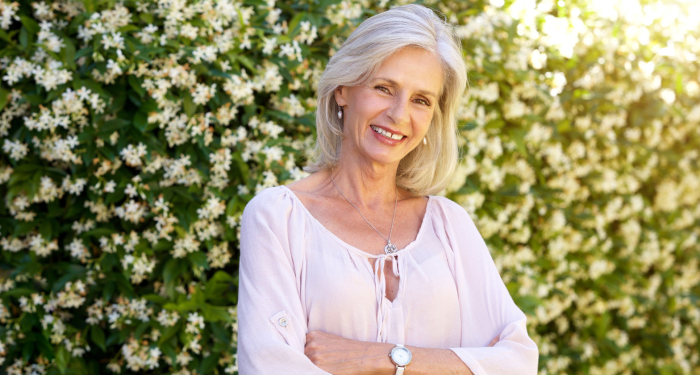
The ache of being unseen in a room full of people isn't about introversion or social anxiety — it's about losing access to the version of yourself that once felt most real, and discovering that no one around you even knows she existed.

Add VegOut to your Google News feed. 
There's a particular kind of pain that research psychologists have spent decades trying to name, and the closest they've come is this: social pain activates the same neural pathways as physical injury. Matthew Lieberman's neuroimaging work at UCLA demonstrated that the dorsal anterior cingulate cortex — the same brain region that lights up when you break a bone — fires with equal intensity during experiences of social exclusion. But here's what I find more striking than the exclusion itself: the pain isn't always about being left out. Sometimes it's about being let in — welcomed, even — and still feeling like a stranger.
I've been thinking about this a lot lately, because the loneliest version of retirement isn't the quiet Tuesday afternoon when nobody calls. Most of us adapt to that. We find a rhythm. We walk the dog, prepare a slow lunch, read something that matters. The truly disorienting loneliness comes at the holiday gathering, the reunion dinner, the neighborhood potluck where everyone seems genuinely happy to see you — and yet not a single person in that room knows the version of you that mattered most.
The Self That Disappears When the Role Ends
For decades, your identity was layered and complex. You were the one who could walk into a boardroom and shift the energy. Or the teacher whose students came back years later to say you changed something in them. Or the organizer, the creator, the person others turned to when things fell apart. That version of you was known. Witnessed. Reflected back to you in a hundred small ways every week.
Then retirement happens, and often what replaces that rich identity is something flatter. You become "retired." You become someone's grandmother, someone's neighbor, the nice woman who brings food to the block party. All lovely things. All genuine. But none of them carry the full weight of who you are.
This is what psychologist Arthur Brooks calls the "striver's curse" — the painful discovery that the competencies and roles that once defined you have a shelf life in other people's perception. Brooks writes about it in the context of professional decline, but I think it's more universal than that. It's about the gap between your internal self-concept and how others now see you. And that gap can feel like grief.
I spoke with a woman named Diane last year who put it so precisely I wrote her words down: "They see a seventy-two-year-old in sensible shoes. They have no idea I once ran a department of forty people and could solve problems in my sleep. I'm not nostalgic for the job. I'm nostalgic for being seen."
That distinction matters enormously. It's rarely about wanting the old life back. It's about wanting the internal complexity of who you still are to be recognized by the people standing right in front of you.

Why "Just Join Something" Misses the Point
The standard advice for retirement loneliness tends to be structural: join a club, volunteer, take a class. And those things can be genuinely nourishing — the quiet acts of contribution that people over seventy offer their communities are often profoundly meaningful. But joining something doesn't automatically resolve the particular ache I'm describing here, because the problem isn't a lack of social contact. It's a lack of social depth.
Neuroscientist John Cacioppo, who spent his career studying loneliness before his death in 2018, made a critical distinction between objective social isolation (actually being alone) and perceived social isolation (feeling alone even when surrounded by people). His research showed that perceived isolation was the stronger predictor of health decline, cognitive deterioration, and even mortality. In other words, being in a crowded room where no one knows you — really knows you — is physiologically more damaging than sitting home alone on a Wednesday.
That finding should change how we think about retirement well-being entirely. Because the prescription isn't simply more people. It's the right kind of knowing.
The difference between being liked and being known
There's a warmth to being liked. People smile at you, include you, remember your name. But being known requires something different. It requires that someone holds a version of you that includes your contradictions, your history, your rough edges, the things you're proudest of and the things you'd do differently.
Brené Brown's research on belonging makes a useful distinction here. In her framework, true belonging isn't about fitting in — it's about being accepted as you actually are, not as the polished, pleasant version you present at social gatherings. Her work on vulnerability and authentic connection suggests that belonging requires a willingness to be seen in our complexity, not just our agreeableness.
And this is where retirement can quietly devastate people. Because the social contexts that once held our complexity — work teams, professional relationships, long-running collaborations — often dissolve. What remains are the relationships where we're known primarily through one lens: parent, spouse, retiree, neighbor. Lovely lenses, every one. But incomplete.
What Conscious Connection Actually Requires
One of the things I've noticed in my coaching work, and in my own life honestly, is that the people who navigate this transition most gracefully tend to do two things. First, they actively cultivate at least one relationship where they can be fully known. And second, they stop waiting for others to ask the right questions and start offering their own stories instead.
This isn't about oversharing at dinner parties. It's about what psychologists call self-disclosure reciprocity — the well-documented finding that deeper relationships form when people take turns revealing something real about themselves. Research by Collins and Miller found that people who disclose more are liked more, people who are disclosed to like the discloser more, and people disclose more to those they already like. It's a virtuous cycle, but someone has to go first.
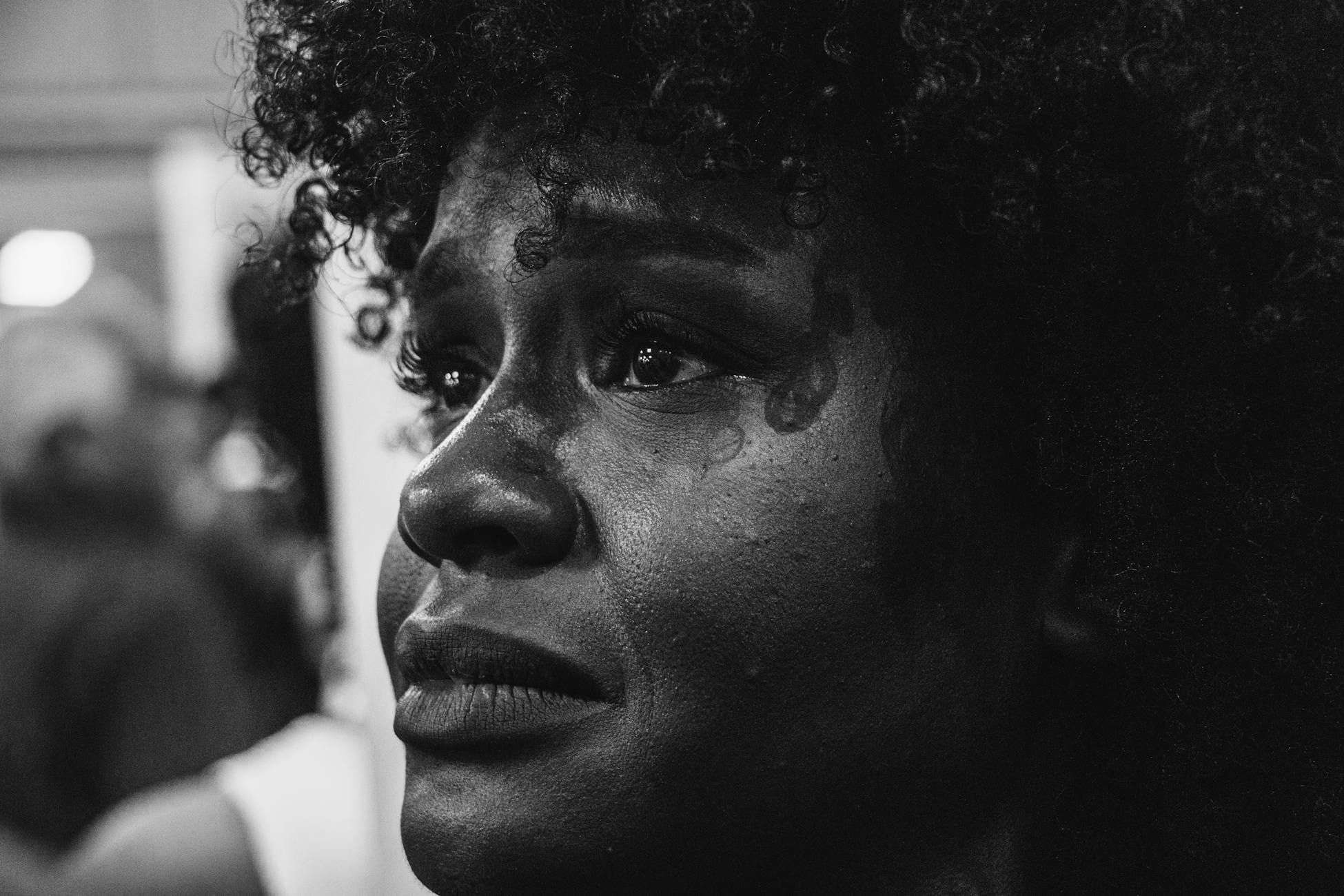
Going first can feel terrifying after decades of professional composure. Many of us built entire careers on being the steady one, the competent one, the person who held everyone else together. Admitting that you feel unseen requires a different kind of strength.
I think about a friend of mine who, at seventy, finally had the most honest conversation of a four-decade friendship — admitting something she'd carried silently for years. It didn't destroy the relationship. It finally made it real. That's what being known looks like. It's risky. It's also the only thing that actually works.
Rebuilding Identity Beyond the Role
Richard Leider, who has spent decades studying purpose, talks about identity in retirement as something that needs to be actively reconstructed, not just preserved. He uses the phrase "repacking your bags" — deciding what to carry forward from your former life and what to set down. The version of you that mattered most doesn't have to stay locked in the past tense. But it does need a new context, new witnesses, and often a new form of expression.
For some people, that reconstruction happens through creative work. For others, through mentoring. For many in the plant-based community, it happens through a deepening alignment between values and daily life — the kind of intentional, conscious living that draws together ethics, wellness, and identity in a way that feels whole rather than fragmented.
What matters isn't the specific vehicle. What matters is that the reconstruction is deliberate. Because retirement doesn't automatically shrink you. Unconscious drift does.
Three practices that help
Name what you carry. Write down the three qualities or contributions from your working life that you're most proud of. Not job titles — qualities. The ability to see what others missed. The patience to develop people. The courage to make hard calls. These are yours. They didn't retire when you did.
Find at least one person who holds your full story. This might be an old colleague, a sibling, a friend from a different era of your life. Invest in that relationship with the seriousness it deserves. Call them. Meet them. Let the conversation go somewhere real. The people we spend our time on in this chapter of life matter more than we often recognize.
Offer your story before waiting to be asked. At the next gathering where you feel invisible, try this: share one thing about yourself that has nothing to do with your current circumstances. Not to impress — to connect. You might be surprised by what opens up.
The Version of You That Still Matters
Here's what I want to say most plainly: the version of you that mattered most hasn't disappeared. She's still in the room. She's just waiting for someone to recognize her — and sometimes, she needs to reintroduce herself.
That crowded room full of people who see only "retired" or "grandmother" or "the quiet one at the end of the table" isn't your final audience. It's an invitation. To find the spaces where your full self is welcome. To build or deepen the relationships where complexity is honored. To stop shrinking yourself into the smallest, safest version just because the professional stage went dark.
If you're in this particular passage right now — recognizing the gap between who you know yourself to be and who others seem to see — I put together a free resource called Thrive In Your Retirement that addresses exactly this kind of identity work. Because thriving isn't about staying busy. It's about staying whole.
I built Your Retirement Your Way specifically for people navigating this transition—it's about reclaiming who you are beyond your work identity and building a retirement that feels authentically yours. The framework helps you rebuild that sense of mattering, but on your own terms this time.
The loneliest moment in retirement isn't the quiet house. It's the loud room where no one sees you clearly. But that moment doesn't have to be the ending of the story. It can be the beginning of something more honest, more intentional, and ultimately more connected than anything that came before.
What’s Your Plant-Powered Archetype?
Ever wonder what your everyday habits say about your deeper purpose—and how they ripple out to impact the planet?
This 90-second quiz reveals the plant-powered role you’re here to play, and the tiny shift that makes it even more powerful.
12 fun questions. Instant results. Surprisingly accurate.