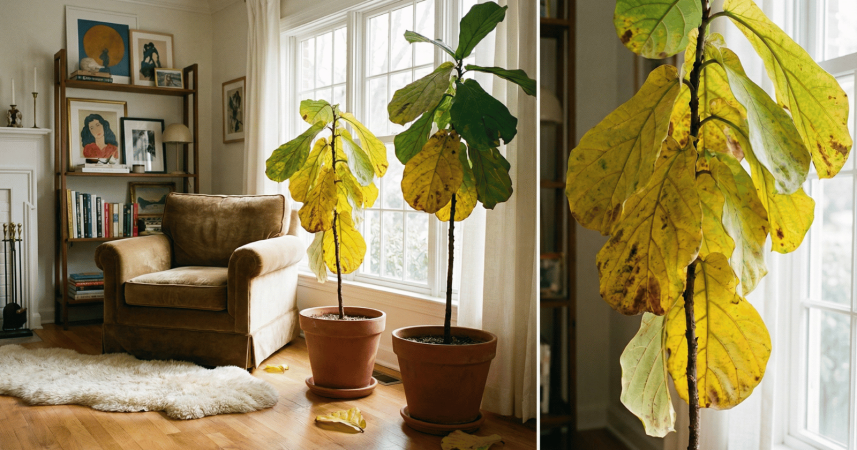
That yellowing leaf on your favorite houseplant might just need the nitrogen-rich coffee grounds you threw away this morning—a simple kitchen waste trick that transformed my dying herb garden into a jungle I now have to give away.
Ever walked past your houseplants and noticed those telltale yellow leaves staring back at you? Yeah, me too. Just last week, I was watering my pothos when I realized it looked more like a sad autumn tree than the vibrant green companion I'd brought home from the farmers market.
Yellow leaves are basically your plant's way of sending an SOS. Could be overwatering, underwatering, lack of nutrients, or about a dozen other things. But here's what I've discovered after killing (and reviving) more plants than I care to admit: sometimes the solution is sitting right there in your kitchen trash.
Coffee grounds. That's it. That's the secret.
Before you roll your eyes and click away, hear me out. This isn't some trendy plant hack that'll disappear next month. There's actual science behind why your morning coffee habit could save your dying plants.
Why yellow leaves are your plant's cry for help
Plants turn yellow for the same reason we look pale when we're sick - something's off with their nutrition. Most of the time, it's a nitrogen deficiency. Nitrogen is like the protein shake for plants. They need it to produce chlorophyll, which keeps them green and helps them convert sunlight into energy.
Without enough nitrogen, your plant starts breaking down the chlorophyll in older leaves to feed new growth. The result? Those sad yellow leaves that make you feel like a failed plant parent.
I learned this the hard way when I first moved to Venice Beach. My balcony herb garden looked great for about two weeks, then my basil started looking like it had given up on life. A neighbor, who'd been growing plants on her fire escape for twenty years, walked by and said, "You composting your coffee grounds?" Changed everything.
The coffee ground solution nobody talks about
Here's what makes coffee grounds so perfect for yellowing plants: they're packed with nitrogen. About 2% by volume, which might not sound like much, but it's exactly what your nitrogen-starved plants are craving.
But wait, there's more. (I know, I sound like an infomercial, but stick with me.) Coffee grounds also contain phosphorus and potassium, the other two nutrients in the holy trinity of plant food. Plus trace minerals like calcium and magnesium.
The best part? You're probably throwing away this plant superfood every single morning.
I've been using coffee grounds on my plants for three years now, and the transformation is almost embarrassing. Remember that dying basil? It's now so bushy I have to give away bunches to neighbors because I can't use it all.
How to actually use coffee grounds without killing your plants
Okay, before you dump your entire French press onto your fiddle leaf fig, we need to talk strategy. Because yes, you can absolutely overdo this and make things worse.
First rule: never use hot coffee grounds. Let them cool completely. Hot grounds will shock your plant's roots and potentially kill beneficial microorganisms in the soil.
Second rule: moderation is everything. You want to sprinkle a thin layer on top of the soil, maybe a quarter-inch at most. Think of it like seasoning food - you can always add more, but you can't take it back once it's there.
Mix the grounds gently into the top inch of soil. Don't just leave them sitting on top where they'll form a weird crusty layer that repels water. I learned this one the hard way with my monstera. Created what basically looked like a coffee ground desert on top of the soil. Not cute.
For most houseplants, adding coffee grounds once a month is plenty. If you're dealing with serious yellowing, you could do it every two weeks until you see improvement, then back off.
Which plants love coffee grounds (and which ones don't)
Not all plants are coffee addicts. Some actually hate the stuff.
Plants that thrive with coffee grounds are typically acid-lovers. Your roses, azaleas, hydrangeas, and most tropical houseplants will thank you for it. Pothos, philodendrons, and peace lilies? They're all about that coffee life.
African violets particularly love coffee grounds. So do jade plants, Christmas cacti, and snake plants. Basically, if it's a common houseplant that isn't a succulent, it'll probably appreciate some coffee ground action.
But here's where people mess up: they assume all plants want acidic soil. Lavender, rosemary, and most Mediterranean herbs actually prefer alkaline soil. Adding coffee grounds to these plants is like forcing them to drink orange juice after brushing their teeth. Not pleasant.
Succulents and cacti are also generally not fans. They're adapted to nutrient-poor soil, and coffee grounds can actually cause root rot in these desert dwellers.
The hidden benefits nobody mentions
Beyond fixing yellow leaves, coffee grounds do some pretty amazing things for your plants that nobody really talks about.
They improve soil structure, especially in those cheap potting mixes that turn into concrete after a few waterings. The grounds help create air pockets that roots need to breathe and grow.
They also attract earthworms if you have any outdoor pots. I know, worms in your plants might sound gross, but they're basically free fertilizer factories, breaking down organic matter and leaving behind nutrient-rich castings.
Coffee grounds can even help deter certain pests. Slugs and snails apparently hate crawling over them. Though honestly, if you have slugs in your indoor plants, coffee grounds are probably the least of your worries.
When coffee grounds aren't enough
Look, coffee grounds are amazing, but they're not magic. Sometimes yellow leaves indicate bigger problems that leftover espresso can't fix.
Root rot from overwatering? Coffee grounds won't help. In fact, they might make it worse by retaining more moisture. If your soil smells funky or stays wet for more than a week after watering, you need to repot, not add coffee.
Pest infestations can also cause yellowing. Check under leaves for tiny bugs or webbing. Spider mites, in particular, love to suck the life out of plants, leaving them yellow and sad.
Light issues are another culprit. Your plant might be getting too much direct sun (yes, that's a thing) or not enough light altogether. Coffee grounds can't fix a plant that's literally starving for photons.
Wrapping up
Yellow leaves don't have to mean game over for your houseplants. Most of the time, they're just hungry for nitrogen, and those coffee grounds you've been tossing can be their salvation.
Start small. Pick one yellowing plant and try the coffee ground treatment for a month. Sprinkle, mix gently, water normally, and watch what happens. I'm betting you'll see new green growth within two weeks.
The beauty of this solution is its simplicity. You're not buying expensive fertilizers or complicated soil amendments. You're literally recycling something you'd throw away anyway.
Just remember to let the grounds cool, use them sparingly, and avoid using them on plants that prefer alkaline soil. Do that, and you'll probably find yourself with the opposite problem - plants that grow so well you run out of windowsill space.
Trust me, it's a good problem to have. Now if you'll excuse me, I need to brew another pot of coffee. For the plants, obviously.