The loneliness that cuts deepest isn't the kind that finds you alone on a Friday night — it's the kind that sits beside you at a full Thanksgiving table, surrounded by people who love you but have quietly stopped wondering what you think.

Add VegOut to your Google News feed. 
Last Sunday, I watched a woman at the farmers' market — she must have been in her early seventies — pick up a bunch of fresh basil and hold it to her nose like she was remembering something. Her daughter was beside her, scrolling through her phone, occasionally nodding. The older woman said something about how basil used to grow wild behind her grandmother's house. The daughter said, "Mm-hmm." Then the daughter looked up and said, "We should go, Mom. Liam has soccer at two."
The woman set the basil down. She didn't buy it. She followed her daughter to the car without another word.
And I stood there holding my own bag of tomatoes, feeling something crack open in my chest — not because it was dramatic, but because it was so ordinary. So daily. So invisible.
That moment was loneliness. Not the kind most people picture — not an empty apartment, not eating dinner alone, not the absence of anyone who cares. This was the other kind. The kind psychology says is actually harder on us.
The Loneliness That Hides Inside Love
When we hear the word "loneliness," most of us imagine isolation — someone physically alone, disconnected from community, without people to call. And that kind of loneliness is real and devastating. But there's a quieter version that research is only beginning to give language to, and it's the kind that happens inside relationships, inside families, inside homes where love technically exists but something essential has gone missing.
Psychologists call it emotional loneliness — and it's distinct from social loneliness. Research by Daniel Perlman and Letitia Anne Peplau made this distinction decades ago, identifying that loneliness isn't about the number of people around you but the perceived quality of your connections. You can have a full house and an empty sense of belonging.
And here's what makes it so insidious: when you're surrounded by family who love you — who would show up if you were in the hospital, who would never dream of abandoning you — it becomes almost impossible to name what's wrong. Because nothing is wrong, exactly. They're right there. They just... stopped asking.
When Love Becomes Logistical
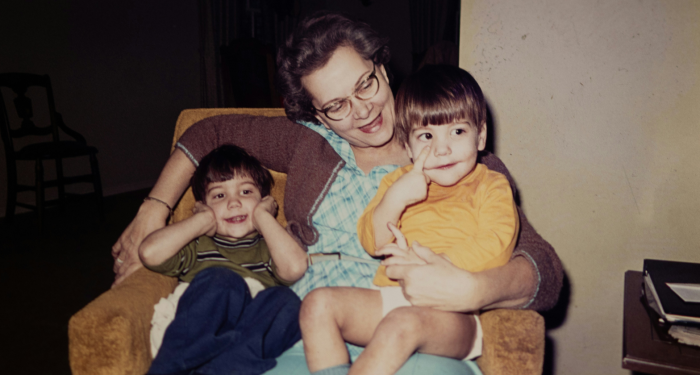
There's a shift that happens in families — sometimes gradually, sometimes overnight — where a person moves from being a participant to being a presence. You're still there. You're still accounted for. But you've become more like furniture than a conversation partner. Your name is on the group text, but nobody's waiting for your reply. Sunday dinner still happens, but the discussions that matter happened earlier, among the people whose opinions still carry currency.
If you've ever sat at your own family table and realized that nobody's asked you a direct question in forty-five minutes — not "Can you pass the salt," but a real question, the kind that invites you to share a thought, an experience, a piece of yourself — then you know exactly what I'm talking about.
It's not cruelty. That's the part that makes it so hard to process. Nobody decided to exclude you. It just... happened. Your role in the family ecosystem shifted from active contributor to beloved backdrop. And beloved backdrops don't get to complain, because they're still beloved.
This is especially common for people of a certain generation — the ones who were taught that being needed was the same as being valued. When the needing stops, the ground disappears.
7 Ways This Loneliness Shows Up (and Why Nobody Talks About It)
1. Plans are announced, not discussed
There was a time when the family vacation, the holiday schedule, even what to have for dinner on Saturday involved your input. Now you hear about plans after they've been made. "We're going to Cabo in March" or "We decided to do Christmas at Sarah's this year." The word we doesn't include you anymore — it refers to the younger generation coordinating among themselves. You're welcome to come. You're just not part of the deciding.
2. Your stories get interrupted or redirected
You start telling something — a memory, an observation, something that happened at the store — and before you finish, someone pivots. "Oh that reminds me—" and suddenly your story is a springboard for theirs. Not because they're unkind. Because your story has become scenery. It doesn't carry the weight it used to.
3. Your phone stays quiet for days
Not because anyone's angry. Not because anything happened. Just because no one thought to call. And when you call them, the conversations are pleasant — warm, even — but short. "Everything's good, just busy." The subtext isn't hostility. It's sufficiency. They're sufficient without you, and they don't realize that sufficiency feels like a door closing.
4. Holidays become performative
Everyone gathers. Hugs happen. Photos are taken. But the real connection — the lingering at the table, the asking "What have you been thinking about lately?" — that's gone. You perform family for three hours, and then everyone has somewhere to be. The conversations that would actually strengthen your bond never happen because the schedule is too full for them.
5. You become the person they "check on" rather than confide in
There's a devastating difference between being checked on and being confided in. Being checked on means someone's making sure you're alive, healthy, not in crisis. Being confided in means someone trusts your perspective enough to bring you their mess — their doubts, their fears, their real life. When you move from confidante to wellness check, you feel it in your bones even if you can't articulate it.
6. Your advice is received politely but not taken
You offer a thought — about their job, their kid, their relationship — and you get the nod. The "Thanks, Mom" or "That's a good point" that clearly means the conversation is over. They're not going to think about what you said. They asked their friend, their therapist, their partner. You're not in the advisory circle anymore. You're in the appreciation circle, which is a much lonelier place to stand.
7. You start censoring yourself to avoid being "too much"
This might be the most painful one. You learn — slowly, through a thousand micro-rejections — to take up less space. You stop offering opinions. You stop suggesting restaurants. You stop forwarding articles. You become smaller in the family ecosystem because every time you tried to be your full self, the response was polite indifference. And so you shrink. Not because they asked you to, but because the silence taught you to. People who find themselves constantly apologizing even when they've done nothing wrong know this pattern intimately — the slow self-erasure that happens when you stop trusting that your presence is wanted.
What the Research Actually Says
This isn't just anecdotal. A significant study by Qualter et al. found that perceived social isolation — feeling disconnected even when social contact exists — activates the same neurological threat responses as physical pain. Your brain doesn't distinguish between being left out and being left alone. Both register as danger.
And research published in the Journal of Social Issues on loneliness across the lifespan found that older adults who report feeling lonely within family contexts often experience worse health outcomes than those who are physically isolated but feel their smaller social circle values them. It's the quality of being known — not the quantity of people around you — that protects against the health effects of loneliness.
In other words: a person with two close friends who genuinely seek their opinion may be less lonely than someone with four adult children who call every Sunday but never ask a question they actually want the answer to.
The Cruelest Part Is the Gratitude Trap
Here's what makes this particular loneliness so difficult to address: you're supposed to be grateful. You have family. They're healthy. They're kind. They love you. So many people would trade their situation for yours. And that knowledge — that awareness of your relative privilege — becomes a cage. You can't name the emptiness without sounding ungrateful. You can't say "I'm lonely" when the evidence of love is right there in the family photo on the mantel.
So you swallow it. You smile at the group text you weren't really part of. You say "Oh, that sounds wonderful" when they tell you about the trip they planned without you. You become an expert at performing contentment while something inside you is slowly going quiet.
People who grew up in emotionally unintelligent households recognize this pattern — the early training in making yourself small so the family system stays comfortable. It just hurts differently when it happens at the other end of life.
What I Wish More Families Understood
I'm not writing this to assign blame. The adult children in these families are usually overwhelmed, overscheduled, and doing their genuine best. They're not villains. They're people navigating careers and mortgages and their own mental health and the sheer velocity of modern life. They love their parents. They just forgot — or maybe never learned — that love without curiosity eventually feels like a wall.
And research by Julianne Holt-Lunstad and colleagues tells us the stakes are real: loneliness increases the risk of premature death by 26 percent, rivaling the health effects of smoking and obesity. This isn't about hurt feelings. This is about survival.
So if you're reading this and you recognize yourself — either as the person being quietly sidelined or as the person who might be doing the sidelining without realizing it — I want to say something simple: rare emotional intelligence isn't about grand gestures. It's about the small, daily act of asking someone what they think and then — this is the part that matters — actually waiting for the answer.
That woman at the farmers' market with the basil? She wasn't asking for much. She was offering a memory. A tiny door into who she used to be, who she still is underneath the role of "Mom" and "Grandma" and "passenger seat." All it would have taken was thirty seconds of genuine attention. Tell me about the basil, Mom. Tell me about your grandmother's house.
That's not a big ask. But it might be the most important one your family never thinks to make.
What’s Your Plant-Powered Archetype?
Ever wonder what your everyday habits say about your deeper purpose—and how they ripple out to impact the planet?
This 90-second quiz reveals the plant-powered role you’re here to play, and the tiny shift that makes it even more powerful.
12 fun questions. Instant results. Surprisingly accurate.