The dinner table my father built our family around has become a relic of an economy that no longer exists, and watching my sister hustle through her weekends to afford groceries makes me wonder what exactly we traded away.

Add VegOut to your Google News feed. 
Add VegOut to your Google News feed.
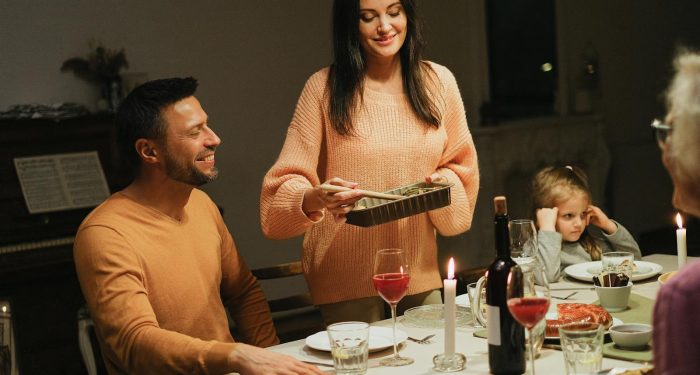
My father pulled into the driveway at 5:30 every evening for twenty-three years. I know this because I could hear the specific rumble of his Ford Ranger from the living room, and I knew that sound meant dinner was fifteen minutes away. My mother would already have something going on the stove. Pork chops. Tuna casserole. Spaghetti with jarred sauce and a sleeve of garlic bread from the freezer. Nothing fancy. The five of us sat down, passed dishes around, and talked about our days. My dad worked at the same plant since before I was born. One job. One income. A mortgage, two cars, and three kids who never once heard him say the words "I need to pick up some extra work this weekend."
Last Saturday, I called my sister around noon. She was between her second and third gig of the day. She drives for a delivery app in the mornings, cleans two houses in the afternoon, and picks up catering prep shifts when she can get them. She has a full-time job during the week. She was buying groceries between gigs, and she laughed when she told me she'd calculated that her hourly rate across all three Saturday jobs averaged out to about fourteen dollars. "Dad would have lost his mind," she said. She's right. He would have.
The Table We Sat Around
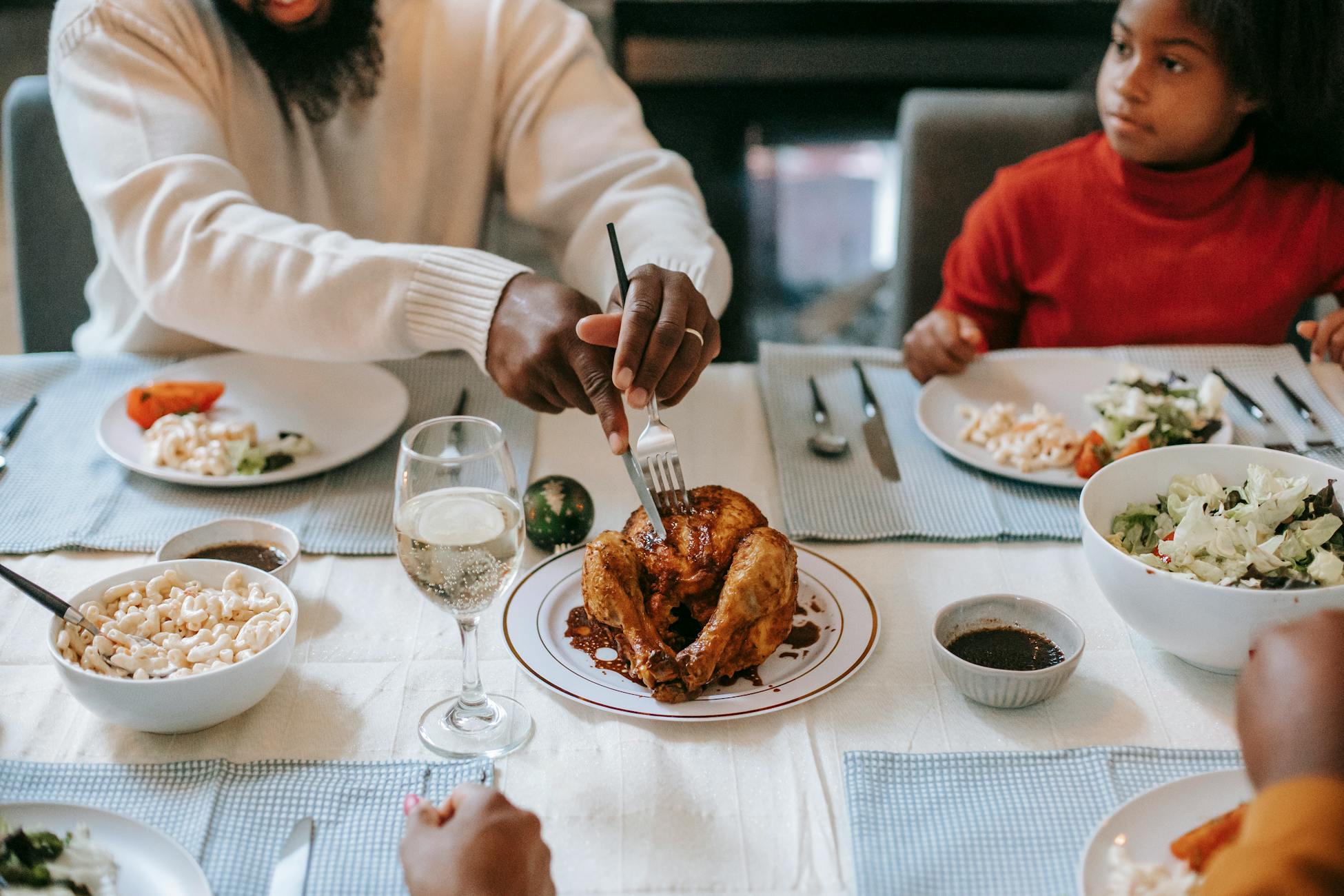
I've been thinking about that kitchen table constantly. Not because I'm sentimental about oak furniture, but because of what it represented: a fixed point in the day when the whole family stopped moving. Studies suggest that regular shared dinners contribute to better nutrition, stronger family bonds, and improved emotional well-being in children. We didn't know any of that in 1996. We just ate together because everyone was home, and everyone was home because one job was enough to keep a household running.
My father made $38,000 a year. I know because I found his old tax returns when we cleaned out his house after he moved. Thirty-eight thousand dollars, and he owned a three-bedroom ranch on a quarter acre, kept two vehicles insured and running, put food on the table every night, and never carried credit card debt. He wasn't wealthy. He wasn't even comfortable, really, by any aspirational standard. But he was present. He was home by 5:30 because the world hadn't yet figured out how to extract every waking hour from a working person's body.
We've written before about how the economy redefined what middle class means, and the numbers still gnaw at me. Adjusted for inflation, my father's $38,000 would be worth considerably more today. My sister makes more than that if you combine every source of income she has. And she can barely keep the lights on and the fridge full. The math doesn't add up because the math changed.
What Side Hustle Culture Actually Costs
The phrase "side hustle" has been repackaged so many times now that people say it with pride, like it's a personality trait. Podcasts celebrate it. Social media influencers build entire brands around the idea that if you're only working one job, you're leaving money on the table. Somewhere along the way, economic desperation got rebranded as ambition.
My sister doesn't have a side hustle because she's entrepreneurial. She has three extra gigs because eggs cost $7 and her rent went up 22% in two years. There's a difference between choosing to pursue a passion project on weekends and choosing between the electric bill and the grocery bill on a Wednesday afternoon. The language of hustle culture papers over that difference with motivational slogans, and I find it exhausting to watch.
Here's what I keep coming back to: my father had time. Time to sit at the table. Time to ask me about school. Time to drive me to baseball practice without checking his phone because phones didn't follow you everywhere, and also because he wasn't coordinating three income streams from the front seat. He had time because the economy, for all its other failures and inequities in the 1990s, still allowed a man with a high school diploma and a factory job to come home at a reasonable hour and be a father.
The Disappearing Dinner
Research suggests that families are eating together less than ever, squeezed by competing schedules, screen time, and the sheer logistical impossibility of getting everyone in the same room when parents are working around the clock. I read those reports and I think about my niece, who is seven, and who eats dinner with her mom maybe three times a week because the other nights my sister is out working.
My niece isn't neglected. She's loved fiercely by a mother who would do anything for her, including sacrifice every Saturday to keep food in the house. But something has been stolen from both of them, and the thief isn't laziness or poor planning. The thief is an economic structure that demands two or three incomes to achieve what one income handled thirty years ago.

I asked my sister once if she resents it. She got quiet for a moment, then said, "I don't have the energy to resent it. Resentment is a luxury." That sentence has lived in my head rent-free ever since. Resentment is a luxury. Think about what has to be true about your life for anger to feel like something you can't afford.
What My Father Didn't Have to Think About
I want to be careful here, because nostalgia is a liar. The 1990s weren't a golden age for everyone. My father's generation had its own struggles: wages were stagnant even then for many people, racial and gender pay gaps were enormous, and whole communities were already being hollowed out by deindustrialization. I'm not arguing that 1996 was paradise. I'm arguing that something specific and measurable has shifted in the relationship between work and daily life, and that shift is visible at the dinner table.
My dad didn't have to think about health insurance as a gig worker, because he wasn't one. He had employer-sponsored coverage that came with the job. He didn't have to calculate whether driving twenty miles to deliver someone's takeout order was worth it after gas costs, because that job didn't exist. He didn't have to build a "personal brand" or maintain a rating on a platform to keep his income flowing. He clocked in, did his work, clocked out, and came home. The simplicity of that arrangement is almost incomprehensible now.
My sister's life, by contrast, is an exercise in constant calculation. Which gig pays best per hour on Saturdays? How many delivery runs can she fit between cleaning jobs? Is the catering prep shift worth it if she has to drive forty minutes each way? She manages her work life like a day trader manages a portfolio, except the returns are groceries and the risk is her own exhaustion.
The Quiet Grief of Watching
What gets me is the watching. I'm old enough to remember what her life was supposed to look like, or at least what we all assumed it would look like. She went to college. She got a degree. She did everything the previous generation told her to do. And here she is, working harder than our father ever worked in raw hours, and falling further behind each month.
There's a particular kind of grief that comes from watching someone you love be ground down by circumstances they didn't create and can't escape through effort alone. My sister is one of the hardest-working people I know. She always has been. In the 80s and 90s when we were kids, she was the one mowing lawns in summer for spending money, organizing her homework binder with color-coded tabs, getting up early because she wanted to. The work ethic was always there. What wasn't there was an economic system designed to punish it.
I think about our father watching her now, from whatever vantage point he has. He raised us to believe that hard work was the answer. That showing up, doing your job well, and being responsible would be enough. He believed it because for him, it was true. He couldn't have predicted that the contract between effort and security would be rewritten so thoroughly within a single generation.
What the Table Meant
Experts on family meals and strong families talk about the dinner table as a place where children learn to communicate, where families build rituals, where the day gets processed and released. All of that is true. But the table also represents something economic: the luxury of collective stillness. The ability for an entire household to stop producing, stop hustling, stop optimizing, and simply be together for forty-five minutes over food that someone had time to cook.
My sister doesn't have that luxury most nights. Not because she doesn't value it, but because the 80s are making a comeback in fashion but not in economic security. The aesthetics of that era are trendy; the financial stability is not.
I called her again last night. She was home, finally, heating up soup for her and my niece. They were going to eat together on the couch and watch a movie. She sounded tired but okay. "We're good," she said, the way people say it when they need you to stop asking.
I keep thinking about my dad's Ford Ranger in the driveway at 5:30. The engine ticking as it cooled down. The screen door slamming behind him. The sound of his boots on the kitchen floor. My mother saying, "Wash your hands, dinner's ready." Five people at a table with enough food and enough time, and no one at that table understanding that what they had was already starting to disappear. Nobody called it a golden age. We just called it dinner.
What’s Your Plant-Powered Archetype?
Ever wonder what your everyday habits say about your deeper purpose—and how they ripple out to impact the planet?
This 90-second quiz reveals the plant-powered role you’re here to play, and the tiny shift that makes it even more powerful.
12 fun questions. Instant results. Surprisingly accurate.