If someone had asked me ten years ago whether I was someone who questioned her choices, I would have said yes without hesitation. I considered myself...

Add VegOut to your Google News feed. 
I’ve known Marcus for about three years now—we met at a kombucha fermentation workshop that I was ostensibly there to cover for a food blog and he was there purely by accident, having walked in thinking it was a craft beer tasting. We became friends in that particular way you do when someone makes you laugh at the wrong moment in a pretentious room, and over the last few years, I’ve watched him move through a pretty significant transformation with food.
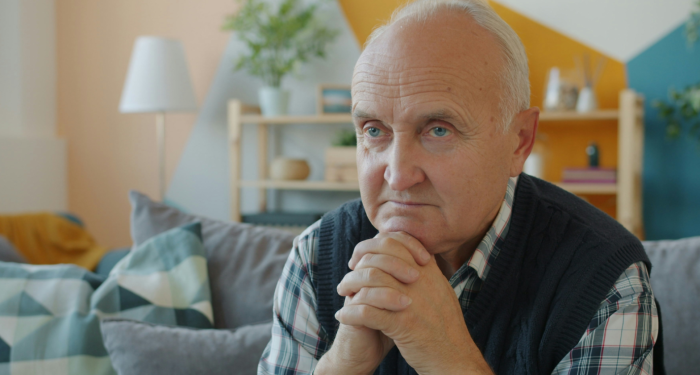
The thing is, Marcus didn’t become vegan because he read Peter Singer or because he saw one of those viral documentaries. He didn’t go to a protest or join a community. None of the narrative arcs I usually associate with this kind of change actually happened to him. Instead, he just started thinking.
It began, he told me once over coffee, with his dad. Marcus is in his mid-40s, comes from the Midwest, meat-and-potatoes background—the kind of family where vegetarianism was treated like a personal insult. His father was a dentist who hunted, believed firmly in the natural order, that sort of thing. Growing up, Marcus inherited not just food preferences but an entire philosophy about what eating meat meant: strength, tradition, naturalness, a kind of patriarchal rightness.
Then his father died. Not dramatically. Just a heart attack at 71, the kind of thing that happens. And in going through his father’s medical records (as you do when you’re settling an estate), Marcus found something unexpected: notes from his dad’s doctor about diet, about cholesterol, about all the conversations they’d had that the family never knew about.
“My dad,” Marcus said, “was thinking about changing his diet for years. He knew. But he never did because it would have meant admitting that everything he believed about how he should eat—that his father ate this way, that real men ate this way—maybe wasn’t actually about what was best. It was just about what he’d inherited.”
That opened something in Marcus. Not immediately, but over months. He started asking himself: what am I eating because I actually want to eat it, versus what am I eating because it’s what I was taught to eat? Those are different questions, but most people—I think Marcus realized—never actually distinguish between them.
He didn’t go vegan overnight. First he just started cooking differently at home, noticing how he felt. He read some nutrition stuff, not from an ethical angle but from a basic curiosity angle: what does my body actually need? Then he started noticing the contradiction. He cared about his health—he went to the gym, he slept well, he was thoughtful about almost everything in his life except food, which he’d just inherited wholesale from his childhood.
“I wasn’t convinced by ideology,” Marcus emphasized to me multiple times, and I think this is important because it resists the narrative that veganism is primarily an intellectual commitment. “I was just thinking about my choices instead of just doing what I’d always done.”
The shift was gradual. He dropped chicken first, mostly because he noticed he didn’t crave it. Then beef. Dairy took longer—he loves cheese, loves the taste of it, and he didn’t try to override that love with guilt. He just got curious about whether there were alternatives that hit differently, and he found a few.
Research on how people transition to plant-based diets shows that gradual shifts rooted in personal exploration rather than external pressure have higher adherence rates and greater life satisfaction—which tracks exactly with what I’ve observed in Marcus. He’s not preaching. He’s not performing. He’s just living according to choices he actually made instead of inherited.
What I find most interesting is how this connects to his relationship with his father’s legacy. By thinking about food instead of just eating it, Marcus found a way to honor his father without being trapped by him. He can acknowledge the tradition, the culture, the love that came with those meals, while also saying: I get to choose.
He still eats with his extended family—Midwestern Thanksgiving is still Midwestern Thanksgiving—but now he brings dishes. He participates differently. And interestingly, nobody gives him much grief about it, partly because he’s never made it about being right and they’re wrong. It’s just his choice, considered and quiet.
For more on how mindful eating practices connect to overall wellbeing, we’ve written about this in our lifestyle section. And this research on the psychology of dietary change offers interesting insights into how people successfully shift eating patterns when they do it through exploration rather than resistance.
What I’ve learned from watching Marcus is that the most durable changes come when someone stops inheriting their choices and starts making them. It’s not about convincing arguments or perfect ideology. It’s about the simple, revolutionary act of asking yourself: why do I eat this? And then being honest about the answer.
I think there are a lot of people like Marcus—people who’ve never been convinced by ideology about anything, who are skeptical of movements and manifestos. But who, when they actually sit down and think about their food instead of just eating it, find that their values and their plate might not match. And that once you notice that misalignment, it’s hard to unsee.
What’s Your Plant-Powered Archetype?
Ever wonder what your everyday habits say about your deeper purpose—and how they ripple out to impact the planet?
This 90-second quiz reveals the plant-powered role you’re here to play, and the tiny shift that makes it even more powerful.
12 fun questions. Instant results. Surprisingly accurate.