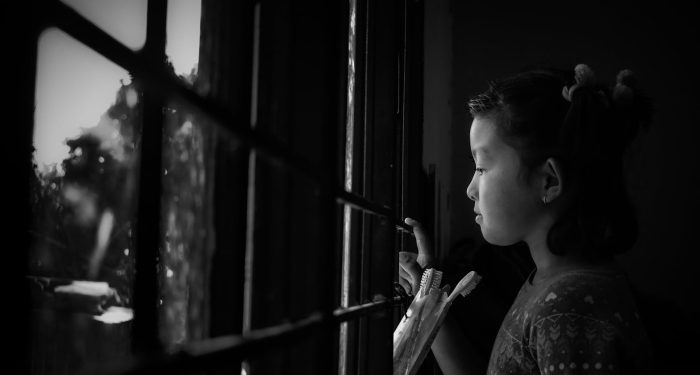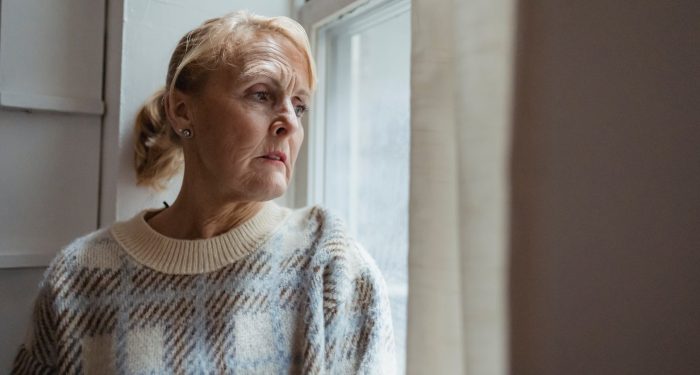
The tiredness was never new — it had been there for decades, woven into the ligaments of every obligation, every phone call answered on the first ring, every meal prepared when no one thought to ask if you'd eaten.

Add VegOut to your Google News feed. 
Add VegOut to your Google News feed.
The morning after my daughter told me I could stop hosting Thanksgiving, I slept for fourteen hours. I don't mean I stayed in bed reading or dozed off watching television. I mean I fell into the kind of sleep that felt geological, like my body had been waiting for permission to shut down the way a machine powers off when the last person leaves the building. I woke up confused, disoriented, and then I cried for reasons I still can't fully articulate. I was seventy years old, and I had been tired since I was thirty-seven.
That was the year my husband left and my son was five and my daughter was two, and I became the person who held everything together because there was no one else to do it. Thirty-two years of teaching high school English. Thirty-three years of being the first person everyone called when something broke, someone got sick, a bill couldn't be paid, a heart got shattered. I was the reliable one. The capable one. The one who didn't need to be asked twice.
And the tiredness, that bone-deep tiredness that research now tells us accumulates like a kind of physiological debt? It was always there. The permission to finally feel it was what was new.
The Architecture of Holding
Behavioral scientists have been studying something they call "caregiver collapse" for years, and the findings are devastating in their clarity. A 2019 study published in The Gerontologist found that long-term family caregivers often experience a dramatic decline in physical and psychological health not during their caregiving years, but immediately after those responsibilities end. The body, it seems, keeps a running tab. It waits.
I think about this when I remember the years I ran on four hours of sleep, grading papers at the kitchen table after the kids were in bed, then getting up at five to make lunches and drive to school and teach five classes and come home and do it again. My neighbor Patricia, who had coffee with me every Thursday for fifteen years, once told me I looked like I was running on fumes. I laughed. I said I was fine. I said it so many times it became a reflex, a muscle memory of deflection.
The truth is, people who spend decades being the strong one develop a peculiar relationship with exhaustion. They stop recognizing it as exhaustion. It becomes the baseline, the background hum of a life organized around everyone else's needs. You don't feel tired the way other people feel tired, with a clear cause and a clear remedy. You feel tired the way you feel gravity. It's just there. It's the medium you move through.
We've written before about how people who do the work without being asked often learned early that love was conditional on usefulness. That piece haunted me after I wrote it because I saw myself in every line. My mother, who is eighty-nine now and still insists on making her own bed, taught me that value came from what you could carry for others. She didn't teach me this with words. She taught me by never sitting down.
What Collapse Actually Looks Like
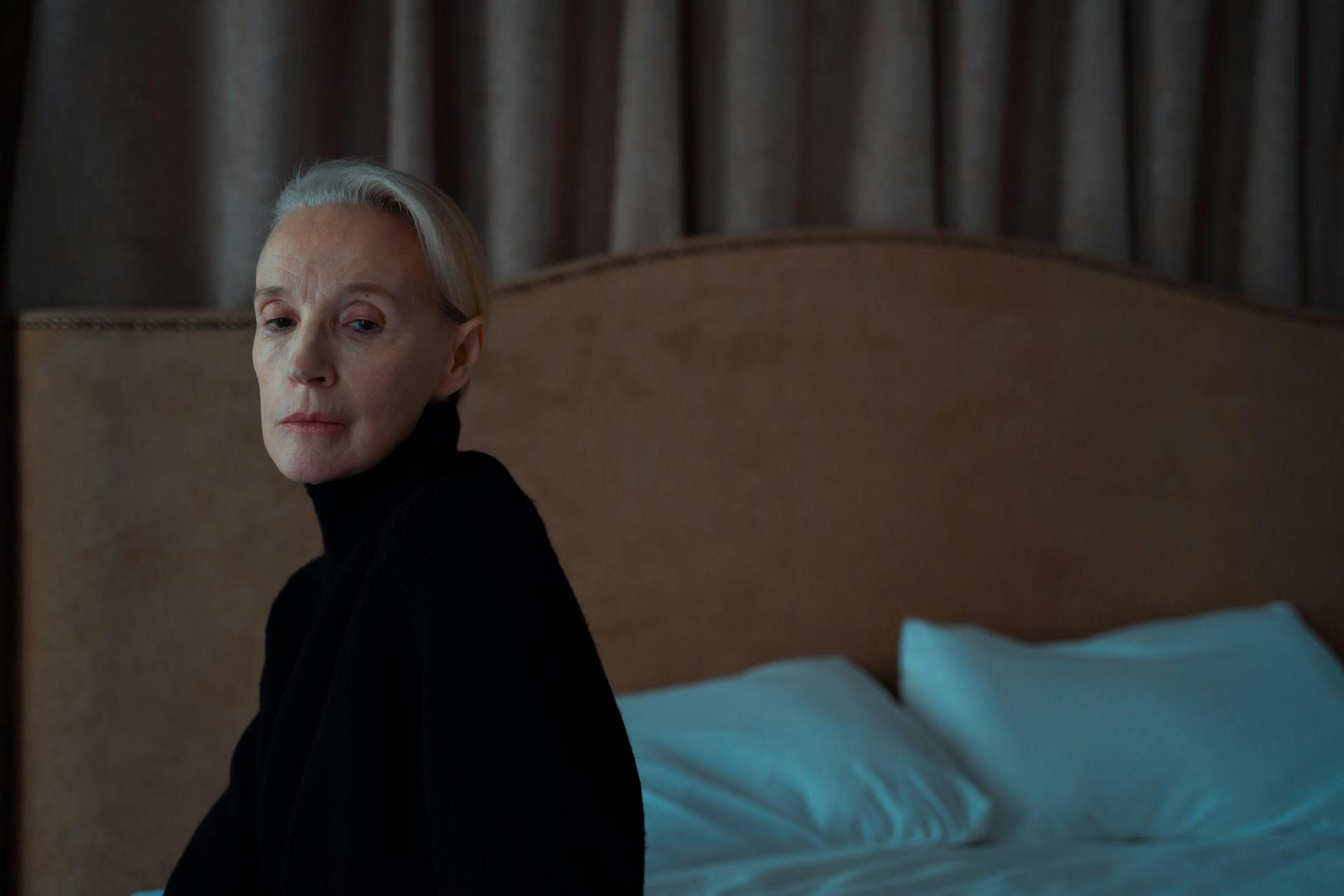
When people hear the word "collapse," they imagine something dramatic. A hospital visit. A breakdown in a grocery store parking lot. And sometimes it is those things. But more often, collapse looks quiet. It looks like canceling plans you used to keep. It looks like standing in front of the refrigerator and not being able to decide what to eat. It looks like sleeping twelve hours and waking up still heavy, still underwater.
After I retired from teaching, I expected to feel liberated. I'd earned it, thirty-two years in a classroom, and I had plans. I was going to read all the books I'd assigned but never had time to actually savor. I was going to walk every morning. I was going to learn to make the kind of elaborate plant-based meals I'd bookmarked for years.
Instead, I sat in my living room for three weeks and did almost nothing. My daughter called and asked if I was depressed. My son texted to suggest I "find a hobby." What neither of them understood, what I barely understood myself, was that my body was finally doing what it had needed to do for decades. It was stopping. And stopping, after a lifetime of holding, feels terrifying. It feels like dying.
Research by psychologist Emily Nagoski, detailed in her book Burnout: The Secret to Unlocking the Stress Cycle, explains that many people (women especially) never complete what she calls the "stress cycle." The stressor may end, but the physiological stress response stays trapped in the body. It accumulates. Year after year, decade after decade, it builds like sediment. And when the external demands finally lift, all that unprocessed stress surfaces at once.
That's what collapse is. The body's backlog coming due.
The Myth of the Strong One
Every family has one. The person who organizes the funeral and also makes sure there's food afterward. The person who drives three hours to help someone move and never mentions their own back pain. The person who answers the phone at two in the morning and sounds awake, sounds ready, sounds like they've been waiting.
I was that person for so long that I forgot it was a role I'd been assigned rather than something intrinsic to my nature. And here's what fascinates me: the family system needs the strong one. It relies on that person the way a building relies on its load-bearing wall. Nobody thinks about the wall. Nobody thanks the wall. They just keep hanging things on it.
A longitudinal study from the University of Michigan's Institute for Social Research found that individuals who reported high levels of "family obligation stress" showed elevated cortisol patterns even during periods of rest, indicating that their nervous systems had adapted to a state of chronic readiness. They were physiologically unable to relax because their bodies had learned that relaxation was dangerous. Relaxation meant someone's needs might go unmet.
I recognized that pattern in myself the first time I tried to take a vacation after my divorce. I brought work. I called home three times a day. I lay on a beach in Florida and mentally planned the week's meals for my children, who were safe with my mother. My body was on a lounge chair. My nervous system was standing at the stove.
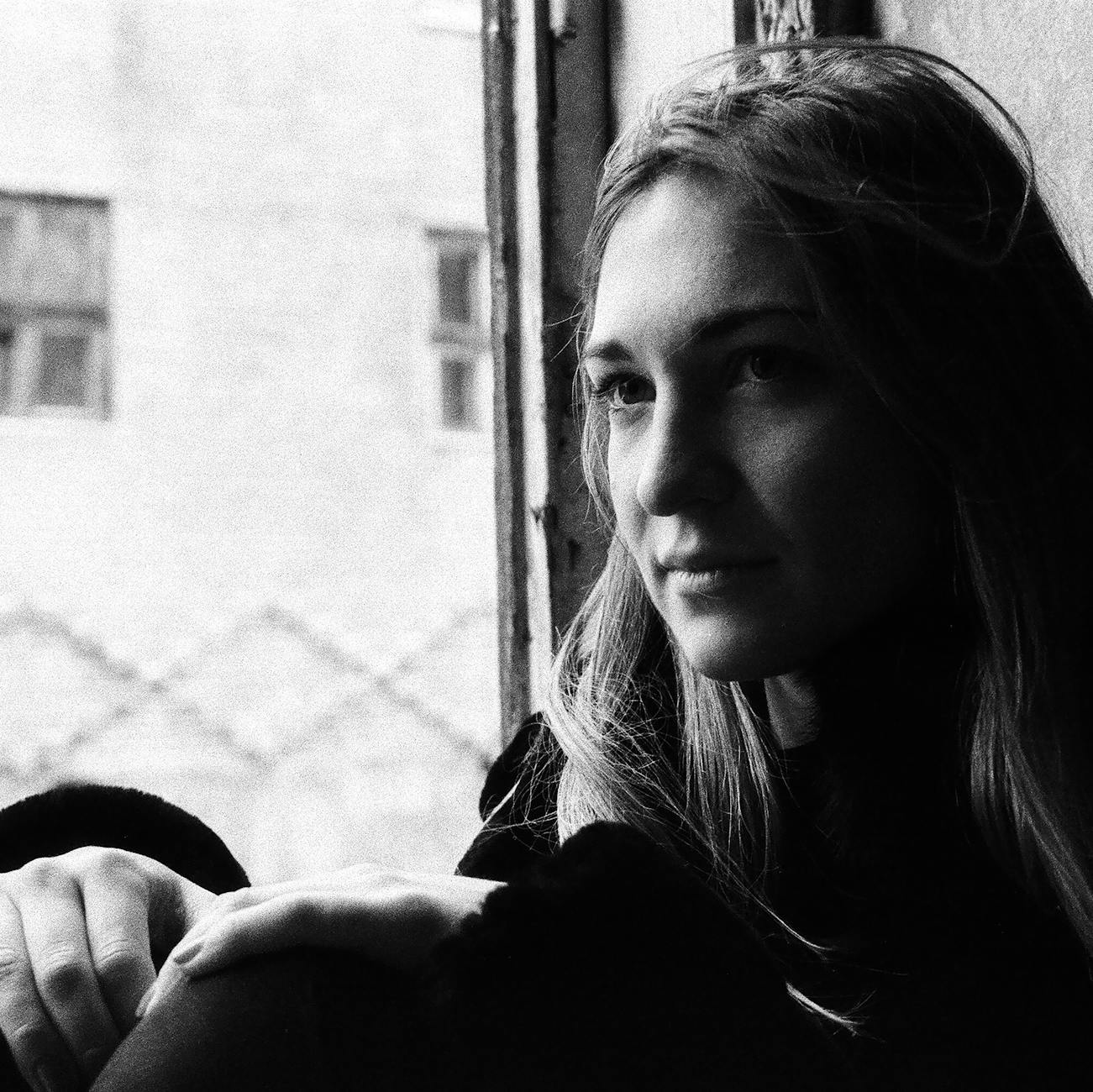
Permission as Revolution
The word "permission" sounds small. It sounds like something you give a child to go on a field trip. But for the person who has spent thirty, forty, fifty years as the load-bearing wall of their family, permission to stop is seismic. It rearranges everything.
When my daughter said, "Mom, you don't have to do Thanksgiving anymore, we'll handle it," she probably thought she was being kind in a simple, practical way. She didn't know she was pulling a pin. She didn't know that those words would unlock a fatigue so enormous I couldn't stand in front of it without being knocked flat.
I think about the people who describe themselves as tired all the time despite sleeping well, and how that fatigue is often something deeper than physical depletion. It's the weight of a life that diverged from the one you imagined. For the strong ones, there's an additional layer: the mourning of a self you never got to be because you were too busy being useful.
I wanted to be a writer when I was twenty-two. I wanted to travel. I wanted to sit in cafés in cities I'd never been to and think long, uninterrupted thoughts. Instead, I became the person who could be counted on, and I did it so well that no one ever thought to count on someone else.
The Body Remembers What the Mind Refuses
After that fourteen-hour sleep, I started paying attention to my body in ways I never had before. I noticed that my shoulders were perpetually raised, as if bracing for impact. I noticed that I held my breath when the phone rang. I noticed that I couldn't eat a meal without calculating whether there was enough for everyone else first.
These were not habits. These were fossils. The preserved remains of decades of hypervigilance, of being the person who made sure nothing fell apart.
I started with small acts of permission. I ate breakfast slowly, the same simple bowl of oatmeal with fruit every morning, and I found something steadying in that repetition, something that quieted the part of my brain that was always planning, always anticipating the next crisis. I let the phone go to voicemail. I said "no" to things without offering an explanation, which felt, at seventy, like learning a new language.
The collapse wasn't a failure. I understand that now. It was my body's way of saying: I've been carrying this for you. I'm putting it down now. Please let me.
What I'd Tell the Strong Ones
If you're reading this and recognizing yourself, if you're the one who holds everything and tells everyone you're fine, I want you to hear something: the tiredness you're ignoring is real. It's accumulating. And the longer you wait for permission to feel it, the harder the landing will be when permission finally comes.
You don't have to wait for someone to tell you to stop. You don't have to wait for retirement or illness or a daughter's gentle suggestion over the phone. You can give yourself permission now, today, in whatever small way you can manage. Skip the obligation. Let the dishes sit. Sit in silence for ten minutes and notice what surfaces when you stop performing competence for an audience that stopped watching years ago.
I'm seventy, and I spent most of my life believing that rest was something you earned through sufficient suffering. That exhaustion was proof of worth. That the strong one was the most important person in the room.
The strong one is the most depleted person in the room. And the tiredness was always there, pressed into every casserole dish carried to a neighbor's doorstep, folded into every load of laundry done at midnight, braided into every reassurance spoken through a phone receiver when what I really wanted to say was: I'm drowning too.
Permission is what's new. And receiving it, truly letting it land in your bones, might be the hardest thing the strong one ever does. Harder than any of the carrying. Because it means admitting that you needed help all along, and that the people who loved you should have noticed sooner. And that you should have let them.
I wish I'd understood this thirty years ago. But I was too busy being fine.
If You Were a Healing Herb, Which Would You Be?
Each herb holds a unique kind of magic — soothing, awakening, grounding, or clarifying.
This 9-question quiz reveals the healing plant that mirrors your energy right now and what it says about your natural rhythm.
✨ Instant results. Deeply insightful.

Jordan Cooper
Jordan Cooper is a pop-culture writer and vegan-snack reviewer with roots in music blogging. Known for approachable, insightful prose, Jordan connects modern trends—from K-pop choreography to kombucha fermentation—with thoughtful food commentary. In his downtime, he enjoys photography, experimenting with fermentation recipes, and discovering new indie music playlists.
More Articles by Jordan