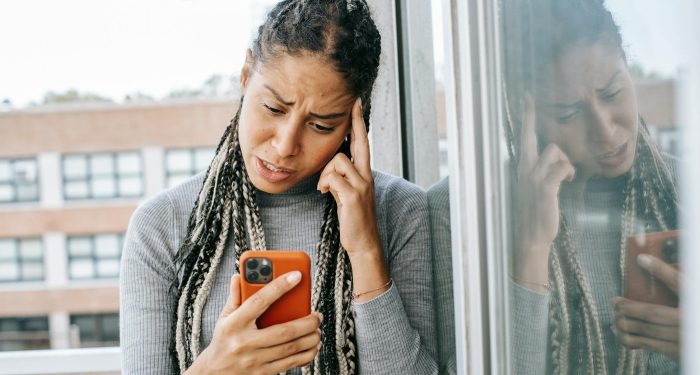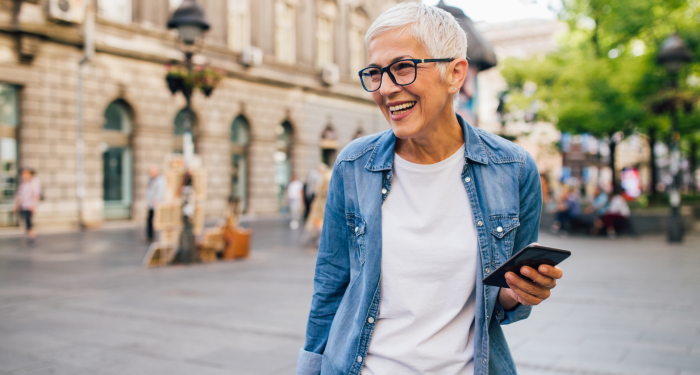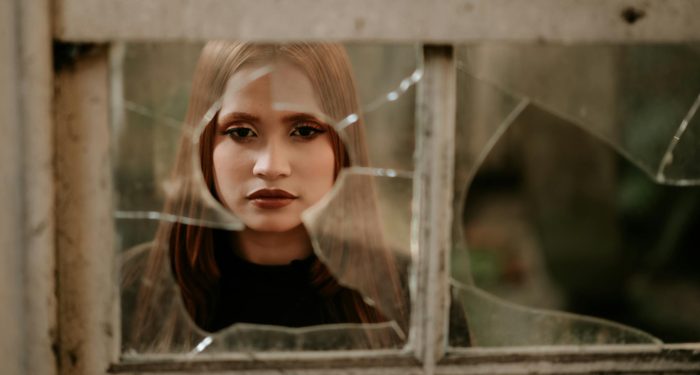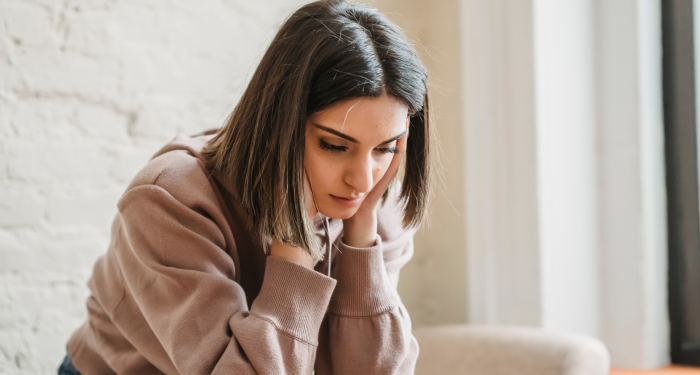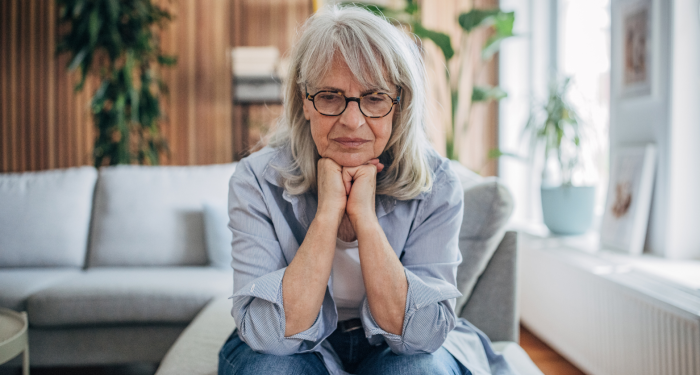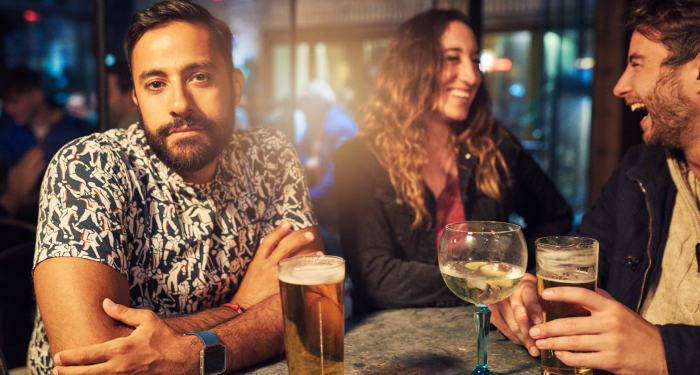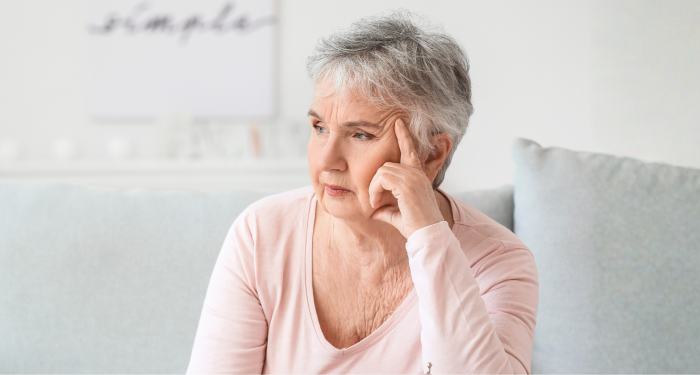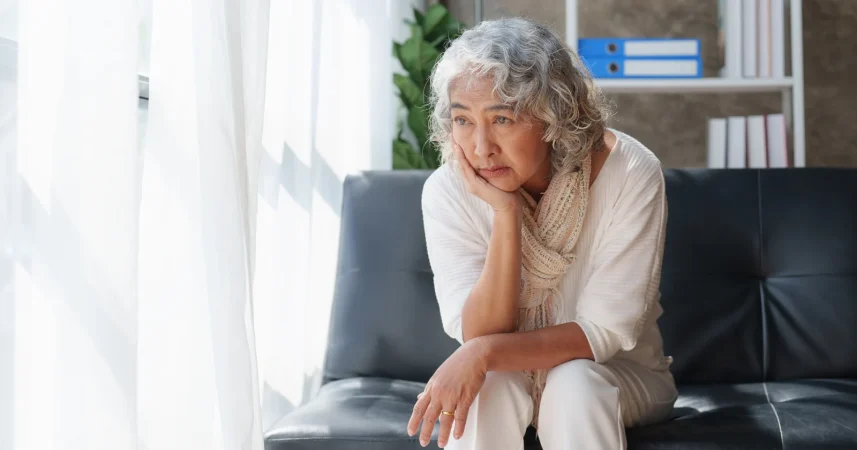
It’s a quiet kind of loneliness - the kind that comes from always being there for others, and slowly realizing the gesture isn’t returned. After a lifetime of showing up, what hurts most is not being forgotten - but no longer being thought of at all.

Add VegOut to your Google News feed. 
You know the person I'm talking about. You might be related to them. You might live down the street from them. You might call them once a month and tell yourself that's enough.
They're the one who remembers every birthday. Who still sends cards. Who asks how your kids are doing and actually listens to the answer. Who shows up at the hospital when someone is sick, brings food when someone is grieving, sits quietly with whoever needs company on a hard afternoon.
They're 70. Maybe 75. Maybe older. And they are profoundly, invisibly lonely.
Not because they don't have people in their lives. But because the current only flows in one direction. They give. They show up. They check in. And almost nobody thinks to do the same for them.
A loneliness epidemic hiding in plain sight
The numbers on this are staggering and they should make all of us uncomfortable.
A major review published in the American Journal of Geriatric Psychiatry found that approximately 24% of community-dwelling Americans aged 65 and older are socially isolated, while 43% of those aged 60 and older report feeling lonely. Among those who reported loneliness, 13% said they experienced it often.
A global meta-analysis of 35 studies involving over 90,000 older adults put it even more starkly: the overall prevalence of social isolation among the elderly was 33%. One in three. And the rate was highest among those over 80 and those living alone.
These aren't just numbers. They're your mother sitting in a quiet kitchen on a Tuesday evening. Your father reading in a room that used to be full. Your neighbour whose car you haven't seen leave the driveway in weeks.
The health cost of being forgotten
Loneliness at this age isn't just sad. It's dangerous.
A landmark meta-analytic review by psychologist Julianne Holt-Lunstad and her colleagues at Brigham Young University found that social isolation increased the likelihood of premature death by 29%, loneliness by 26%, and living alone by 32%. These figures held even after controlling for lifestyle factors like smoking, physical activity, and depression.
The National Institute on Aging has recognised social isolation and loneliness as major risk factors for poor ageing outcomes, noting that about 13.8 million older Americans live alone and that loneliness is associated with higher rates of cognitive decline, depression, heart disease, and weakened immune function.
And Holt-Lunstad's earlier meta-analysis, published in PLOS Medicine and based on 148 studies with over 308,000 participants, concluded that the influence of social relationships on mortality risk was comparable to well-established risk factors like smoking and obesity.
This is the part that should stop us in our tracks. The person who shows up for everyone else and gets forgotten in return isn't just feeling sad. Their body is keeping score.
The givers who never ask
Here's what makes this particular version of loneliness so cruel: the people most affected by it are often the least likely to say anything.
They were raised in a generation that doesn't complain. They don't want to be a burden. They've spent their entire adult lives being the one who holds things together - for their children, for their community, for whoever needed them at the time.
Research on family caregiving has shown that caregiving for older adults is best understood as a chronic stress exposure - persistent, often unpredictable, and extending over months or years. The psychological toll includes emotional distress, social isolation, and physical health decline. And it doesn't stop when the caregiving chapter ends. For many older adults who spent decades in this role, the pattern of giving becomes so ingrained that they simply continue it into old age - only now, the people they cared for have moved on or moved away.
A national study of community-dwelling adults over 60 found that 32% of older caregivers were themselves simultaneously in need of care. They were looking after others while managing their own declining health, often without anyone checking on them in return.
That's not resilience. That's abandonment wearing the mask of independence.
The silence nobody notices
The loneliest part isn't the empty house or the quiet phone. It's the knowledge that you've spent your whole life showing up for people who've stopped thinking about whether anyone is showing up for you.
It's the birthday that passes with a text instead of a visit. The Sunday that stretches endlessly because the call you were hoping for doesn't come. The slow realisation that you've become background noise in the lives of people you raised, supported, loved through their worst moments.
A six-year national poll from the University of Michigan found that in 2024, 33% of adults aged 50 to 80 reported feeling lonely some of the time or often. Among those with fair or poor physical health, the rates were dramatically higher. The loneliness wasn't a pandemic blip - it was a baseline.
And the World Health Organization has now formally recognised social isolation and loneliness as a priority public health concern, noting that around one in six people worldwide experiences loneliness, with older adults particularly vulnerable due to family dispersal, decreased mobility, loss of loved ones, and reduced income.
What showing up actually looks like
This isn't an article about policy or systemic change, although both are desperately needed. This is about something simpler and harder: paying attention.
The person in your life who always shows up for everyone else? Show up for them.
Not with a quick text. Not with an obligation visit at Christmas. With the kind of unhurried, purposeless presence that says: I'm not here because I need something. I'm here because you matter to me. The same way they've been showing up for you, quietly, for decades.
Call them on a Wednesday for no reason. Sit with them without looking at your phone. Ask them how they're actually doing and wait long enough for the real answer.
Because the research is unambiguous: social connection isn't a nice-to-have for older adults. It's a health intervention. It's a survival factor. And for the people who've spent a lifetime being the strong one, the reliable one, the one who never asks for anything - a single phone call that says "I was thinking about you" can land harder than you'll ever know.
They won't tell you how much it means. That's not how they're built.
But it means everything.