Privilege isn’t always flashy. It’s often quiet. It hides in the things you never had to question, the burdens you never had to carry, and the freedoms you never realized you had.
Privilege is a tricky word. Some people hear it and immediately think of wealth or social status. Others assume it only applies to those born into luxury. But the truth is, privilege comes in many shapes and sizes.
Often, it’s not about yachts or private schools—it’s about the things you didn’t have to think about growing up. The struggles you never had to face. The daily anxieties that simply weren’t part of your world.
If you’ve never had to worry about the following seven things, chances are you grew up far more privileged than you might realize. That doesn’t mean your life has been perfect, but it does mean you started with advantages that many others did not.
1. Wondering where your next meal was coming from
For many children, hunger isn’t an occasional discomfort—it’s a daily reality. Growing up without knowing if there would be enough food on the table is an experience that leaves lasting marks: stress, insecurity, and sometimes even stunted development.
If you never had to worry about whether you’d eat dinner—or if the fridge had more than instant noodles and leftovers—you were already ahead of millions of kids around the world. Food security is one of the most basic forms of privilege, and if you had it, you had stability many never knew.
Why it matters: Not worrying about meals frees up mental energy. Children who are fed consistently can focus on school, friendships, and exploration—things hungry children often can’t afford to think about.
2. Living in a safe neighborhood
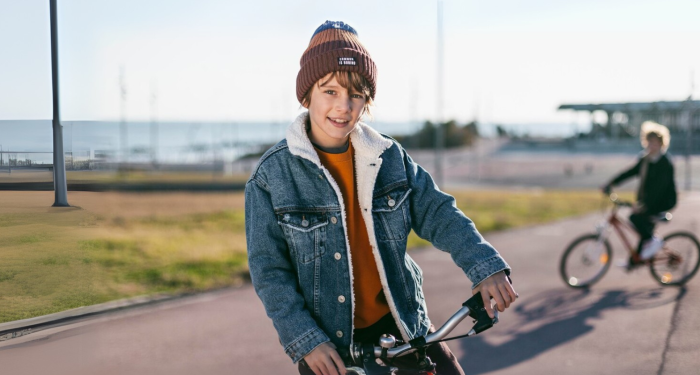
Think back to your childhood streets. Could you ride your bike without fear? Walk home from school without worrying about violence? Sleep without sirens outside your window?
Safety is one of those invisible privileges we rarely notice until it’s gone. If you never had to think twice about whether your environment was secure, you were enjoying a form of protection many don’t.
For children raised in high-crime areas, every day brings subtle calculations: Can I walk this way? Is it safe to stay out after dark? If you didn’t have to carry that mental burden, it shaped your childhood in ways you might not realize.
Why it matters: Growing up safe doesn’t just protect your body. It shapes your sense of trust, confidence, and freedom. You learn to expect that the world is, for the most part, secure—a privilege not everyone shares.
3. Access to quality education
Many people take school for granted, grumbling about homework or strict teachers. But the quality of education you receive is one of the strongest indicators of future opportunity.
If you grew up in a place with well-trained teachers, access to books, technology, and extracurricular activities, you were already standing on a higher rung of the ladder. For others, schools are underfunded, overcrowded, or poorly staffed. Some children have to drop out early to help support their families.
Why it matters: Education isn’t just about academics. It opens doors, builds networks, and teaches you how to navigate the world. If you didn’t have to worry about whether your school would set you up for success, that’s privilege in action.
4. Having consistent healthcare
Think about the last time you were sick as a child. Did you see a doctor without hesitation? Did your parents take you for check-ups, vaccinations, or dental visits?
If so, you experienced a privilege that millions of children don’t: consistent healthcare. For many families, medical costs are overwhelming, and illnesses go untreated until they become severe. Some grow up without dental care at all, or with chronic conditions left unmanaged.
Why it matters: Healthcare during childhood affects your entire life. Preventive care means fewer long-term issues. It also provides peace of mind—knowing that if something went wrong, help was available. If you never had to fear medical bills or untreated sickness, you were already living with significant privilege.
5. Being accepted for who you are
Not all privilege is material. For many, the hardest struggles come from being judged, excluded, or even punished for who they are—because of race, religion, gender, or sexual orientation.
If you grew up in an environment where your identity was accepted without question—if you didn’t have to hide parts of yourself to stay safe—you carried a privilege you may not have recognized.
For a lot of kids, the very act of being themselves was risky. They learned to shrink, hide, or change to avoid bullying or discrimination. If you never had to fight for basic acceptance, you were free to grow without carrying that weight.
Why it matters: Acceptance shapes confidence and self-worth. When kids are allowed to be themselves without fear, they’re able to thrive. When they’re not, it leaves scars that last long into adulthood.
6. Financial stability at home
It doesn’t take being “rich” to feel privileged. Simply knowing that bills would be paid, the lights would stay on, and rent or mortgage wouldn’t be missed is an enormous advantage.
If you grew up without your parents constantly worrying about money—or without hearing conversations about eviction, debt collectors, or bankruptcy—you experienced stability that many children can only dream of.
Even middle-class families can experience financial instability: layoffs, unexpected medical bills, or economic downturns. If your childhood was largely shielded from those stresses, that’s privilege.
Why it matters: Financial stability creates emotional stability. Children pick up on their parents’ stress. A secure financial home lets kids focus on childhood instead of survival.
7. The freedom to dream about the future
Perhaps the most overlooked privilege of all: the ability to think about what you want to be when you grow up, rather than whether you’ll even have the chance.
If you could daydream about careers, college, travel, or passions, you were experiencing a luxury not everyone had. For kids facing poverty, discrimination, or instability, the “future” often feels too uncertain to imagine. Survival comes first; dreaming is optional.
Why it matters: Imagination fuels growth. Children who are free to dream often grow into adults who pursue passions, take risks, and explore opportunities. If you never had to doubt whether a future was possible, you were more privileged than you knew.
Why acknowledging privilege matters
It’s easy to think, “But my life hasn’t been perfect—how could I be privileged?” And you’re right: no life is without struggle. But acknowledging privilege doesn’t mean denying your hardships. It means recognizing the ways in which your path may have been smoother than others’.
The things you didn’t have to worry about—the meals, the safety, the healthcare, the acceptance—were invisible advantages that shaped your ability to thrive. And by recognizing them, you open the door to gratitude and empathy.
A deeper reflection
-
Privilege isn’t shameful—it’s perspective. If you had these advantages, it doesn’t mean you should feel guilty. It means you can better appreciate how others may have had to fight harder for the same outcomes.
-
Gratitude fuels humility. Recognizing what you didn’t have to worry about reminds you that not everything was earned through hard work alone. Some of it was circumstance—and that awareness keeps you grounded.
-
Awareness builds empathy. When you see someone struggling, you’ll be less likely to judge and more likely to understand that their obstacles may have been greater than yours.
Final thoughts
Privilege isn’t always flashy. It’s often quiet. It hides in the things you never had to question, the burdens you never had to carry, and the freedoms you never realized you had.
If you grew up without worrying about food, safety, education, healthcare, acceptance, money, or the very possibility of a future—you were more privileged than millions of others. That doesn’t make you bad or unworthy. It makes you lucky.
The real question is: what will you do with that privilege now that you see it? Will you use it only for yourself—or will you use it to create opportunities for others?
Because the most intelligent, compassionate people aren’t those who had privilege. They’re the ones who recognized it—and then chose to share its benefits with the world.