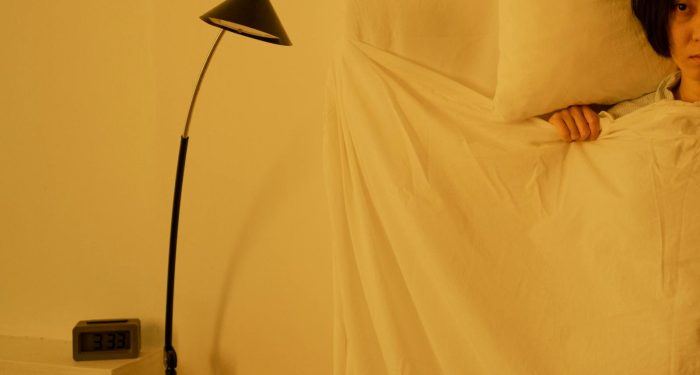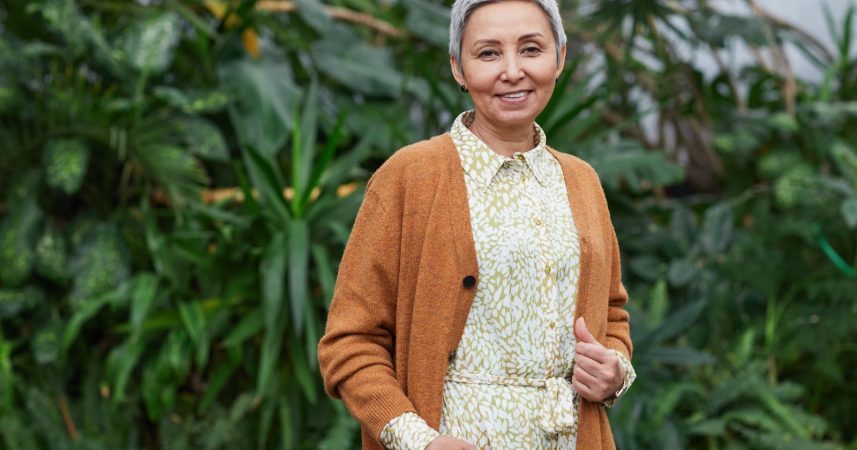
The most content elderly people I know aren't the social butterflies with packed calendars — they're the ones who spent decades becoming fascinating companions to themselves, turning solitude from a dreaded sentence into their most treasured luxury.
I've been thinking lately about how we measure success in aging. There's this persistent myth that the happiest older adults are the ones with dance cards full of luncheons, book clubs, and grandchildren's soccer games.
But after decades of watching people navigate their later years — including my own journey through widowhood and retirement — I've noticed something different. The ones who seem most at peace aren't necessarily the social butterflies. They're the ones who learned, somewhere along the way, how to be genuinely good company for themselves.
The art of befriending yourself takes practice
Have you ever noticed how uncomfortable most people are with silence? Put them in a quiet room without their phone, and watch the fidgeting begin. Yet Michelle Quirk, a psychologist who studies aging, points out that aging requires us to contemplate and reflect and ultimately act on our needs and desires. This kind of deep reflection doesn't happen at crowded parties or during back-to-back social engagements. It happens when we're alone with our thoughts, learning to listen to what we actually want rather than what we think we should want.
I remember the first time I truly sat with myself — really sat, without distraction or excuse. I was 28, recently divorced, and my children were at their father's for the weekend. The house felt accusingly empty. Every creak seemed to ask what was wrong with me that I couldn't keep a marriage together. But somewhere in that uncomfortable silence, I started hearing something else: my own voice, tentative at first, then stronger. It had opinions about books I'd been meaning to read, places I wanted to visit, conversations I wished I could have. That voice had been there all along, waiting patiently for me to stop drowning it out with other people's expectations.
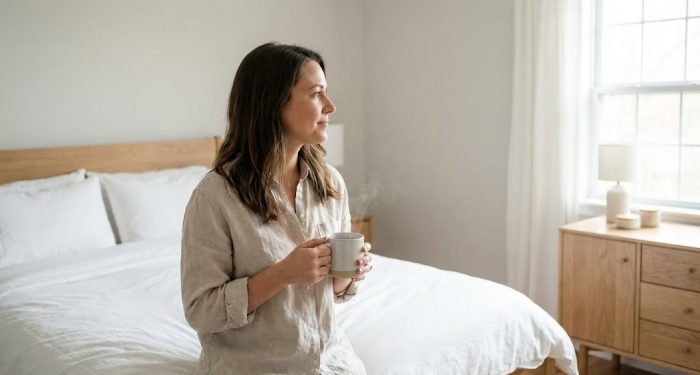
The journey from that desperate young mother to someone who now cherishes her morning solitude wasn't quick. It took years of practice, like learning a musical instrument. You don't just pick up a violin and play Mozart. You screech and squawk and gradually, painfully, learn to make something beautiful. The same is true for solitude. At first, it feels like punishment. Then tolerance. Eventually, if you stick with it, it becomes a gift you give yourself.
Why society gets aging backwards
We live in a culture that treats aging like a disease and solitude like its most devastating symptom. Mark Travers, a psychologist who studies life transitions, notes that aging has long been presented as a downward trajectory on the graph of life, a process of degeneration and slow decay. This narrative makes us panic about being alone as we age, rushing to fill every moment with activity and connection, as if busyness could somehow stop time.
But what if we're looking at it all wrong? During my 32 years teaching high school English, I watched teenagers desperately trying to never be alone, always needing the validation of their peer group. By contrast, the teachers I most admired were the ones who ate lunch alone sometimes, not because they were antisocial, but because they enjoyed their own company. They had rich inner lives that didn't require constant external input.
The phrase "aging gracefully" itself reveals our discomfort with getting older. Jessica DeFino, a beauty culture critic, calls it "a particularly nefarious euphemism, because it implies that anti-ageing should appear to be effortless." We're so afraid of aging that we can't even name it directly. We dress it up in euphemisms and fill our calendars to avoid confronting what it really means: that we're changing, that our bodies are changing, and that eventually, whether through circumstance or choice, we'll spend more time with ourselves.
Building a self worth keeping company with
"Beautiful young people are accidents of nature, but beautiful old people are works of art," Eleanor Roosevelt once said. That artwork doesn't happen automatically. It's crafted through years of paying attention to who you are when no one's watching, what genuinely interests you when you're not performing for others, what brings you joy when there's no one to share it with.
I started watercolor painting at 67, not because anyone suggested it or because I needed a hobby to fill time. I started because I'd always wondered what it would feel like to capture light on paper. My first attempts were disasters — muddy colors and warped paper. But sitting alone at my kitchen table, mixing colors and watching them bloom on wet paper, I felt a satisfaction that had nothing to do with the quality of the output. It was the pure pleasure of learning, of being a beginner at something without needing to impress anyone.
This is different from isolation, which research from JAMA Internal Medicine shows is associated with increased mortality among older adults. Being alone by choice, with a rich inner life and the ability to enjoy your own company, is vastly different from being isolated and lonely. The distinction matters. One is about having options and choosing solitude; the other is about having solitude forced upon you without the internal resources to handle it.
The freedom that comes with self-acceptance
Doris Lessing captured something essential when she said, "The great secret that all old people share is that you really haven't changed in 70 or 80 years. Your body changes, but you don't change at all." This continuity of self becomes clearer when you spend quality time alone. Without the mirrors of other people's reactions, you start to see who you've always been.
After my second husband died, I went through a period where I barely left the house. Friends worried, called constantly, tried to drag me to events. But I needed that cocoon time. Not to grieve — though grief was certainly part of it — but to remember who I was without being someone's wife, someone's caregiver. In that quiet space, I rediscovered the girl who used to write poetry in high school, the woman who loved morning walks, the person who could spend hours reading without feeling guilty about what wasn't getting done.
Jessica Schrader, a psychologist, wisely notes that "aging is not a time for excessive rigidity." This flexibility extends to how we view companionship and solitude. Some days, I crave connection and seek it out. Other days, I protect my solitude fiercely. Both impulses come from the same place: knowing what I need and feeling free to honor it.
Final thoughts
The most gracefully aging people I know aren't the ones frantically filling their calendars to avoid being alone. They're the ones who spent years, often decades, becoming someone they genuinely enjoy spending time with. They read books because they're curious, not because it's a book club assignment. They take walks to watch the seasons change, not just for exercise. They've learned that their own company can be as rich and fulfilling as any social gathering.
This isn't about becoming a hermit or pushing people away. It's about building an internal life so robust that solitude becomes a choice rather than a sentence. When you genuinely enjoy your own company, every relationship improves because you're not desperately trying to fill an internal void through others. You can love people without needing them to complete you. You can enjoy social events without dreading their end. You can face the inevitable solitudes that aging brings — through loss, through physical limitations, through changing social circles — without panic.
The truth is, we're all going to spend time alone as we age. The question isn't whether, but how. Will we face those quiet moments as punishment or possibility? The answer depends entirely on whether we've done the work, long before we had no other choice, of becoming someone worth keeping company with.