Those pastoral labels on your grocery store meat are hiding a reality that marketing teams work very hard to keep out of sight.
Walk through any grocery store and you'll see them everywhere. "Pasture-raised." "Free-range." "Humanely raised."
These labels paint a picture of happy animals living their best lives on sunny farms before meeting a peaceful end. It's a comforting story, and it's one that lets consumers feel good about their choices.
But here's the thing. The gap between that marketing image and actual industry practices is massive. And the companies selling these products are counting on you never looking behind the curtain.
The "humane meat" concept has become a billion-dollar industry built on carefully crafted language, minimal regulation, and our very human desire to believe we're making ethical choices.
Let's break down what's actually happening.
The label game is mostly theater
Those feel-good labels on meat packaging? Many of them mean almost nothing. The term "natural" has no legal definition related to animal welfare whatsoever.
"Free-range" for chickens only requires "access" to the outdoors, which often means a small door in a warehouse housing thousands of birds. Most never actually go outside.
Even "pasture-raised" lacks strict federal standards. According to USDA guidelines, these terms are largely self-reported by producers with minimal verification.
Third-party certifications like "Certified Humane" do have some standards, but they still permit practices most consumers would find disturbing if they saw them firsthand.
The economics don't add up
Here's a behavioral science reality check. Raising animals with genuinely high welfare standards costs significantly more money.
We're talking about more land, more time, more labor, and smaller operations. Yet "humane" meat often costs only slightly more than conventional options.
That math doesn't work unless corners are being cut somewhere. The industry has figured out that consumers will pay a premium for the feeling of ethical consumption without demanding proof.
It's a classic case of what researchers call the "warm glow" effect. We buy the label because it makes us feel better, not because we've verified the claims.
Slaughter is slaughter
Even on the most genuinely welfare-focused farms, the ending remains the same. Animals raised for meat are killed at a fraction of their natural lifespan.
A "humanely raised" chicken lives about 6 weeks. Their natural lifespan is 5 to 8 years. Pigs are typically slaughtered at 6 months old when they could live 15 to 20 years.
And the slaughter process itself? Research published in animal welfare journals shows that stunning methods frequently fail, meaning animals are conscious during processing.
This happens in conventional and "humane" facilities alike. The industry prefers you don't think about this part at all.
The psychology of comfortable consumption
Why do these labels work so well? Because our brains want them to. Cognitive dissonance is uncomfortable.
Most people genuinely don't want animals to suffer, but they also want to eat meat. "Humane" labels offer a psychological escape hatch.
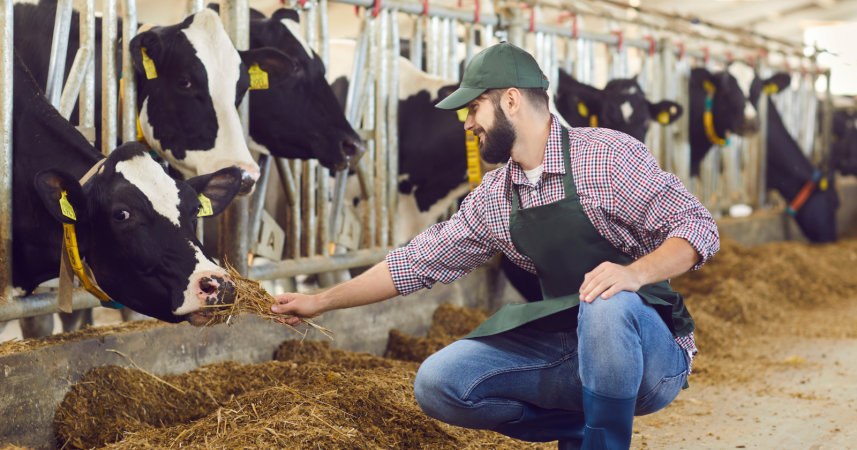
Marketers understand this deeply. They use imagery of rolling hills, red barns, and smiling farmers because these visuals trigger our idealized notions of farming from children's books.
It's strategic, and it's effective. The label becomes permission to stop asking questions.
What transparency would actually look like
Imagine if meat packaging showed footage from the actual farm and slaughterhouse where that specific product came from.
Imagine mandatory reporting of mortality rates, space per animal, and slaughter success rates. The industry fights these measures aggressively.
There's a reason ag-gag laws exist in many states, making it illegal to film inside agricultural facilities.
If "humane" operations were truly proud of their practices, they'd welcome cameras. Instead, the industry spends millions lobbying to keep consumers in the dark.
Final thoughts
The "humane meat" myth persists because it serves everyone's short-term interests. Producers get premium prices. Consumers get peace of mind. And the animals? They get slightly larger cages and the same ending.
I'm not here to tell you what to eat. But I do think we all deserve honest information to make real choices.
The next time you see a pastoral farm scene on a package, ask yourself what you actually know versus what you're being encouraged to assume.
The gap between those two things is where the industry makes its money. And it's where animals continue to pay the price for our comfortable illusions.
If You Were a Healing Herb, Which Would You Be?
Each herb holds a unique kind of magic — soothing, awakening, grounding, or clarifying.
This 9-question quiz reveals the healing plant that mirrors your energy right now and what it says about your natural rhythm.
✨ Instant results. Deeply insightful.