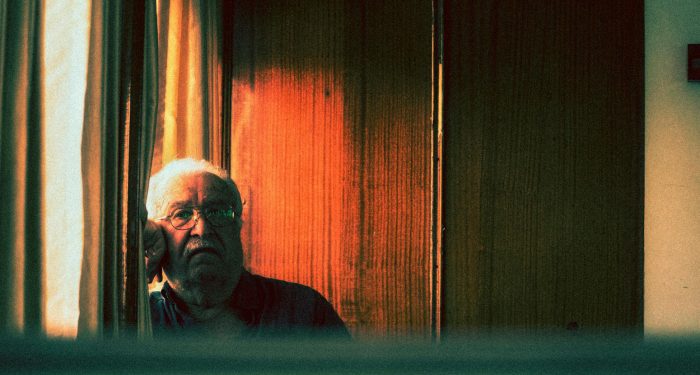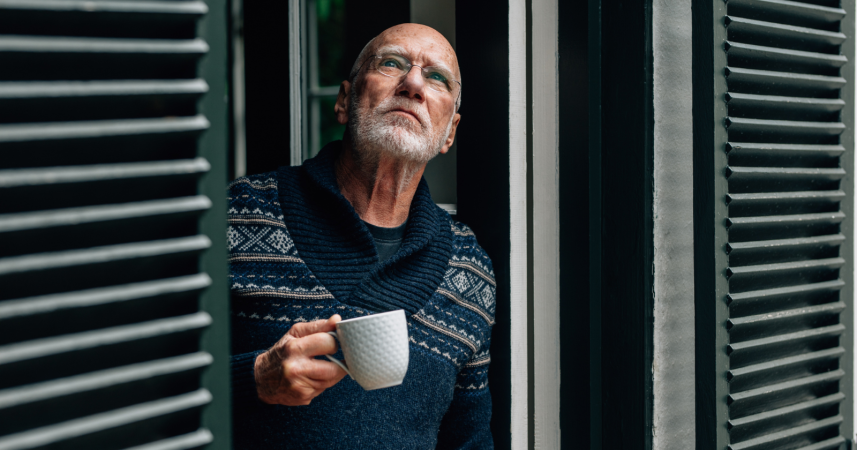
After decades of waking at 4:45 AM to grade papers before her children stirred, a retired teacher discovers that the hardest lesson of her seventies is learning to drink tea slowly without apologizing for accomplishing nothing by 7 AM.
I remember the morning I turned 35 with perfect clarity. My alarm went off at 4:45 AM, and I shot out of bed like I'd been electrocuted. Within fifteen minutes, I'd showered, dressed, and was standing in my kitchen calculating how many papers I could grade before my children woke up. I ate breakfast standing at the counter, mentally rehearsing parent-teacher conferences while packing lunches with the efficiency of a pit crew. By the time the kids stumbled downstairs at 6:30, I'd already lived half a day.
Fast forward to last week, when I woke up at 5:30 AM on a random Wednesday. I lay in bed for twenty minutes, just listening to the mourning doves outside my window. Made tea. Sat in my garden and watched the sun paint the sky pink. By 7 AM, I'd accomplished absolutely nothing measurable, and it was perfect.
What changed? Everything. And that's what nobody prepares you for.
When momentum is survival
At 35, my morning routine wasn't just a routine; it was a lifeline. As a recently divorced single mother teaching high school English, every minute before 7 AM was precious currency. I'd grade papers while my coffee brewed, answer parent emails while blow-drying my hair, and prep lesson plans while making breakfast. The kitchen table was command central, covered in sticky notes color-coded by urgency.
Do you know what it feels like to need momentum like you need oxygen? When stopping feels like drowning? That was my thirties. The mortgage wouldn't pay itself. My children needed new shoes every three months. The stack of essays about *To Kill a Mockingbird* wouldn't grade themselves, and those kids deserved my best even if I was running on three hours of sleep.
I wore my exhaustion like armor. It proved I was doing enough, being enough, earning my place in the world. When other teachers complained about being tired, I'd think, "You don't know tired until you've graded essays at 2 AM while doing laundry because your six-year-old needs his lucky shirt for show-and-tell."
The morning routine was my battle cry: I can handle this. I can handle anything. Watch me.
The weight of proving yourself
Virginia Woolf once wrote, "For most of history, Anonymous was a woman." At 35, I was determined not to be anonymous. My morning routine was my rebellion against invisibility. Every checked box on my to-do list was evidence that I mattered, that my existence was justified.
My children would eat breakfast while I stood at the counter reviewing my lesson plans one more time. "Why don't you sit with us?" my daughter asked once.
"Mommy has to get ready," I told her, not realizing I was teaching her that women don't get to rest, that our worth is measured in what we produce before breakfast.
The productivity wasn't just about survival, though that was part of it. It was about proving wrong everyone who said I couldn't do it alone. The lawyer who asked if I was sure I could handle single motherhood. The principal who suggested maybe I should take a "less demanding" teaching position. Even my well-meaning mother, who kept hinting that maybe I should move back home, let someone else carry the load for a while.
My morning routine was my daily declaration of independence. By 7 AM, I'd already won the day.
When the music stops
Then came my sixties, and with them, a series of endings I hadn't scripted. Retirement at 64 when my knees simply couldn't take another day of standing for six hours straight. My husband's diagnosis and slow decline. His death. And suddenly, at 70, I woke up one morning with nowhere to be and nothing to prove.
Have you ever had the experience of a sound stopping that you didn't realize you'd been hearing? That's what it felt like. The constant hum of necessity, of being needed, just... stopped.
I kept waking at 5:30 AM out of habit, but then I'd sit at my kitchen table, tea cooling in my hands, paralyzed by the absence of urgency. No papers to grade. No children to feed. No husband to help dress. The morning stretched before me like an accusation: What's the point of you now?
Learning to exist without apology
The shift didn't happen overnight. For months after my husband's death, I tried to manufacture meaning through busy-ness. I'd create elaborate to-do lists just to have something to check off. Reorganize closets that didn't need reorganizing. Volunteer for everything, then collapse from exhaustion and wonder why I felt so empty.
It was my friend Barbara who finally set me straight. We were having coffee, and I was apologizing for the third time about not having accomplished more that week.
"What if," she said, stirring her coffee slowly, "you're allowed to be here without earning it? What if just being you, sitting here with me, is enough?"
Revolutionary thought, right? At 70, after decades of proving my worth before sunrise, I'm finally learning that existence doesn't require justification.
The new rhythm of mornings
My morning routine now would horrify my 35-year-old self. I wake naturally around 5:30, but I don't leap up. I lie there, feeling grateful for another day, not because I have something important to do, but because I get to witness another sunrise.
I make tea and drink it slowly, actually tasting it. Earl Grey with honey, if you're wondering. I sit in my reading chair and watch the birds at my feeder. I can identify most of them by their songs now, a completely "unproductive" skill that brings me ridiculous joy.
By 7 AM, I might be in my garden, but not racing against time. I deadhead roses while thinking about absolutely nothing important. Sometimes I talk to the plants. Sometimes they talk back, though that might just be the neighbor's cat hiding in the bushes.
I write, but not lesson plans or to-do lists. Yesterday I spent an hour describing the way morning light moves across my kitchen floor. Who will read it? Nobody. Does it matter? Not even a little bit.
What nobody tells you about purpose
Here's the truth nobody shares: the purpose that drives you at 35 would suffocate you at 70, and the peace that sustains you at 70 would have terrified you at 35. Both are exactly right for their time.
At 35, building momentum wasn't just about survival; it was about creation. Creating security for my children. Creating a career that mattered. Creating proof that a divorced single mother could thrive, not just survive. Every morning routine task was a brick in the foundation of the life I was building.
But at 70? I've already built what needed building. My children are grown, successful, kind humans raising their own families. Thousands of students have passed through my classroom, some now teaching their own classes. The garden I planted in my forties blooms without my constant vigilance.
Now my purpose is simpler: to be present. To notice. To exist without apology or justification. To show my grandchildren that there's value in stillness, something I couldn't teach my own children because I didn't know it myself.
Final thoughts
Last weekend, my granddaughter stayed over. She's 22, the same age I was when I first got married. She was up at 5 AM, laptop open, working on some presentation while making breakfast.
"Grandma, how do you just... sit there?" she asked, finding me in the garden with my tea, doing absolutely nothing productive.
I wanted to tell her that someday she'll understand, that the morning routine she needs now isn't the one she'll need at my age. But you can't fast-forward wisdom. You have to live your way into it, one morning at a time.
So instead, I just patted the bench beside me and said, "Come sit for a minute. The presentation will wait."
She didn't, of course. She had too much momentum to stop. And that's exactly as it should be.
If You Were a Healing Herb, Which Would You Be?
Each herb holds a unique kind of magic — soothing, awakening, grounding, or clarifying.
This 9-question quiz reveals the healing plant that mirrors your energy right now and what it says about your natural rhythm.
✨ Instant results. Deeply insightful.
Marlene Martin
Marlene Martin is a retired high school English teacher who spent 38 years in the classroom before discovering plant-based eating in her late sixties. When her daughter first introduced her to the idea of removing animal products from her diet, Marlene was skeptical. But curiosity won out over habit, and what started as a reluctant experiment became a genuine transformation in how she thinks about food, health, and aging.
At VegOut, Marlene writes about nutrition, wellness, and the experience of embracing new ways of eating later in life. She brings a teacher’s instinct for clarity and patience to topics that can feel overwhelming, especially for readers who are just beginning to explore plant-based living. Her writing is informed by personal experience, careful research, and a belief that it is never too late to change.
Marlene lives in Portland, Oregon, where she spends her mornings reading research papers, her afternoons tending a modest vegetable garden, and her evenings knitting while listening to audiobooks. She has three adult children and two grandchildren who keep her honest about staying current.
More Articles by Marlene