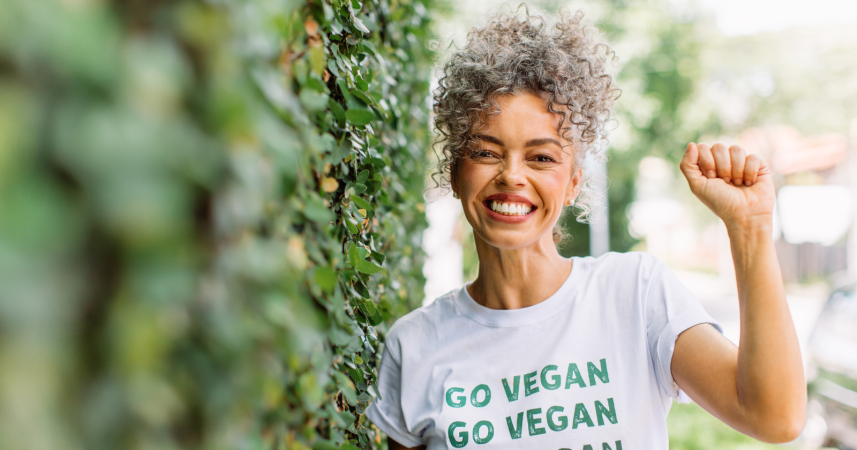
The vegan movement has evolved beyond graphic protests, and the data shows some surprising winners and losers in the fight for hearts and minds.

Add VegOut to your Google News feed. 
Vegan activism has come a long way from the days of throwing red paint on fur coats.
The movement has splintered into dozens of approaches, from TikTok influencers making plant-based cooking look effortless to corporate campaigns pressuring fast food chains.
Some of these strategies are genuinely moving the needle. Others might actually be pushing people away.
I've been watching this evolution for years, and the behavioral science nerd in me finds it fascinating. What actually convinces someone to change deeply ingrained habits?
Turns out, the answer is more nuanced than most activists want to admit. Let's break down what the research and real-world results tell us about modern vegan advocacy.
The rise of the positive approach
Remember when vegan activism meant showing people slaughterhouse footage until they cried? That era isn't completely over, but there's been a major shift toward what researchers call "positive framing."
Instead of leading with suffering, many advocates now lead with delicious food, health benefits, and environmental wins.
The results speak for themselves. Campaigns like Veganuary have exploded in popularity, with over 700,000 people signing up in 2024 alone.
The secret sauce? They make it feel like a fun challenge rather than a moral obligation. You're not being told you're a bad person. You're being invited to try something new for a month. That psychological reframing matters more than most people realize.
Why shame-based tactics backfire
Here's where it gets uncomfortable for some longtime activists.
Research in social psychology consistently shows that shame-based messaging often triggers defensive reactions rather than behavior change.
When people feel attacked, they dig in. They find reasons to dismiss the messenger rather than consider the message.
This doesn't mean we should never discuss animal suffering or environmental destruction. It means how we discuss it matters enormously.
Conversations that feel like judgment tend to close minds. Conversations that feel like genuine sharing tend to open them. The difference often comes down to tone, timing, and whether the person feels respected or lectured.
Corporate campaigns are quietly winning
While street protests grab headlines, some of the most effective vegan activism happens in boardrooms and shareholder meetings.
Organizations like The Humane League and Mercy For Animals have secured hundreds of corporate commitments to cage-free eggs and plant-based menu options. These wins might seem incremental, but they affect millions of animals.
The strategy is smart. Instead of trying to convert individuals one by one, these groups change the default options available to everyone.
When a major fast food chain adds a plant-based burger, it normalizes vegan eating for people who would never attend a protest or watch a documentary. It's activism that meets people where they already are.
The influencer effect cuts both ways
Social media has created a new breed of vegan advocate. Some of these creators are genuinely effective, showing that plant-based eating can be accessible, affordable, and delicious.
They're reaching audiences that traditional activism never could, especially younger demographics who discover veganism through cooking videos rather than pamphlets.
But there's a shadow side. The wellness influencer space has also produced some spectacularly bad ambassadors for the movement.
Every time a high-profile vegan publicly "quits" veganism or promotes pseudoscience, it creates ammunition for critics.
The lack of quality control in influencer culture means the movement's public face is essentially random. That's a real vulnerability.
What the data says about documentaries
Films like "Dominion" and "What the Health" have introduced millions of people to vegan ideas. But do they actually create lasting change?
The research is mixed. Studies on dietary change suggest that emotional appeals can trigger initial interest, but sustained behavior change requires practical support and community.
The most effective documentary campaigns pair the film with follow-up resources. A 22-day challenge, a recipe guide, a local meetup group.
Without that infrastructure, the emotional impact fades and old habits return. The documentary itself is just the spark. What happens next determines whether that spark becomes a lasting flame.
Final thoughts
Modern vegan activism is essentially running thousands of simultaneous experiments.
Some approaches work brilliantly with certain audiences and fail completely with others. The activists who seem most effective are the ones who understand this complexity and adapt accordingly.
If there's one takeaway from looking at what's working, it's this: meeting people with respect and practical support beats moral superiority every time.
The goal isn't to win arguments. It's to create a world where choosing plants is easy, appealing, and normal. The tactics that move us toward that world are the ones worth doubling down on.
Everything else is just noise that makes us feel righteous while potentially slowing real progress.
What’s Your Plant-Powered Archetype?
Ever wonder what your everyday habits say about your deeper purpose—and how they ripple out to impact the planet?
This 90-second quiz reveals the plant-powered role you’re here to play, and the tiny shift that makes it even more powerful.
12 fun questions. Instant results. Surprisingly accurate.