After decades of being everyone's anchor—single mother, devoted teacher, caregiver to a dying husband—I discovered the terrifying freedom of a life where nobody needs me anymore, and I've never learned how to want anything just for myself.
Last Thursday morning, I sat in my favorite chair with my journal and realized something that terrified me: I couldn't name a single thing I was looking forward to. Not one. The pen hovered over the blank page as I searched my mind for something, anything, that sparked anticipation or joy. The sunrise was painting the sky pink through my sunroom window, my tea was perfectly steeped, and yet I felt completely untethered from my own life.
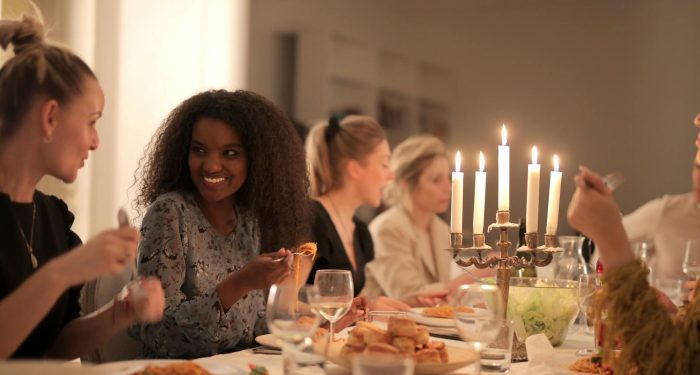
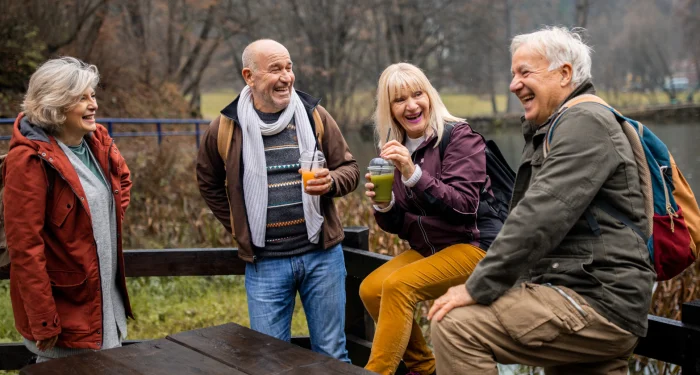
It wasn't that nothing good was happening. My calendar was full. I had my watercolor class, my hiking group, Friday supper club with friends. My garden was thriving, the tomatoes coming in beautifully. My grandchildren called regularly, my health was holding steady despite the replaced knees, and after years of careful saving during my teaching career, money wasn't a worry. By any measure, I was living what people call "a good life."
But sitting there with that blank journal page, I understood what had happened. I'd spent decades defining myself entirely by who needed me, and now, at 70, nobody really needed me anymore.
The architecture of being needed
When my first husband left, our children were two and five. I became their everything overnight, the sole provider, protector, and source of stability in their suddenly fractured world. Being needed wasn't a choice then; it was survival. Every morning had purpose because two small humans required breakfast, lunch money, help with homework, someone to check for monsters under the bed.
Then came my students. Thirty-two years of teenagers who needed someone to see past their eye rolls and sullenness to the scared kids underneath. They needed someone who wouldn't give up when they turned in assignments late, who'd stay after school to explain the same concept five different ways until it clicked. Being needed by them felt like a calling, like the universe had handed me exactly the right work at exactly the right time.
After retirement, I thought I was done with that intense caregiving. Then came my second husband, and for twenty-five beautiful years, we had what I thought would be our golden chapter together. When Parkinson's began stealing pieces of him, I became his hands when his trembled too much, his memory when the disease clouded his mind. Even in illness, even in loss, being needed gave structure to my days.
Have you ever noticed how being indispensable becomes addictive? After my husband died two years ago, I immediately filled that void. The women's shelter needed someone to help with resume writing. The library board needed my experience. My grandchildren needed rides, help with college essays, someone to teach them family recipes. I scheduled my weeks around other people's needs like I was still punching a time clock.
When the music stops
But children grow up twice. First when your own become adults who can manage their lives without your constant intervention, then again when your grandchildren stop needing supervision. My oldest granddaughter is 22 now, building her career and in love with someone who makes her laugh. The youngest just turned eight, perfectly capable of tying her own shoes and choosing her own library books.
Last week, my granddaughter casually mentioned she was too busy for our regular coffee date. "That's fine, sweetheart," I heard myself say, even as I looked at my calendar where our Tuesdays were written in pen, immovable anchors in my week. She's starting her adult life. She might not be free for coffee for a very long time.
The women's shelter recently got a new volunteer coordinator who suggested, with painful gentleness, that I might enjoy "taking a well-deserved break." The library board continues their meetings whether I attend or not. Even my hiking group, while they'd miss me if I stopped showing up, would keep hiking the same trails without me.
The foreign language of wanting
What do you do when you're 70 and suddenly realize you've never learned to want something purely for yourself? The word feels strange in my mouth, almost shameful. Virginia Woolf wrote about women needing rooms of their own, but what happens when you finally have that room and don't know what to do in it?
I think about my mother at this age. She knew how to exist for herself in ways I never learned. She'd spend entire afternoons working as a seamstress, not because anyone needed the clothes but because she wanted to create them. She read romance novels without apologizing, took long baths in the middle of the afternoon, spent hours on the phone with her sisters discussing nothing of importance. I thought she was selfish then. Now I wonder if she was just free.
In my widow's support group, we talk about this feeling. Martha calls it "the empty nest of the soul." We were taught that a woman's value lived in her giving, and we gave until giving became our only language. We don't know how to form sentences that begin with "I want" instead of "They need."
Learning to be unnecessary
My therapist once told me that people-pleasing was my armor. Being needed meant being valued, being valuable meant being worthy of love. When you're the youngest of four sisters, when your first husband abandons you with two toddlers, when the world keeps measuring your worth by your usefulness to others, you learn to make yourself necessary for survival.
But what happens when necessity runs out?
I watch the cardinal outside my window every morning. He sings because that's what cardinals do, not because anyone needs to hear him. He doesn't wake up wondering who requires his song today. He just sings because the sun is up and he's alive and that's reason enough.
Sometimes I remember my colleague who retired the same year I did. She immediately booked a solo cruise to Alaska, something she'd always dreamed about. She sent postcards of glaciers and whales, her handwriting loopy with excitement. The idea of doing something so purely for personal joy felt foreign to me. Even my Italian classes were partially justified by the thought that someday I'd take my grandchildren to Italy.
The uncomfortable truth about fullness
Here's what nobody tells you: you can have a full life and still feel empty when your defining purpose disappears. You can be surrounded by friends, family, hobbies, good health, financial security, and still wake up feeling untethered when nobody needs you to show up.
My daughter gently calls it my "martyr complex." She watched me sacrifice for years, watched me put myself last so consistently that last became my permanent address. She's doing things differently with her own children, modeling self-care and boundaries in ways I never could. I'm proud of her for breaking the cycle, even as I sit here at 70, unable to break my own.
The journal page stays blank most mornings now. Not because I have nothing to be grateful for, but because gratitude and anticipation have become different things. I'm grateful for my life, for all the good still in it. But anticipation? That requires wanting something for tomorrow, and I'm still learning what that means when tomorrow isn't organized around someone else's needs.
Final thoughts
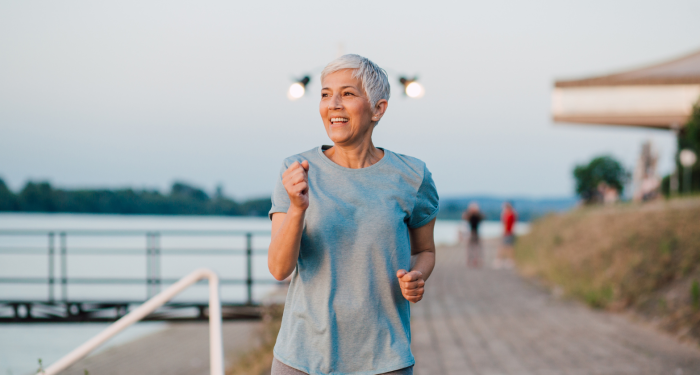
Maybe the lesson at 70 isn't how to be needed again, but how to exist without the needing. How to wake up looking forward to the day simply because it's mine. How to tend my garden because I want to watch the flowers bloom, not because anyone needs fresh vegetables. How to take my evening walk because my body still can and the sky is often beautiful at dusk.
I'm not there yet. Right now, I'm just a woman who woke up last Thursday unable to name what she was looking forward to. But maybe learning to want comes after learning to just be. Maybe at 70, I'm finally old enough to stop needing to be needed and still young enough to learn something new. Or maybe I'll just make fresh tea, open my journal again tomorrow, and see what happens when I let the page stay blank a little longer.
What’s Your Plant-Powered Archetype?
Ever wonder what your everyday habits say about your deeper purpose—and how they ripple out to impact the planet?
This 90-second quiz reveals the plant-powered role you’re here to play, and the tiny shift that makes it even more powerful.
12 fun questions. Instant results. Surprisingly accurate.