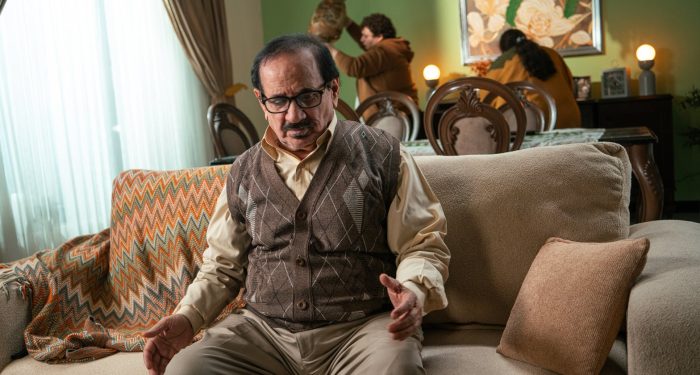
From navigating three-fork dinners to discovering why my in-laws drive a decade-old Volvo while vacationing three months a year, marrying into wealth revealed a hidden rulebook I never knew existed.
Growing up, my idea of fine dining was the local steakhouse where we'd go for special occasions. You know the kind—dimmed lights, oversized portions, and a dessert menu that came on a laminated card.
Fast forward fifteen years, and I'm sitting at my in-laws' dining table, watching my wife effortlessly navigate a table setting that looked like a geometry exam. Three forks. Two spoons. Glasses I couldn't name. And everyone acting like this was just Tuesday dinner.
The thing about marrying into old money when you come from a working-class background? Nobody hands you a manual. My parents were teachers who believed rich people were fundamentally different from us. Turns out they were wrong about that, but right about one thing: wealthy families do play by different rules.
After a decade in luxury hospitality, serving ultra-wealthy families at high-end resorts and organizing charity galas, I thought I understood their world. I was wrong. Working for them and becoming one of them? Completely different games.
Here are the unspoken rules I had to learn the hard way.
1. Never talk about money directly
Remember that scene in Fight Club? First rule of old money is you don't talk about money.
Growing up, money was a constant topic. How much things cost, who got a raise, whether we could afford something. It was practical, not shameful. But in my wife's family? Discussing actual numbers is considered vulgar.
They'll talk about "investments" or "opportunities" but never "how much." They'll mention they're "comfortable" but never wealthy. When someone asks what they do, they give vague answers about "consulting" or "managing family interests."
The wildest part? They genuinely find direct money talk uncomfortable. It's not pretense. After years of security, money becomes background noise, like assuming there's oxygen in the room.
I learned this after enthusiastically sharing that I'd negotiated a great deal on our new car. The silence was deafening.
2. Quality over quantity becomes second nature
My closet used to be stuffed with clothes from discount retailers. Twenty t-shirts, fifteen pairs of jeans, shoes for every possible occasion. My father-in-law? The man owns four pairs of shoes. But those shoes will outlast him.
This isn't about showing off. It's about the mental space that comes from not thinking about stuff. One perfect cashmere sweater beats ten acrylic ones. Not because it's expensive, but because it works every time you need it.
Working in luxury hospitality taught me to recognize quality, but living with old money taught me why it matters. When you're not worried about replacing things, you stop accumulating them.
The shift hit me when I realized I'd stopped browsing. No more scrolling through deals or filling carts with maybes. You buy once, buy right, and move on with your life.
3. Time is the only real currency
Want to know the biggest difference between new money and old money? New money buys things. Old money buys time.
They'll pay someone to wait in line. They'll hire someone to research the best schools. They'll throw money at any problem that can save them hours. Because unlike money, time doesn't compound. You can't inherit more of it.
This completely changed how I view convenience. That grocery delivery fee I used to think was wasteful? It's an hour of my life back. The house cleaner? Three hours every week I can spend writing or with family.
During my hospitality days, I watched wealthy clients pay astronomical amounts to save mere minutes. I thought they were crazy. Now I get it. Panic costs more than patience, but time costs more than both.
4. Networking isn't transactional
At my first country club event, I showed up with business cards. Nobody asked for one.
Old money networks differently. They build relationships over decades, not deals. They'll introduce you to someone who might help your kid get an internship ten years from now. They'll remember your interest in sailing and mention it to their friend with the yacht.
But here's what they won't do: ask for immediate returns.
The most powerful connections I've made through my wife's family came from conversations about books, travel, shared interests. Business came later, sometimes years later, and always naturally.
They play a long game that requires patience most of us never develop. Because when you're not desperate for this month's rent, you can afford to plant seeds that won't bloom for years.
5. Experiences trump possessions
My in-laws drive a ten-year-old Volvo but spend three months a year traveling. They'll wear the same blazer to every event but drop serious money on concert tickets.
This puzzled me at first. Where I'm from, you show success through things people can see. New car, big TV, latest phone.
But old money? They collect moments, not monuments.
They know possessions depreciate, but that sunset dinner in Santorini appreciates every time you remember it. The story about swimming with sharks in South Africa gets better with each telling.
After organizing countless high-profile dinners for elite clients, I noticed something: they never talked about their cars. But they could spend hours discussing their trip to Antarctica.
6. Privacy is paramount
Social media might as well not exist in my wife's family. They have accounts, sure, but they're ghost towns. A profile picture from five years ago. Maybe a birthday post.
This isn't tech aversion. They understand social media fine. They just value privacy more than publicity.
Growing up, we celebrated everything publicly. Got a promotion? Facebook post. Kid made honor roll? Everyone needs to know. But old money operates on the opposite principle: the less people know about your life, the better.
They teach their kids this from birth. Don't tell people where you're going on vacation until you're back. Don't mention family business. Don't give people ammunition for gossip or, worse, leverage.
7. Education is everything, but not how you think
Yes, they obsess over schools. But not for the reasons you'd expect.
It's not about the prestige or the diploma. It's about the network and the experience. They'll pay for private school not because it guarantees success, but because it guarantees exposure. To ideas, to people, to ways of thinking.
My parents valued education too, but as a ladder. Get good grades, get into good college, get good job. Linear. Practical.
Old money sees education as a web. Learn this because it connects to that. Study abroad because perspective matters more than grades. Take the unpaid internship at the interesting place over the paid one at the boring place.
8. Understated always wins
Finally, the rule that took me longest to learn: the less you try to prove, the more people believe.
No logos. No flashy anything. The wealthiest person at the party is usually the one you'd never notice. They're wearing a beautiful watch, but you'd have to know watches to know it's valuable.
They whisper where new money shouts. They suggest where others insist. They've got nothing to prove because they've never had to prove anything.
I learned this serving ultra-wealthy families. The ones who demanded special treatment were usually one generation from broke. The ones who'd been rich forever? They'd wait patiently like everyone else.
Final thoughts
Here's what nobody tells you about marrying into old money: the hardest part isn't learning which fork to use. It's unlearning the survival mechanisms that got you where you are.
That hustle that saved you? It looks desperate now. That bargain hunting skill? Unnecessary. That need to maximize every opportunity? Exhausting.
But here's what I've kept from my working-class roots: the appreciation. Every comfortable night, every easy decision, every door that opens without pushing. I notice it all because I remember when none of it existed.
My wife's family takes their ease for granted. I never will. And maybe that's the real gift of straddling both worlds. You get the comfort without the complacency.
The rules might be unspoken, but once you learn them, you realize they're not about money at all. They're about time, privacy, quality, and the radical idea that when you have enough, you can stop trying to get more.
If You Were a Healing Herb, Which Would You Be?
Each herb holds a unique kind of magic — soothing, awakening, grounding, or clarifying.
This 9-question quiz reveals the healing plant that mirrors your energy right now and what it says about your natural rhythm.
✨ Instant results. Deeply insightful.

Adam Kelton
Adam Kelton is a writer and culinary professional with deep experience in luxury food and beverage. He began his career in fine-dining restaurants and boutique hotels, training under seasoned chefs and learning classical European technique, menu development, and service precision. He later managed small kitchen teams, coordinated wine programs, and designed seasonal tasting menus that balanced creativity with consistency.
After more than a decade in hospitality, Adam transitioned into private-chef work and food consulting. His clients have included executives, wellness retreats, and lifestyle brands looking to develop flavor-forward, plant-focused menus. He has also advised on recipe testing, product launches, and brand storytelling for food and beverage startups.
At VegOut, Adam brings this experience to his writing on personal development, entrepreneurship, relationships, and food culture. He connects lessons from the kitchen with principles of growth, discipline, and self-mastery.
Outside of work, Adam enjoys strength training, exploring food scenes around the world, and reading nonfiction about psychology, leadership, and creativity. He believes that excellence in cooking and in life comes from attention to detail, curiosity, and consistent practice.
More Articles by Adam