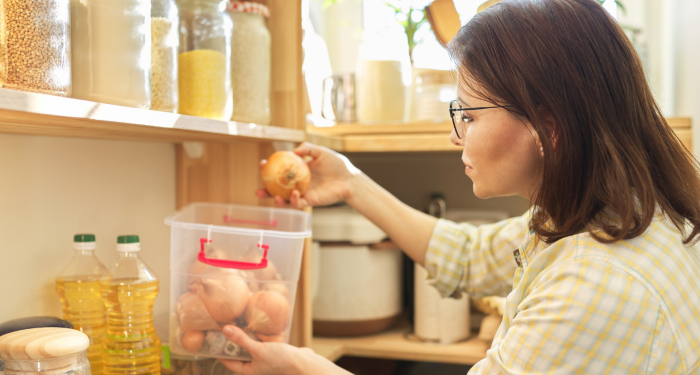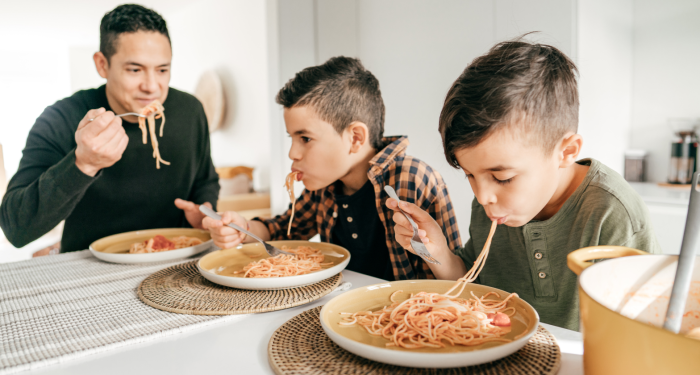
The real challenges of vegan dating have nothing to do with finding restaurants and everything to do with navigating identity, connection, and the occasional awkward dinner conversation.
You've probably heard the jokes. Vegan walks into a bar, tells everyone they're vegan within five minutes. Ha ha.
But when you're actually trying to build romantic connections as a plant-based person, the reality is way more nuanced than the memes suggest.
The obvious stuff gets covered everywhere. Yes, you'll need to scout menus. Yes, some people will have opinions about your food choices. But the deeper challenges? The emotional dynamics that actually make or break relationships?
Those rarely get discussed. Dating as a vegan touches on identity, values, communication styles, and how we handle difference. It forces conversations most couples avoid for years. And honestly, that can be a gift or a minefield, depending on how you approach it.
Here's what I wish someone had told me before I started navigating the modern dating scene as a plant-based person.
1. Your veganism will become a filter, whether you want it to or not
Here's the thing about putting "vegan" in your dating profile or mentioning it early on. It automatically sorts people. Some will swipe left immediately. Others will be curious. A few will be actively into it. You might feel weird about this filtering effect, like you're being exclusionary or limiting your options.
But behavioral science actually supports being upfront about core values. Research on relationship formation shows that value alignment predicts long-term compatibility better than surface-level attraction.
Your veganism represents something about how you see the world. Letting it filter early saves everyone time. The people who stick around are already okay with this part of you. That's not a bug. That's a feature.
2. You'll have to decide how much flexibility you actually have
This one catches people off guard. Before you start dating seriously, you need to get honest with yourself about your boundaries. Could you date someone who eats meat? What about someone who hunts? Would you share a refrigerator with animal products? Could you cook separate meals long-term?
There's no right answer here. Some vegans are totally fine partnering with omnivores. Others know they need someone who shares their lifestyle completely. Both positions are valid. But figuring out where you stand before you're emotionally invested saves a lot of heartache.
I've watched friends fall hard for people, then realize six months in that they can't handle watching their partner eat bacon every Sunday. Know your lines. Communicate them clearly. Flexibility isn't weakness, but neither is having firm boundaries.
3. The "why" conversation will happen repeatedly
Get comfortable explaining your reasons. Not defensively. Not as a lecture. Just as someone sharing something important about themselves. Because you'll have this conversation with every new person, their friends, their family, and probably their coworkers at some point.
The trick is keeping it personal rather than preachy. "I watched a documentary that changed how I think about food" lands differently than "The meat industry is destroying the planet."
Both might be true. But one invites conversation while the other triggers defensiveness. Studies on persuasion and social identity show that personal narratives create connection where facts create resistance. Save the statistics for people who ask follow-up questions.
4. Food will become more emotionally loaded than you expect
Sharing meals is intimate. It's one of the oldest forms of human bonding. When your food choices differ significantly from your partner's, meals can start feeling like negotiations instead of connections. This sneaks up on couples.
Maybe you feel judged when they order steak. Maybe they feel judged when you visibly react. Neither of you is wrong for having feelings about it. But you'll need to actively work on separating food from love. Cooking together, finding restaurants you both enjoy, celebrating the meals that do work.
These become relationship maintenance tasks. It sounds unromantic, but couples who acknowledge this dynamic early handle it better than those who pretend it doesn't exist.
5. You might feel lonely in ways that surprise you
Even in a great relationship with a supportive non-vegan partner, there can be moments of isolation. They don't fully get why you teared up at that animal sanctuary. They can't share your excitement about a new vegan cheese that actually melts right. These are small things. But small things accumulate.
This is why community matters so much. Having vegan friends, online groups, or local meetups gives you space to be fully understood in ways your partner might not be able to provide. And that's okay.
No single person can meet all our needs. Expecting your romantic partner to completely understand every aspect of your identity puts unfair pressure on the relationship. Build your village. Let your partner be part of it without being all of it.
6. Their willingness to try matters more than their current diet
I've seen relationships thrive between vegans and committed carnivores. I've also seen them crash between vegans and vegetarians. The difference usually comes down to curiosity and respect. Does your partner show genuine interest in your world? Will they try the vegan restaurant you've been wanting to visit? Do they defend your choices to skeptical family members?
Someone who eats meat but enthusiastically explores plant-based cooking with you is often a better match than someone who's technically vegetarian but rolls their eyes at your activism. Actions reveal values.
Watch how they engage with this part of your life. Their current diet can change. Their fundamental respect for your choices probably won't.
7. It can actually accelerate intimacy in unexpected ways
Here's the upside nobody mentions. Being vegan forces early conversations about values, ethics, lifestyle compatibility, and long-term vision. Most couples avoid these topics for months or years. You're having them on date three because someone asked about the menu.
This accelerated honesty can fast-track genuine connection. You learn quickly whether someone can handle difference with grace. You discover their communication style under mild pressure. You see how they treat beliefs they don't share. These are exactly the things that matter for long-term compatibility.
Your veganism becomes a relationship stress test that happens early, when the stakes are low. The people who pass it are often exceptional partners.
Final thoughts
Dating as a vegan has real challenges. But most of them aren't about food logistics.
They're about identity, communication, and finding someone who respects the full package of who you are. The good news is that these skills transfer. Learning to discuss your veganism with openness and without defensiveness makes you better at discussing everything else too.
My partner isn't vegan. When we first started dating five years ago, I wasn't sure it could work. But their curiosity, their willingness to learn my world, and their genuine respect for my choices mattered more than their personal diet ever could.
We've built something real by treating our differences as opportunities for growth rather than obstacles to overcome.
Your veganism isn't a dating liability. It's a values clarifier. Use it that way. The right person won't just tolerate this part of you. They'll appreciate what it reveals about your character. And that's the kind of foundation worth building on.
If You Were a Healing Herb, Which Would You Be?
Each herb holds a unique kind of magic — soothing, awakening, grounding, or clarifying.
This 9-question quiz reveals the healing plant that mirrors your energy right now and what it says about your natural rhythm.
✨ Instant results. Deeply insightful.